
The complete guide
A Buyer's Guide to Honey Bee Cotton Fat Quarters
A small project should not need a large fabric purchase
Choosing fabric for patchwork can take longer than the sewing itself. You might need several prints, yet only a small amount of each. Buying a separate length for every block can leave you with more fabric than your project needs.
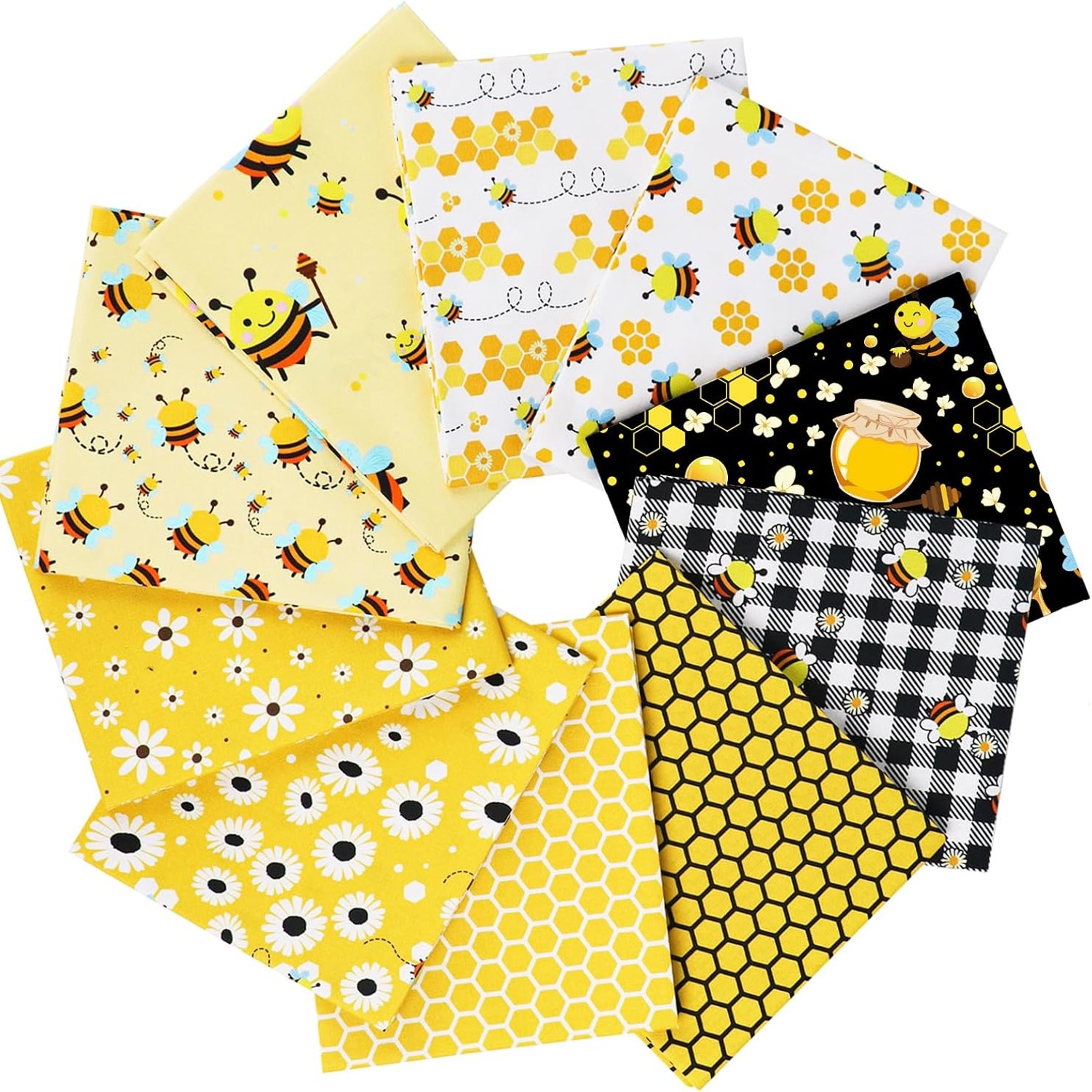
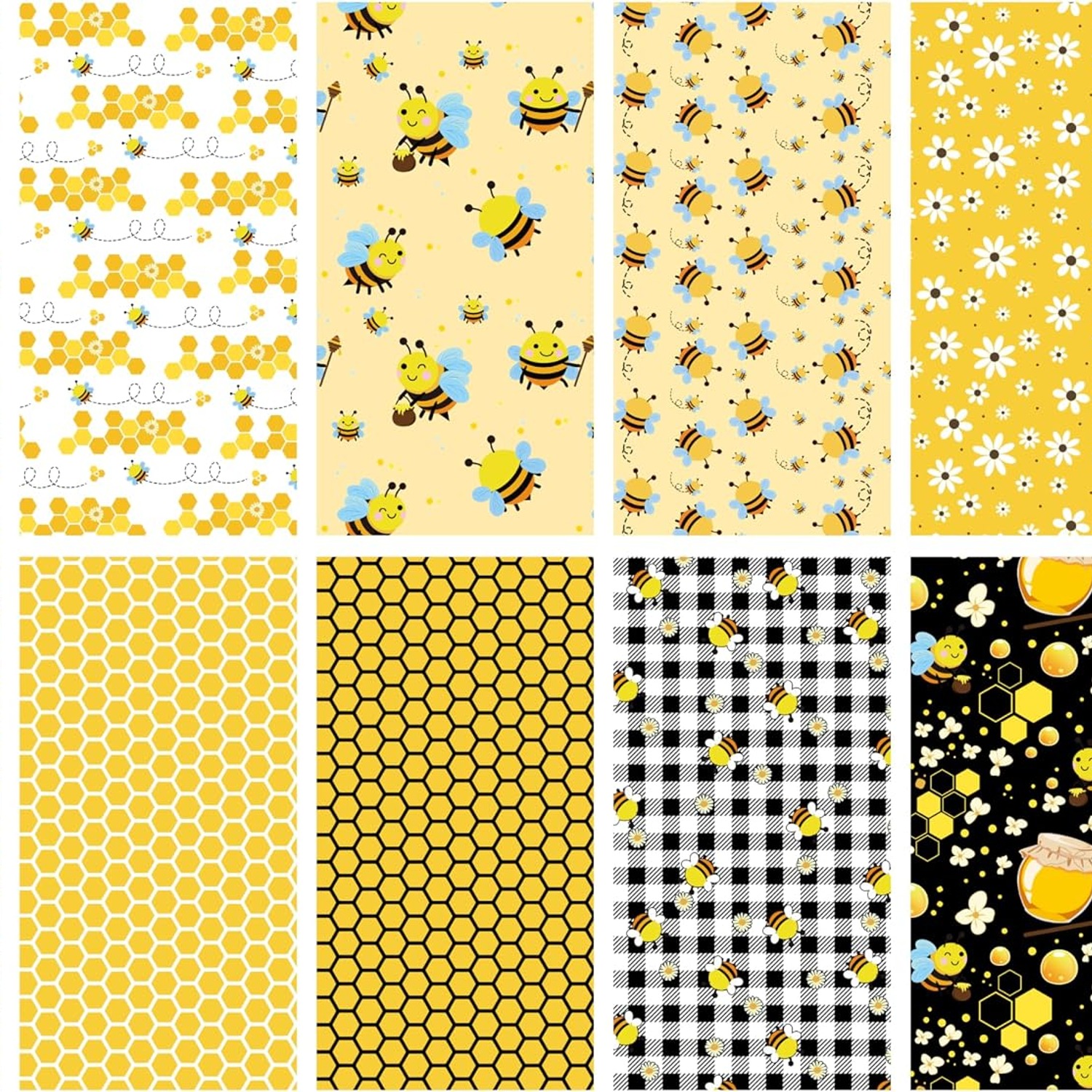
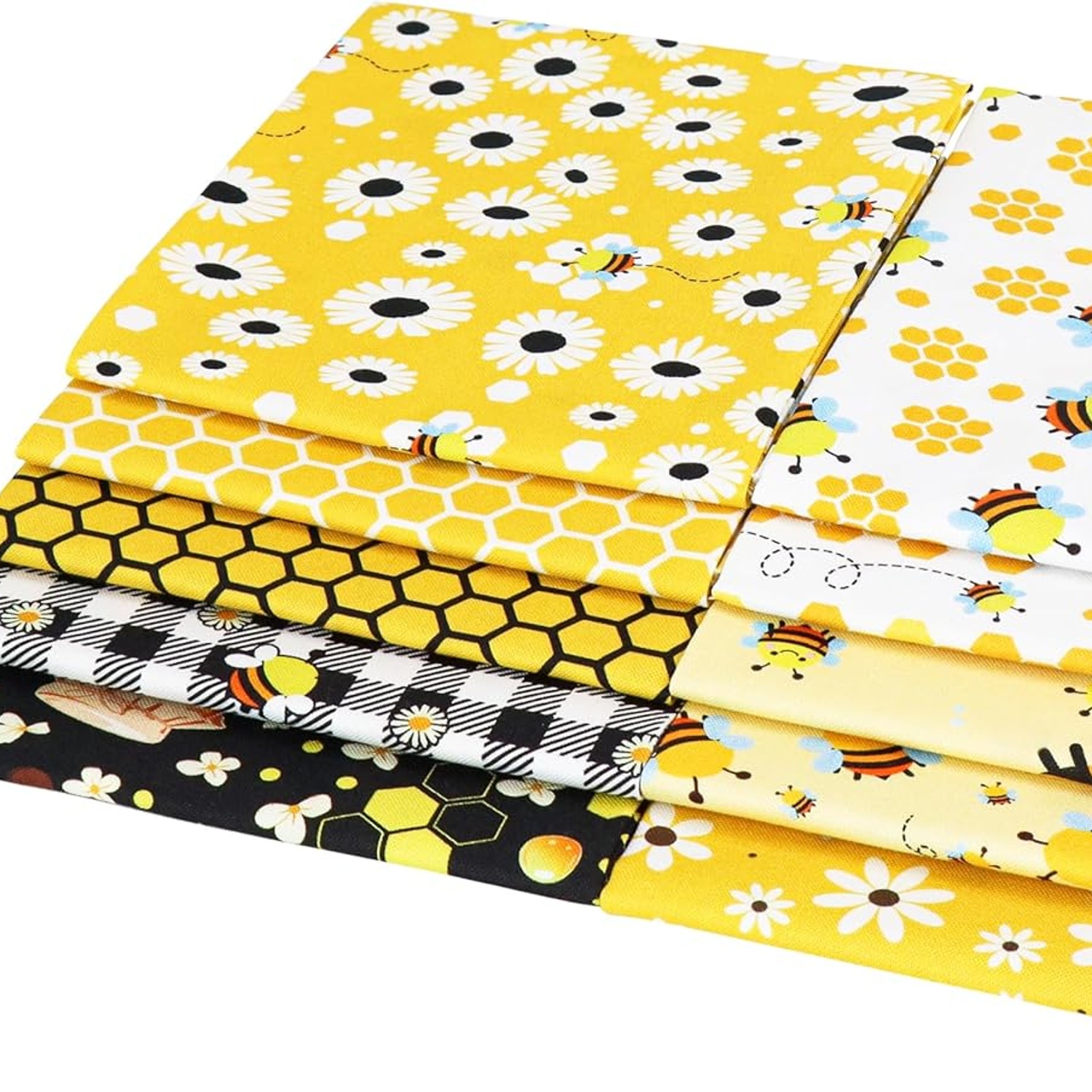
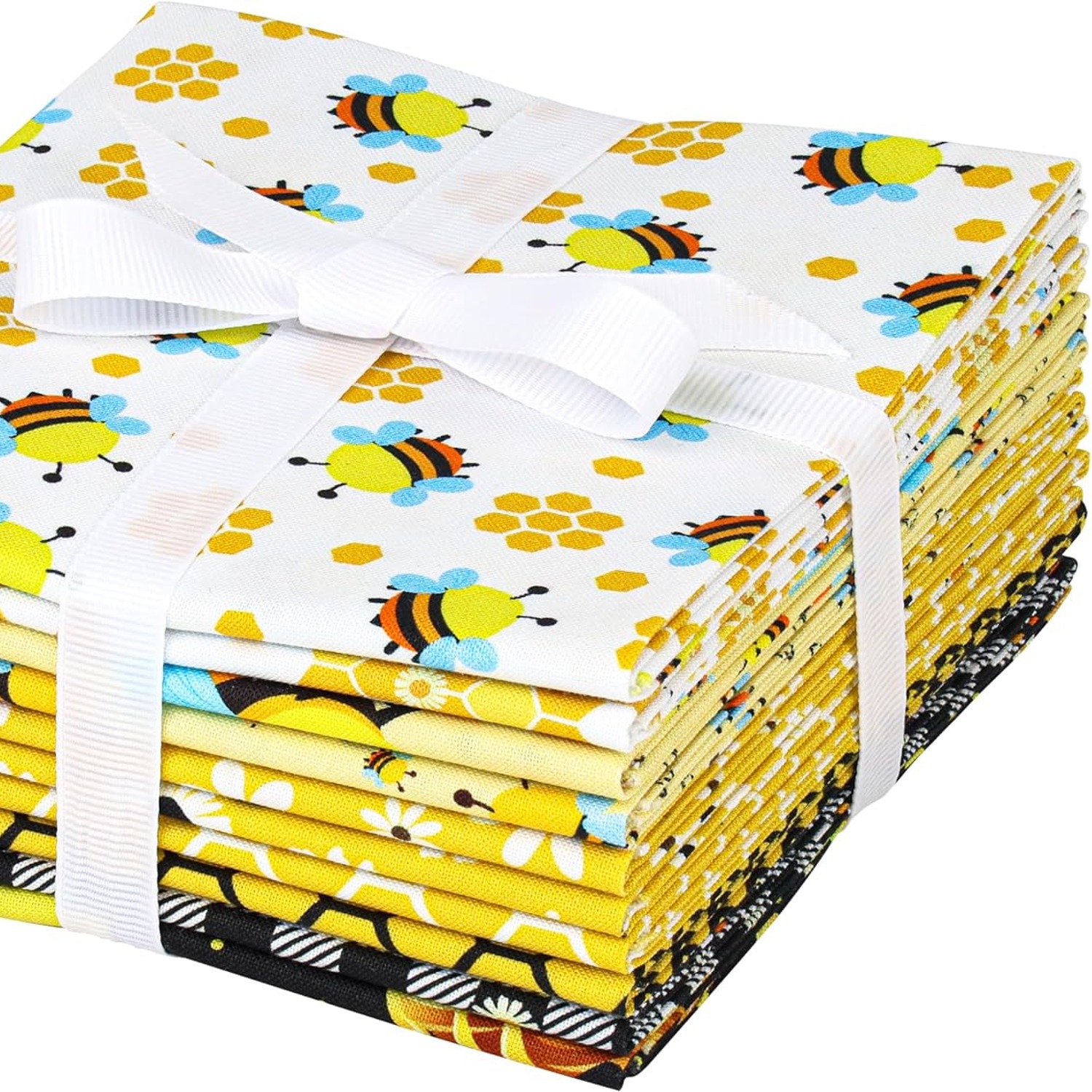
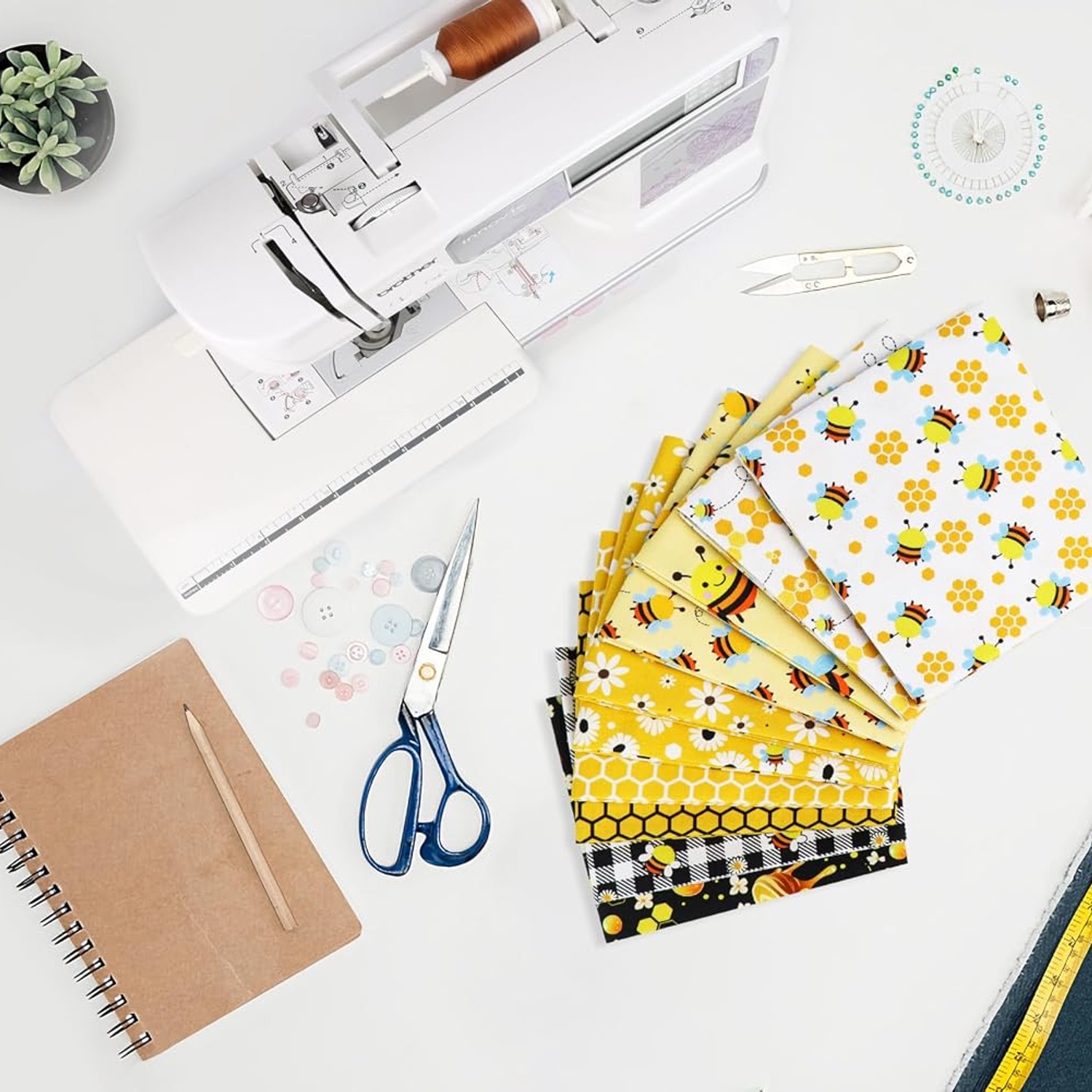
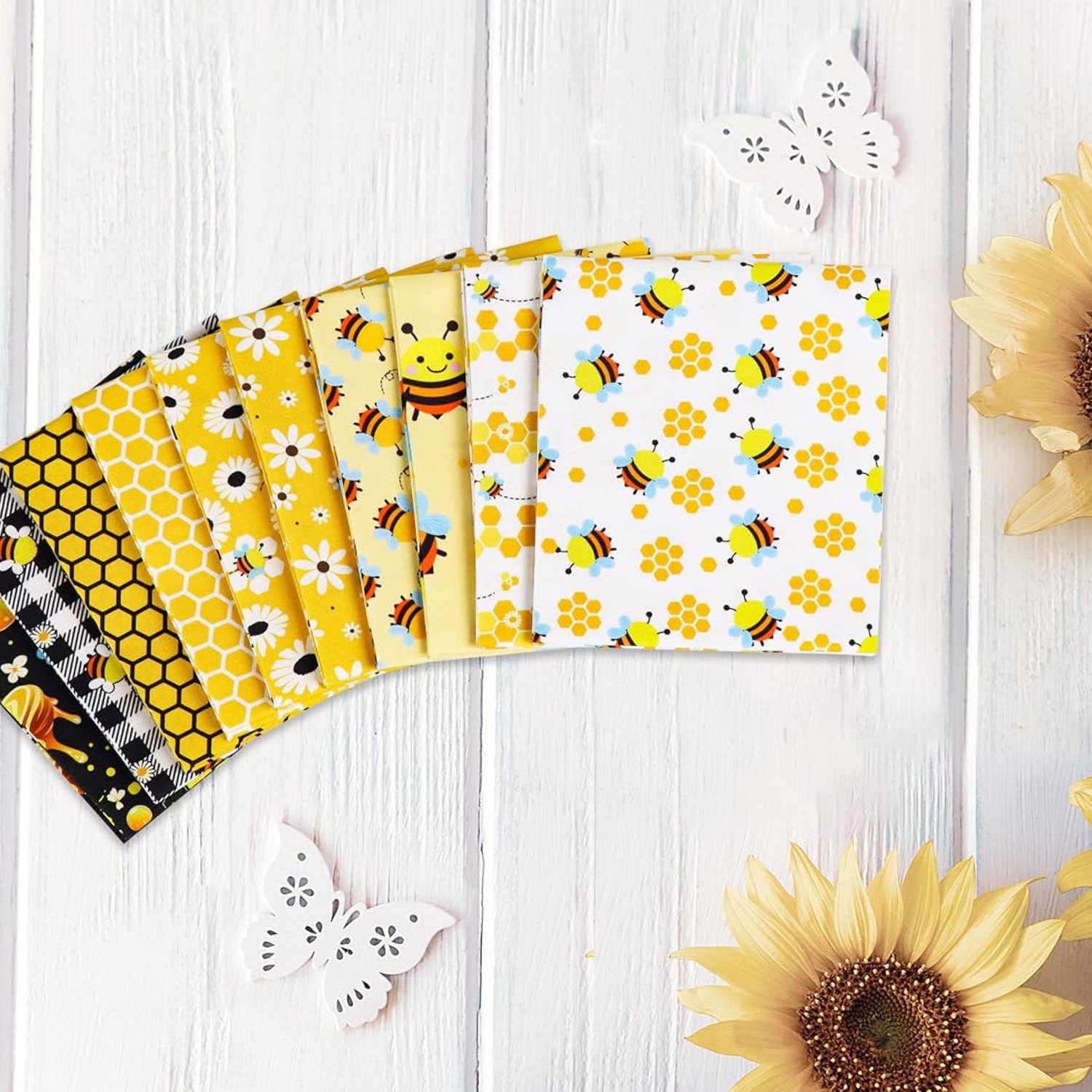
A fat quarter bundle offers a different starting point. This pack contains ten printed cotton pieces in a honey bee design range, with one piece of each design. You can lay them out together and decide where each print belongs before reaching for your scissors.
The format is most useful when your project needs several smaller sections rather than one large, unbroken piece. Think of a patchwork panel, a small bag or a set of fabric decorations. The right choice still depends on your pattern, especially its cutting sizes and seam allowances.
What you receive in this bundle
The bundle is described as ten fat quarters, each measuring 46 x 53 cm (18 x 21 in). These are separate precut pieces.
The detailed specifications identify the fabric as 100% cotton with a plain weave. The range is called Honey Bees. Those facts give you a useful basis for comparing it with the material requirements in a sewing pattern.
There is an important measurement issue to consider. Other fields in the source description contain dimensions that do not match the stated piece size. If your project depends on getting an exact number of shapes from each fat quarter, ask for confirmation before ordering.
How fat quarters help with patchwork planning
A precut piece gives you a defined space to work within. Rather than cutting from a long length, you plan your squares, rectangles or other shapes inside that piece. This can make it easier to assign different prints to different parts of a design.
Start with the cutting measurements in your pattern, not just the finished block size. A finished square needs extra fabric around its edges for seams. Some techniques also need room for trimming after the pieces are joined.
Paper templates can help you test a layout without cutting any fabric. Mark out the stated piece size on paper and arrange the required shapes inside it. Leave room for squaring the edges and check whether the print needs to face a certain direction. This step is worth taking when a cutting plan looks close.
Who this quilting fabric pack may suit
This pack may suit someone who enjoys a bee theme and wants several prints for smaller sewing work. It gives you ten designs to consider without having to build a selection one fabric at a time.
For a newer sewer, a simple patchwork project can make the most of that variety. A pattern with clear cutting instructions is easier to assess than an idea with no measurements. You can check what fits before spending time preparing the fabric.
More experienced makers may want a patchwork cotton bundle for accent blocks or small panels. The same size limits apply at every skill level. If a pattern needs a broad, continuous section, a fat quarter cannot replace that section just because the total fabric area seems large enough.
Choose the project before making the first cut
It is tempting to start cutting as soon as a fabric pack arrives. A better first step is to decide what you want to finish and read the whole pattern.
Look for the material type, number of cuts and largest required piece. Then check the supplies beyond the printed fabric. A cushion may need backing and a closure. A bag may call for lining, interfacing or straps. A quilt will need its own plan for backing and batting.
For fabric for small sewing projects, this check can be quick. Write down each required shape, group the shapes by print and see whether they fit. If a piece is too small, change the layout or choose a different project before cutting. That leaves more options open.
Working with a honey bee theme
A shared theme gives a project a clear starting point, but you still need to decide how the prints will sit together. Lay out all ten pieces where you can see them at once.
Look at contrast and the apparent size of each motif. Place two prints side by side and ask whether the seam between them will be clear. If the block shapes seem lost, you could consider adding a separate plain fabric to create more space around the prints.
Check direction as well. The maker does not specify whether every design is directional. A motif that faces the wrong way may not trouble you in a scrap quilt, but it could matter on the front of a bag. Decide before you cut, not after the seams are sewn.
Allow for more than the visible patchwork
A common planning mistake is to count only the fabric seen on the front of the finished item. Hidden layers and finishing details may need just as much thought.
A patchwork cushion front does not provide its own back. A lined pouch needs fabric inside as well as outside. Binding takes strips, joins and enough extra length to finish the edges.
If you plan to cut binding from the cotton fat quarters, work out the strip layout separately. Every join uses some length. Avoid counting the same part of a fat quarter twice, once for a block and again for the binding. A simple sketch of each piece can keep the plan clear.
Check the fabric before washing or cutting
When the pack arrives, unfold the pieces and compare them with your project plan. Check the count, inspect the prints and measure the usable fabric.
Look at the fabric before changing it. If something appears faulty or differs from the description, contact us first. Washing or cutting can make the issue harder to assess.
This inspection also protects your change-of-mind return options. Returns are available within 14 days of delivery for fabric that is unwashed, uncut, unused and in its original packaging. Keep the packaging while you decide whether the bundle is right for your project.
Decide whether to prewash
Machine washing and hand washing are both listed for this printed cotton fabric. The maker does not give a washing temperature, drying setting or measured shrinkage percentage.
Your pattern and any care label supplied with the fabric should guide preparation. If you choose to prewash, allow the fabric to dry and press it before measuring for your cuts. Do not assume the usable dimensions will remain unchanged.
Testing an offcut for colour transfer is sensible before combining prints with pale fabrics. Bear in mind that washing changes the return position. If you are still deciding whether to keep the bundle, settle that question before putting it in water.
Cut with the whole layout in mind
Once you have checked and prepared the fabric, revisit the cutting plan. Start by identifying the larger required shapes. Small pieces are often easier to fit around larger cuts than the other way round.
Use suitable measuring tools and a stable work surface. Keep your pattern nearby and check each measurement before cutting. For directional prints, mark the intended top of a piece in a way that will not damage the fabric.
Save useful offcuts rather than clearing them away at once. They may work for a small detail or a test seam. Keeping them grouped by design also makes it easier to see what remains if you need to adjust the layout later.
Caring for the finished project
The care needs of the finished item may differ from those of the fabric alone. A bag with hardware or a cushion with a special filling may need a different approach from a plain patchwork panel.
Follow the care instructions for all the materials you add. Where those instructions differ, choose a method that is suitable for the complete item rather than relying only on the cotton fabric's listed wash methods.
Store unused pieces clean and dry, away from damp and direct sunlight. Label useful remnants with their measurements if that helps you use them later. It is much easier to plan a small repair when you can find the matching print.
Delivery, gifts and returns
The maker lead time is not stated by the maker. If you need the bundle for a class, a birthday or a planned sewing day, confirm the current delivery estimate before ordering.
As a gift, it makes sense for someone who already enjoys bee-themed patchwork or cotton crafts. Personal taste matters, so consider whether they like the prints and tend to make projects that use fat quarters.
For a change-of-mind return, the customer pays return postage and the fabric must meet the stated condition requirements. Faulty or wrongly described goods are put right free of charge. Contact us promptly if there is a problem.
The short version
This fat quarter bundle brings together ten honey bee themed cotton prints in separate precut pieces. It is worth considering for patchwork and smaller sewing projects whose cutting plans fit the stated 46 x 53 cm pieces.
A little planning helps you choose a project that makes good use of the whole pack.