
The complete guide
Choosing and Using Medium-Weight Iron-On Interfacing
A fabric can look right for a project yet still need help holding its shape. A garment detail may need a firmer feel, or a home decor piece may need more body than the outer fabric provides on its own. Interfacing adds a supporting layer so you can change how the fabric behaves without replacing it.
The important part is choosing the right level of support. More stiffness is not always better. You want the finished piece to hold its intended shape while keeping the movement and feel that make sense for the design.
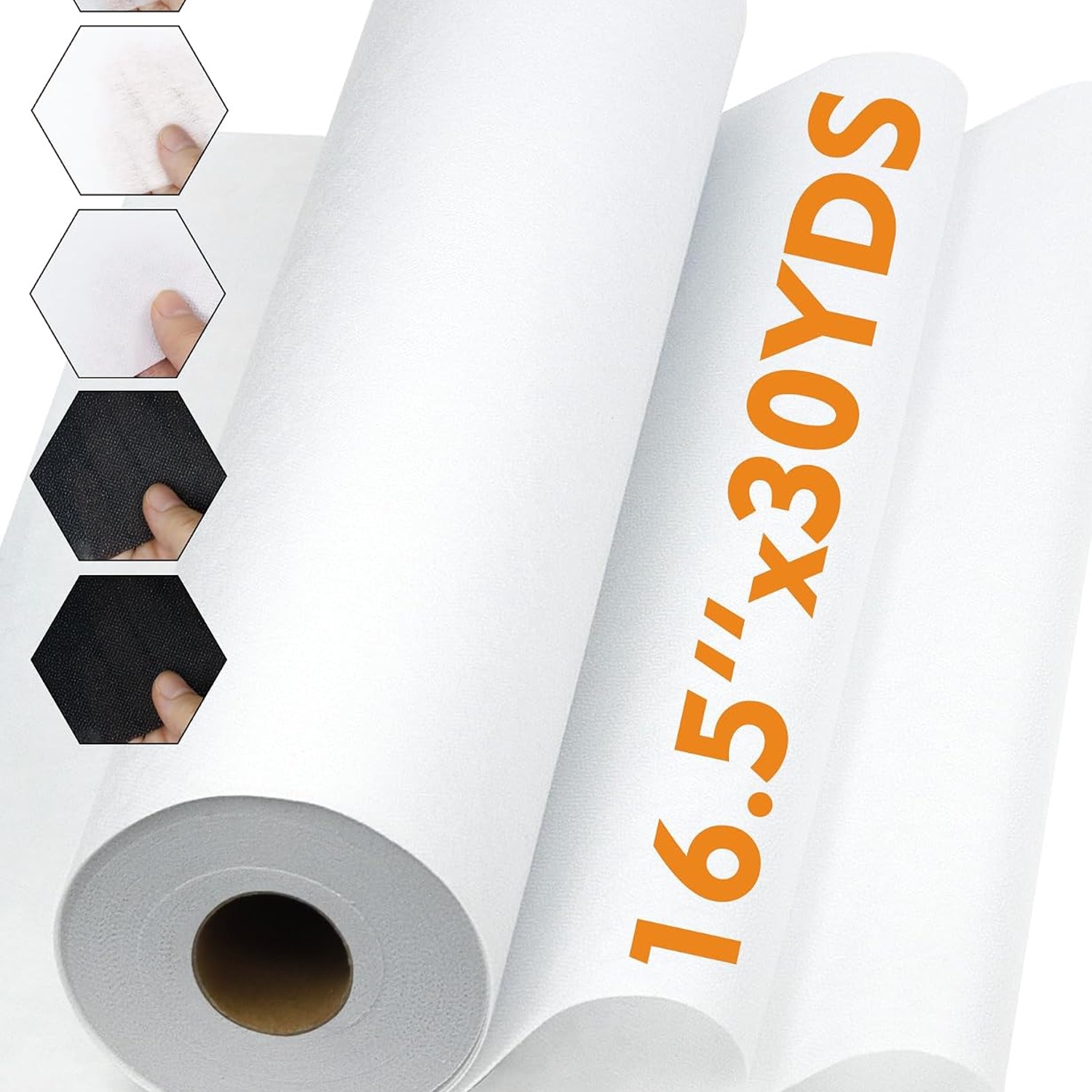
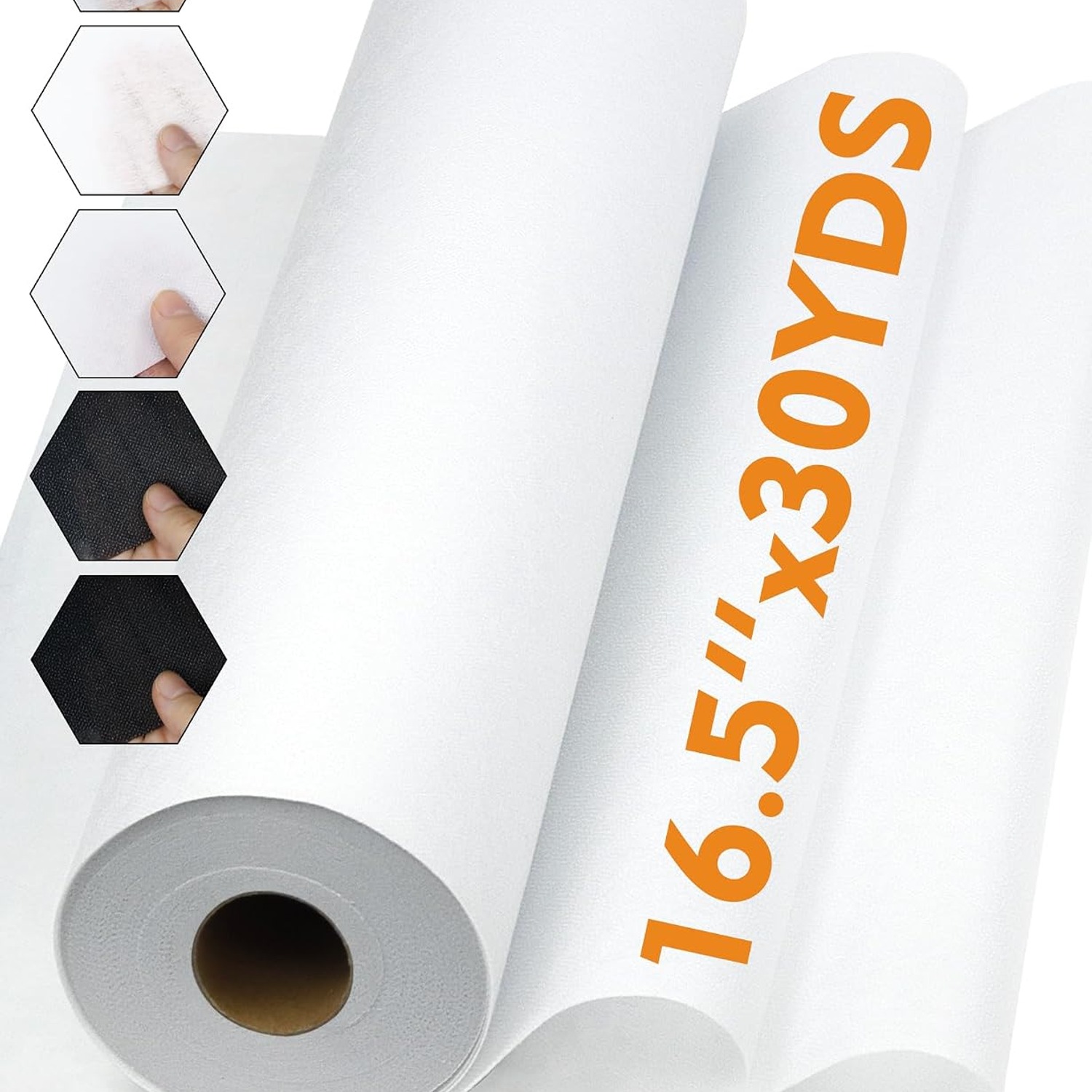
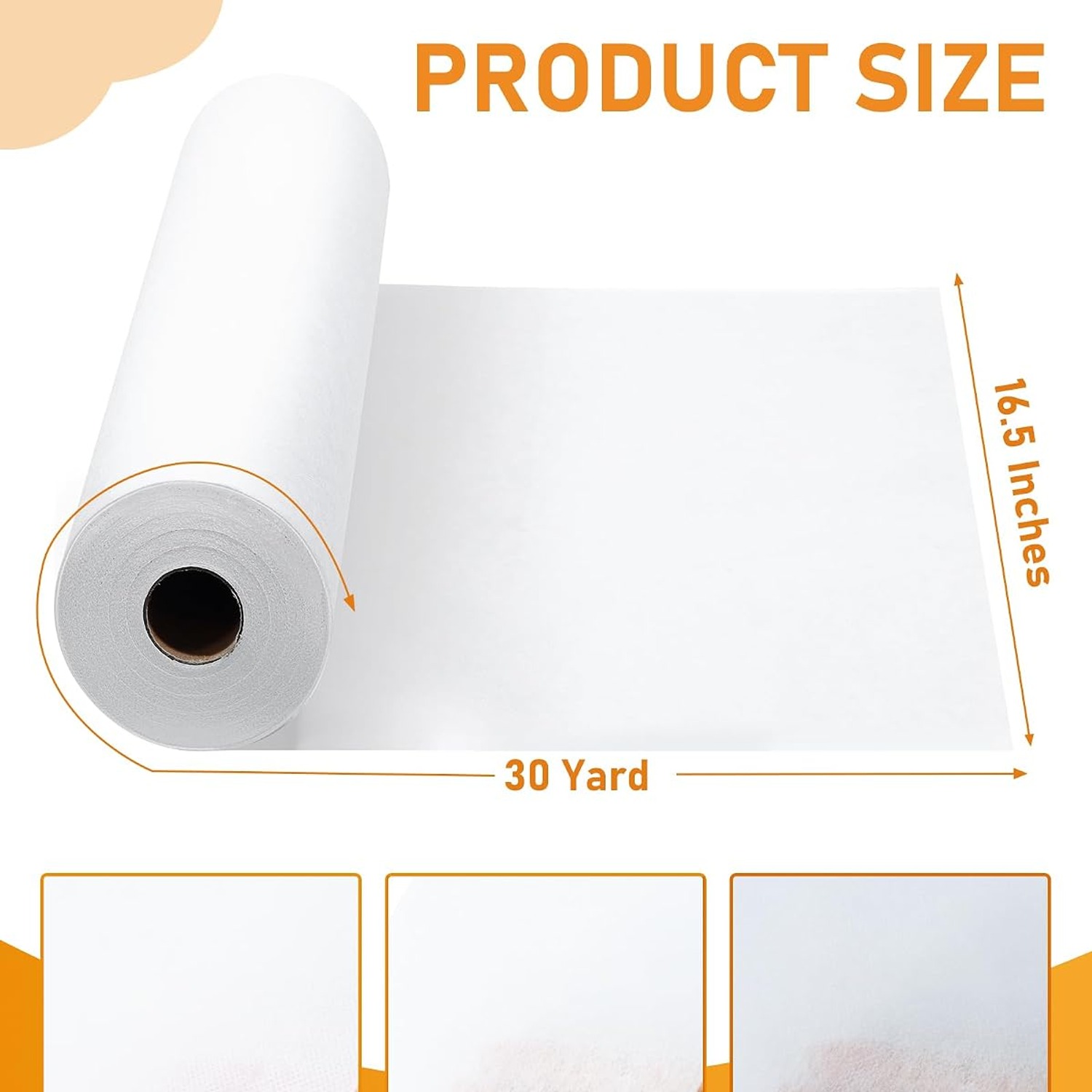
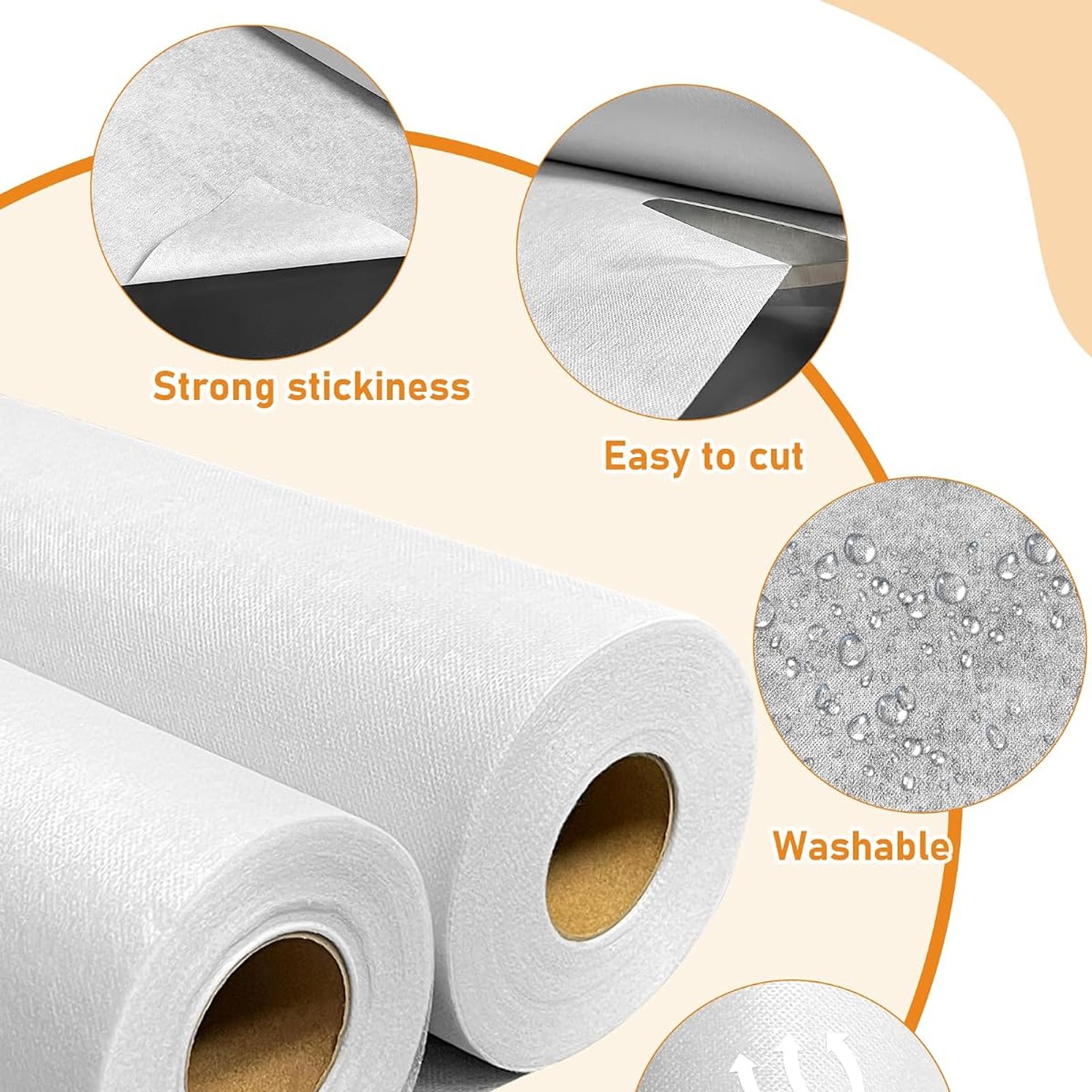
This iron on interfacing is a white, medium-weight option supplied as one roll. It measures 42 cm (16.5 in) wide and 30 yards (27.4 m) long. Here is what to consider before adding it to your sewing supplies.
What this roll is designed to do
Interfacing sits alongside your main fabric as a supporting layer. In a typical sewing project, that support is used only where it is needed, rather than across every piece. Your pattern is a useful starting point because it should identify the areas that require reinforcement.
The stated uses for this roll include garment reinforcement, adding body to quilting projects, crafts, and home decor. Those are broad uses, not a guarantee that it will suit every material or design within them.
Think about the finished result first. Does the area need to stay fairly soft, hold a defined edge, or resist folding? That question is more useful than choosing interfacing by project name alone. Two projects that both need support can still call for different weights.
How the fusible backing works
This is one-sided fusible interfacing. Heat from an iron activates the adhesive on one face, allowing it to bond to a suitable fabric. That is the main difference between this product and a support layer that relies on stitching alone.
The maker does not state a pressing temperature, holding time, or steam setting. There is no reliable reason to fill those gaps with a general setting from another product. Check the instructions that arrive with the roll before starting.
Your outer fabric also matters. If it cannot tolerate the heat needed for bonding, an iron-on fabric backing may not be the right approach. A pattern recommendation does not override the care limits of the material you have chosen.
Before pressing, identify the adhesive side using the supplied guidance. Take time with this step rather than guessing and risking adhesive contact with the wrong surface.
Is medium weight the right choice?
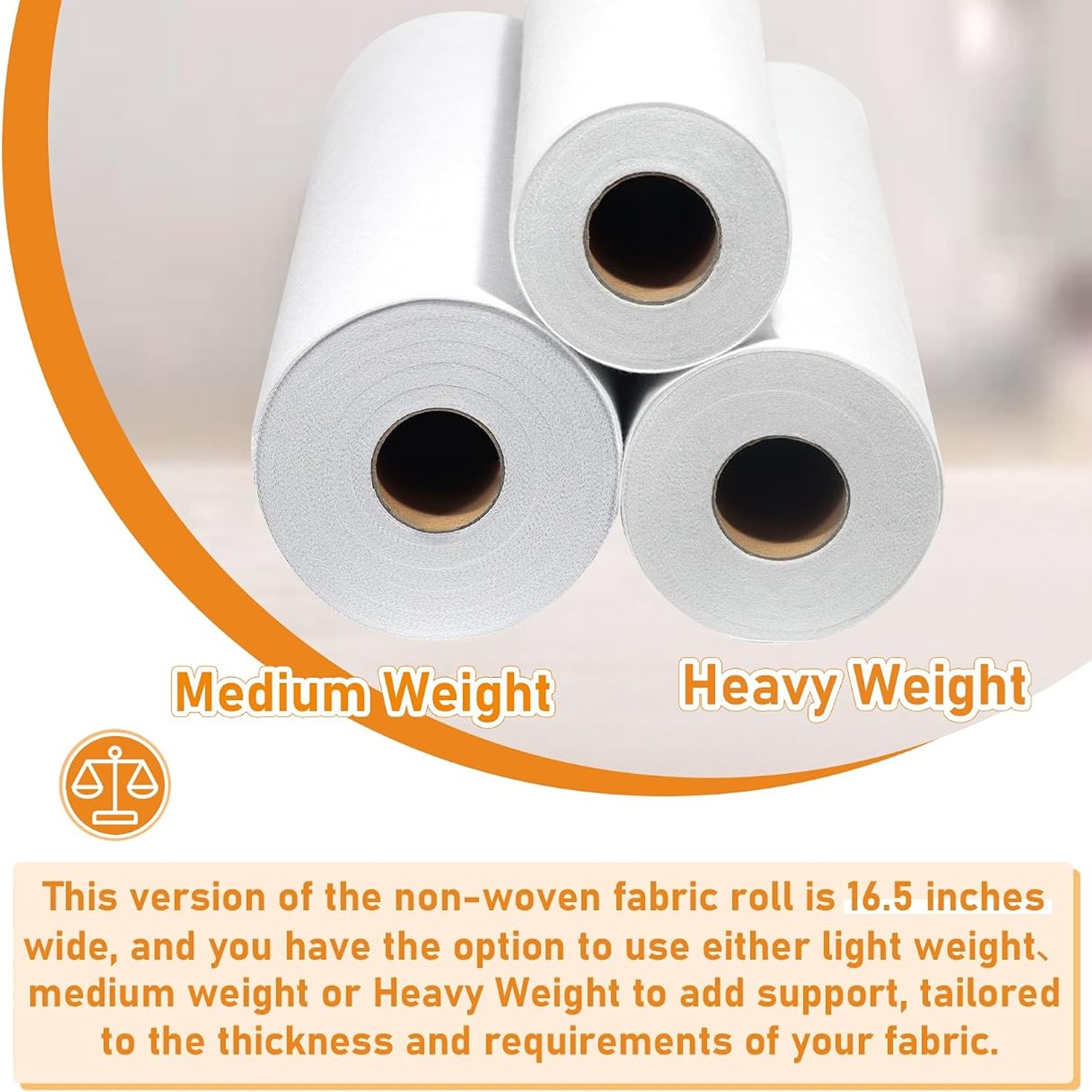
Medium weight is a support category. It is not an exact measure of how every finished project will feel. The outer fabric and the size of the reinforced area both affect the result.
For example, a small reinforced detail can feel quite different from a broad panel made with the same materials. That is why a sample is helpful even when you have used interfacing for sewing before.
If your pattern specifies lightweight, heavyweight, stretch, or sew-in interfacing, do not assume a medium-weight fusible roll is an equal substitute. Check what the pattern is trying to achieve before changing the recommendation.
The maker does not state a weight per square metre in the maker's description. The listed 721 g is the item weight, not a measure you can use to compare the fabric density with another interfacing.
Check the width before the length
A long roll can cover many small pieces, but width still sets a limit. This roll is 42 cm (16.5 in) wide. Start by measuring the widest piece that needs a continuous layer of support.
Place your paper pattern pieces within that width to make a realistic layout. This helps you see how much length the project will need and whether awkward shapes leave unused spaces. Do not assume that a roll will fit a piece simply because its total length is generous.
The supplied length is 30 yards (27.4 m). That can be useful if you repeat a pattern or work through several smaller projects. It also means you should think about storage and whether medium weight is a type you expect to use regularly.
The separate listed dimensions of 10 x 8 x 8 cm are product dimensions. They are not the usable width and length of the interfacing.
Match it to the project, not just the label
For clothing, begin with the sewing pattern. Interfacing for collars, for example, should support the shape the designer intended without creating an unwanted stiff edge. The same care applies when choosing interfacing for cuffs or waistbands.
For home decor, think about how the item will be handled. A decorative piece and something that is folded or cleaned often may have different needs. This product is listed for home decor use, but its washing conditions are not given by the maker by the maker.
Craft projects also benefit from a sample. If you are making several matching pieces, test the full layer arrangement before cutting the whole batch. It is easier to change course after one sample than after preparing every part.
For quilting, keep the role of each layer clear. This product adds support and body. It is not described as padded wadding, so do not choose it on the assumption that it will provide the same loft.
Make a sample that answers useful questions
A good sample should help you decide whether to continue, not simply show that two layers can stick together. Use a scrap of the actual outer fabric wherever possible, and follow the application instructions supplied with the roll.
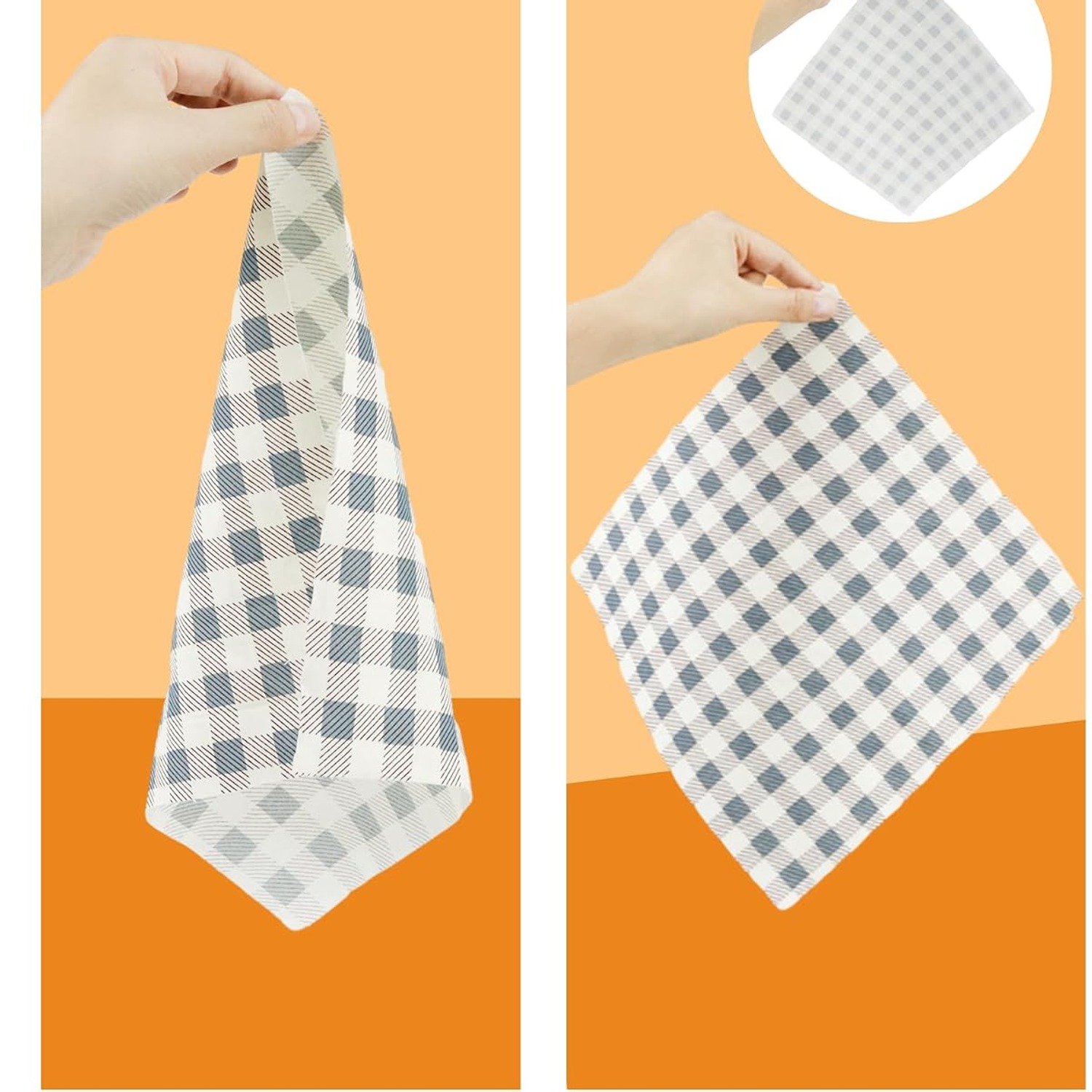
Once the sample is ready to assess, compare it with an unfused piece. Look at the face of the fabric. Check whether the white backing is visible, whether the surface has changed, and whether the supported piece bends as you want it to.
Handle it in a way that reflects the project. A piece that will fold needs a different check from one intended to remain flat. If the design needs stretch, confirm that the sample still has the movement required.
There is a return-policy detail to settle before testing. Cutting or using the roll means it no longer meets the stated change-of-mind return conditions. Inspect the unopened or unused product information first, and only cut once you have decided to proceed.
Plan your cutting and pressing
Once the product is right for your needs, use your pattern instructions to decide which pieces require support. There is no need to add interfacing to an area simply because you have plenty left on the roll.
Plan the cutting layout before making the first cut. A 42 cm wide interfacing roll rewards a little care with placement, especially when you have several small shapes. Keep usable offcuts together if they may suit a later detail.
Arrange a clear pressing area and keep the rest of the roll away from direct heat. Read both the fabric guidance and the interfacing instructions before applying the iron.
Avoid changing several application steps at once during a test. If the result is poor, checking each step against the supplied directions is more useful than repeatedly increasing the heat or pressing for longer without guidance.
Care starts with the finished fabric layers
The maker does not state washing or tumble-drying settings for this product. It also does not confirm how the adhesive will behave under a particular cleaning routine. That matters if your finished item will need frequent washing.
Check the supplied label for care details before making a washable project. Where suitable, test the planned cleaning method on a fused sample and examine it afterwards. Look for changes in shape, surface appearance, or the bond between layers.
Do not rely on the outer fabric's care label alone if the added interfacing has different limits. The finished item contains both, so your care plan needs to account for both.
Store the unused roll somewhere clean and dry, away from direct heat. Keep its instructions with it so you do not have to reconstruct the application method when you return to it months later.
Ordering and checking your roll
On arrival, check the description and any supplied label before cutting, washing, or applying it.
We sell in Canada, but a delivery lead time is not given by the maker. Check the current delivery information before ordering if your sewing project has a deadline.
Returns are accepted within 14 days from delivery for fabric that is unwashed, uncut, unused, and in its original packaging. The customer pays return postage. Faulty or wrongly described goods are put right free of charge.
Keeping those conditions in mind helps you make the checks in the right order. Review the product first, then move on to cutting and testing when you are ready to use it.
The short version
Choose this roll when your project calls for white medium-weight fusible support and your fabric is suitable for heat bonding. Check the 42 cm (16.5 in) width against your pattern, not just the 30 yards (27.4 m) of length.
Read the supplied application instructions, test carefully, and judge the finished feel before preparing every piece. A little planning helps you get useful support without losing the character of the fabric you chose.