
The complete guide
A Practical Guide to Choosing and Using Fusible Fleece
A bag can look right on paper yet feel too soft once the fabric is cut. A pouch may need more body, or a craft project may need a supporting layer that stays attached while you sew. Choosing that hidden layer matters just as much as choosing the outer fabric.
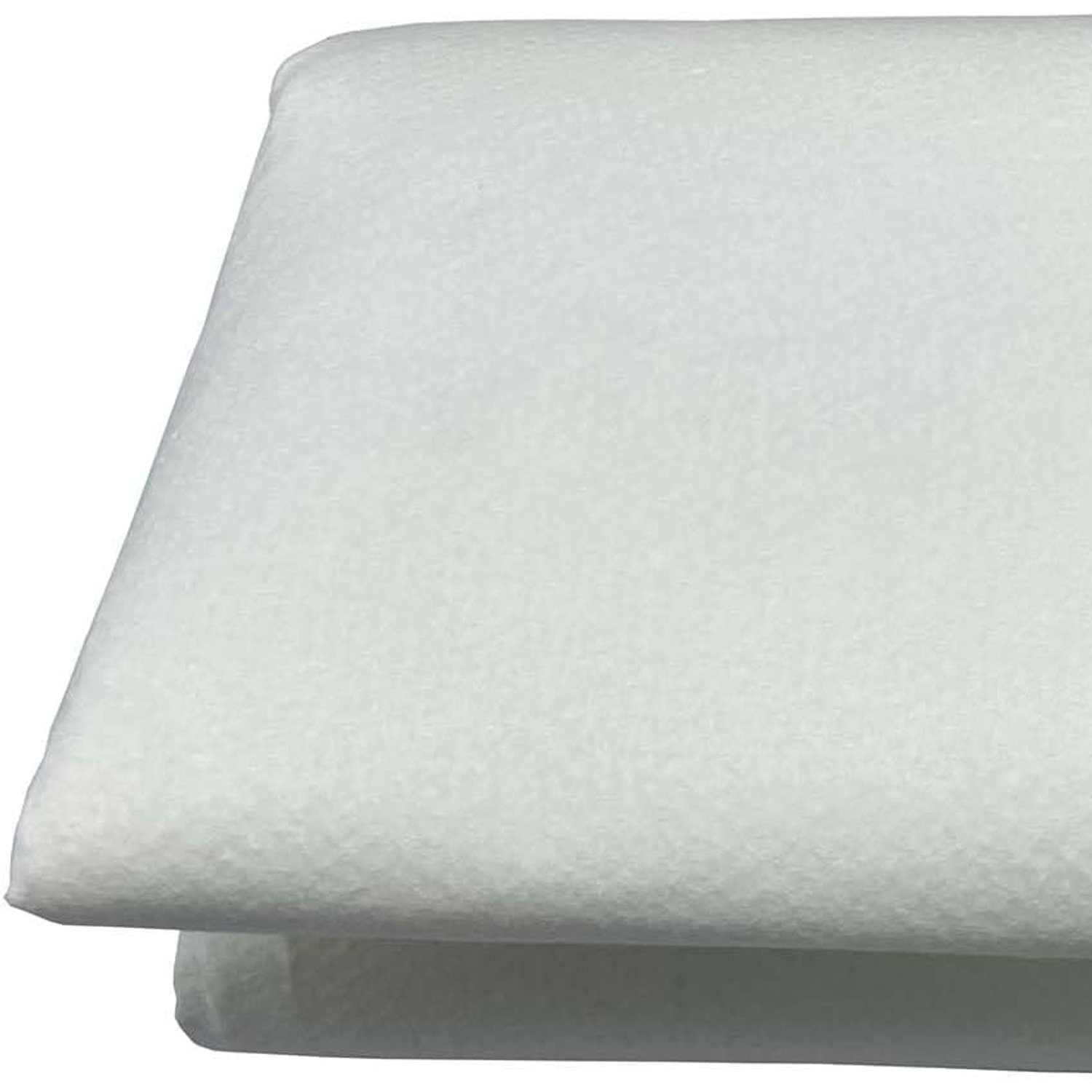
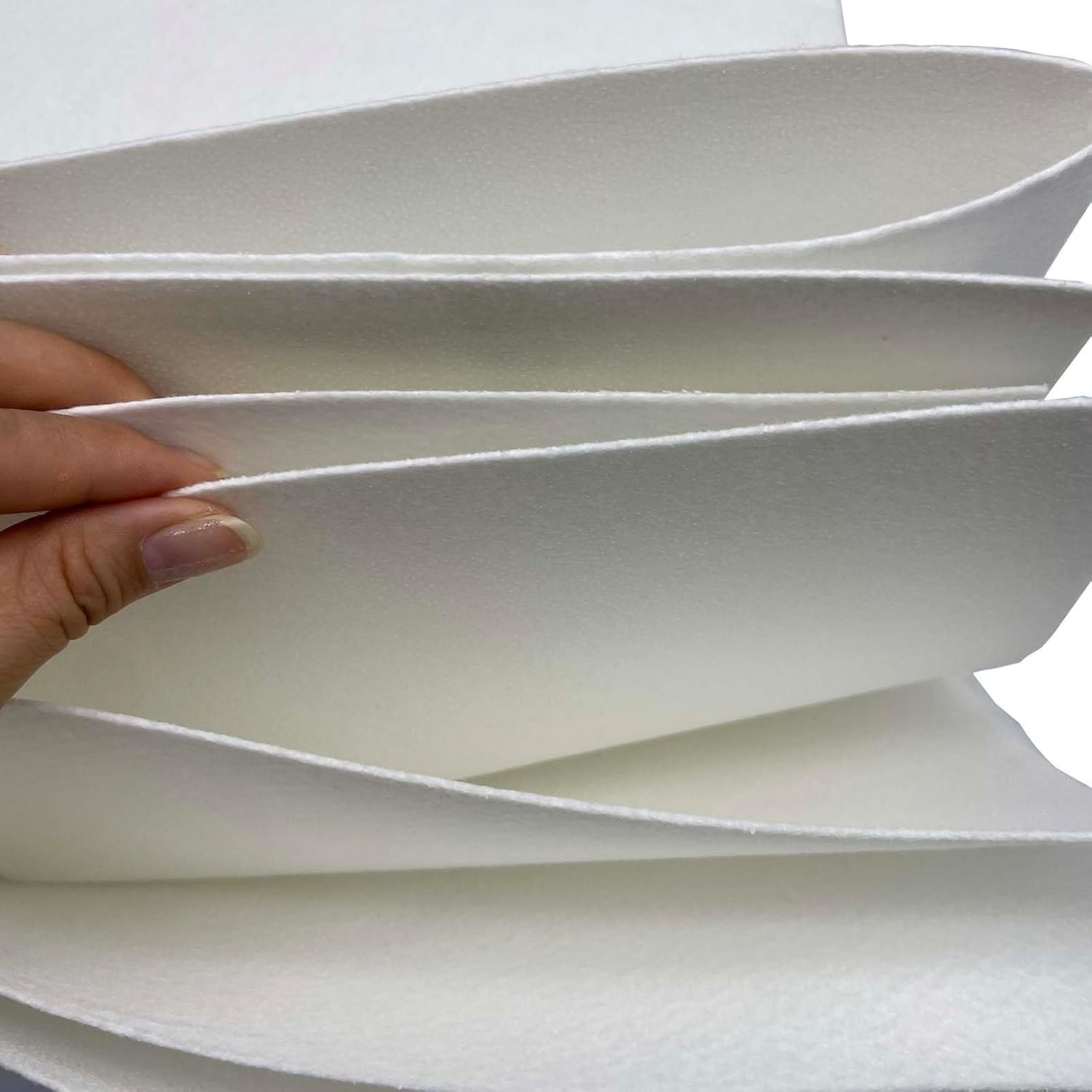
Fusible fleece is one option when a pattern calls for added body and a fleece layer. This product is one piece of white medium weight fleece, 120 cm wide and 1 m long, with adhesive on one side. Before buying, check the size, the feel you want and whether your fabric can take the heat needed for fusing.
What fusible fleece brings to a project
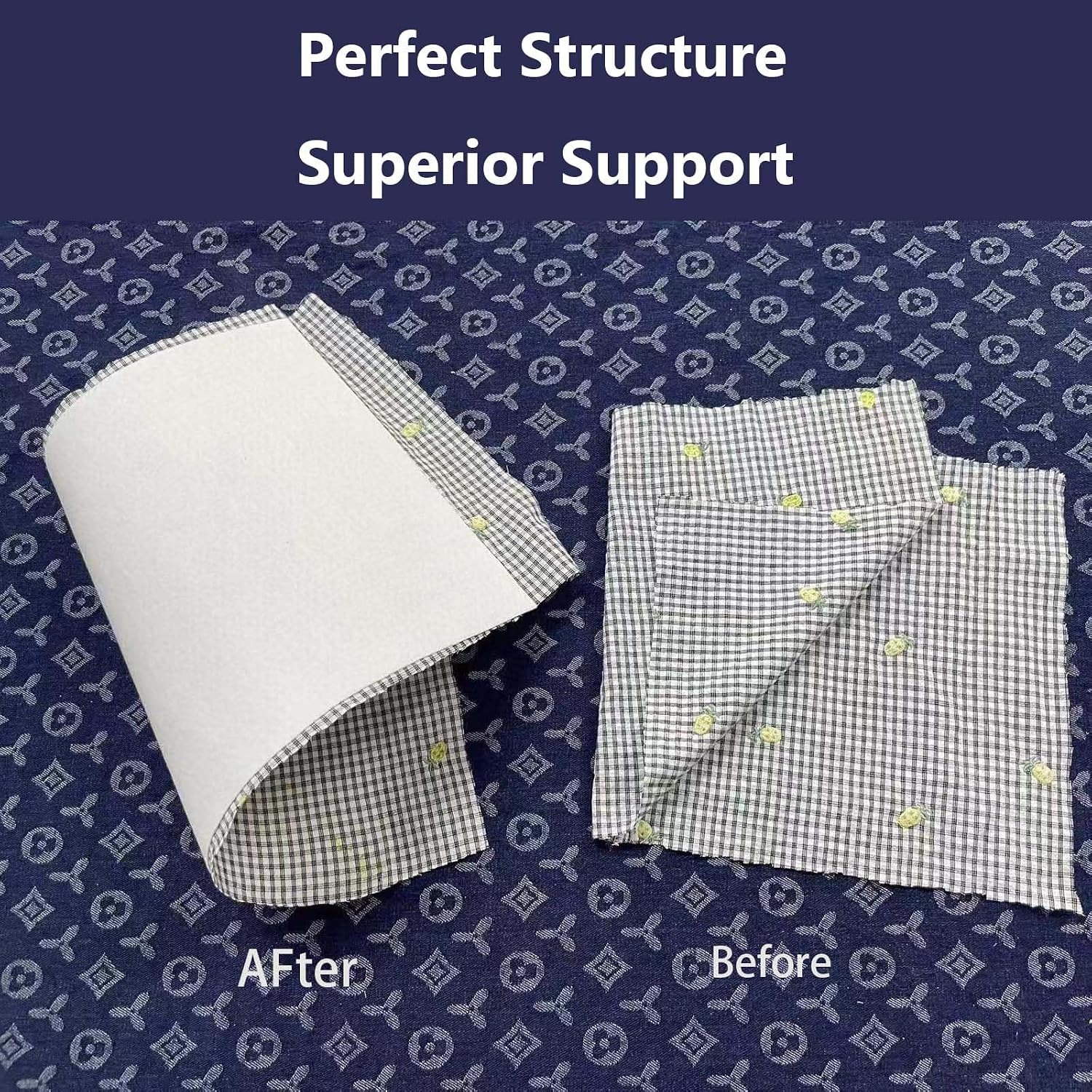
Fleece interfacing sits inside a sewn item rather than acting as the visible outer fabric. Its job is to change the feel and body of the fabric assembly. With an iron-on version, the adhesive helps attach that layer before you build the rest of the project.
This fleece is described as medium weight, stiff and 1.3 mm thick. Those details are useful starting points, but they do not tell you exactly how a finished bag will feel. A thin outer fabric and a heavy one can give quite different results over the same fleece.
Think of it as one part of the construction. The lining, seams and shape still matter. A bag stabilizer alone does not guarantee that a finished bag will stand upright, and this product makes no such promise.
Understand the piece size before ordering
You receive one piece measuring 120 cm across and 1 m long. This is a set piece, not fabric cut to a length you request. For layout planning, that gives you a rectangle measuring 120 cm by 100 cm.
The maker's description also shows product dimensions of 25.4 x 35.56 x 2.54 cm. These are separate from the stated fabric size. Their purpose is not explained in the maker's description, so use the 120 cm by 1 m measurement when checking your pattern.
Avoid judging coverage from the name of a project. One might use fleece only on the outer panels, while another includes pockets or a base. Read the cutting list before deciding whether one piece is enough.
Match the fleece to your pattern
The simplest choice is often the one your pattern already specifies. If it asks for medium weight fusible fleece, compare that requirement with this product. If it asks for a different type of support, pause before making a substitution.
Plain interfacing, fleece and other stabilizers can change a project in different ways. A pattern written around one material may need changes when you use another. This matters at folded edges, narrow openings and corners, where several layers meet.
For fleece for bag making, consider how you want the finished item to bend. A softly shaped bag has different needs from a firm box-shaped case. The maker's description gives you a starting point, but a sample made with your actual fabric is more useful than a general weight label.
Check the outer fabric as well
Iron-on bag interfacing needs a fabric that can tolerate the application process. Do not assume every fabric can take the same amount of heat. Read the fabric care guidance before you bring out the iron.
Thin or sheer fabric deserves another check. White fusible fleece may be visible through it, and the extra layer may change its surface or drape. Hold the materials together in good light before deciding whether the combination suits your project.
Textured surfaces can also make the result harder to predict. If you are unsure, ask for application guidance before using the full piece. A test can help you judge appearance, attachment and feel without risking a large panel.
Plan your cutting layout first
Lay your paper pattern pieces within a marked 120 cm by 100 cm area. Use the cutting instructions for the fleece, which may differ from those for the outer fabric. Some patterns treat seam allowances differently for supporting layers.
Check how many copies of each piece you need. A front and back panel may look alike, but the pattern could also call for a base or smaller sections. Mark each piece on your layout so nothing is missed.
Leave room for a test offcut if possible. It is tempting to fit every last pattern piece into the available area, but a small trial can prevent a much larger mistake. Do this planning before cutting, especially if you are still deciding whether to keep the product.
Make a useful test sample
A good test uses the same fabric and layer arrangement as the finished project. Place the adhesive face of the single sided fusible fleece against the wrong side of a fabric offcut. Check the supplied instructions before applying heat.
Once the sample has cooled, look at both sides. Check for visible changes to the outer fabric and assess whether the bond appears even. Bend the sample gently to get a sense of how the combined layers behave.
If seams are important to the design, sew a sample seam too. A flat fused piece does not show how much bulk will gather at a corner. Testing the full construction gives you a clearer answer than pressing alone.
Remember that cutting or using the fleece affects return eligibility. Inspect the unopened piece and confirm the listed details before beginning any test.
Use the iron with care
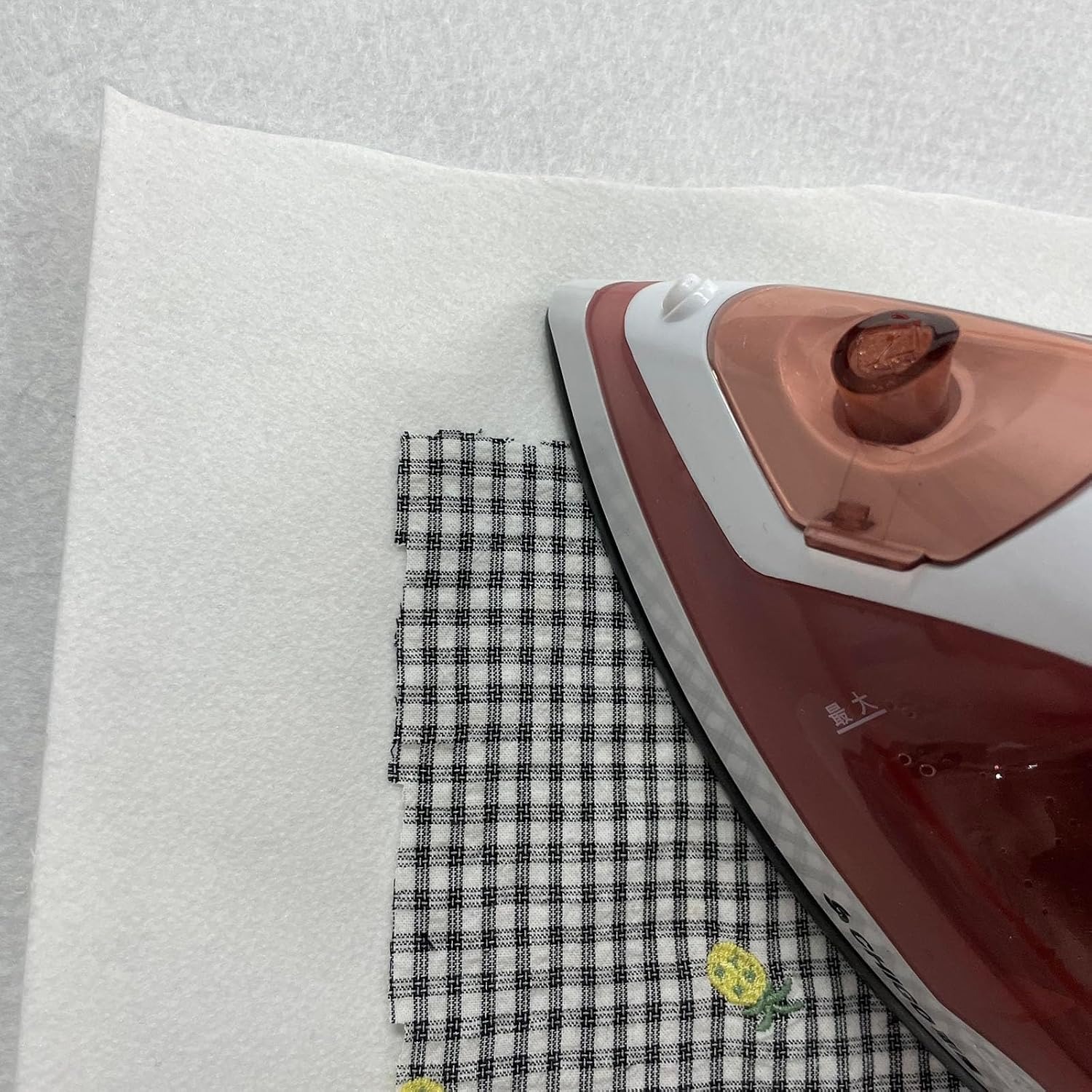
The adhesive side is described as slightly rough. Identify it before positioning the fleece so that it faces the fabric rather than the iron. Work on a suitable pressing surface and keep the layers flat.
Follow the application guidance supplied with the product. The fabric's heat tolerance matters alongside the fleece instructions, so do not rely on a setting you used for a different project.
Take time to check the first section before treating a whole panel. If the fabric changes appearance or the result is uneven, stop and review the instructions. Adding more heat without understanding the problem can put the outer fabric at risk.
Sew with the whole stack in mind
After fusing, your fabric assembly will feel different from the outer fabric on its own. That is the point of adding support, but it can also affect how folds and seams behave.
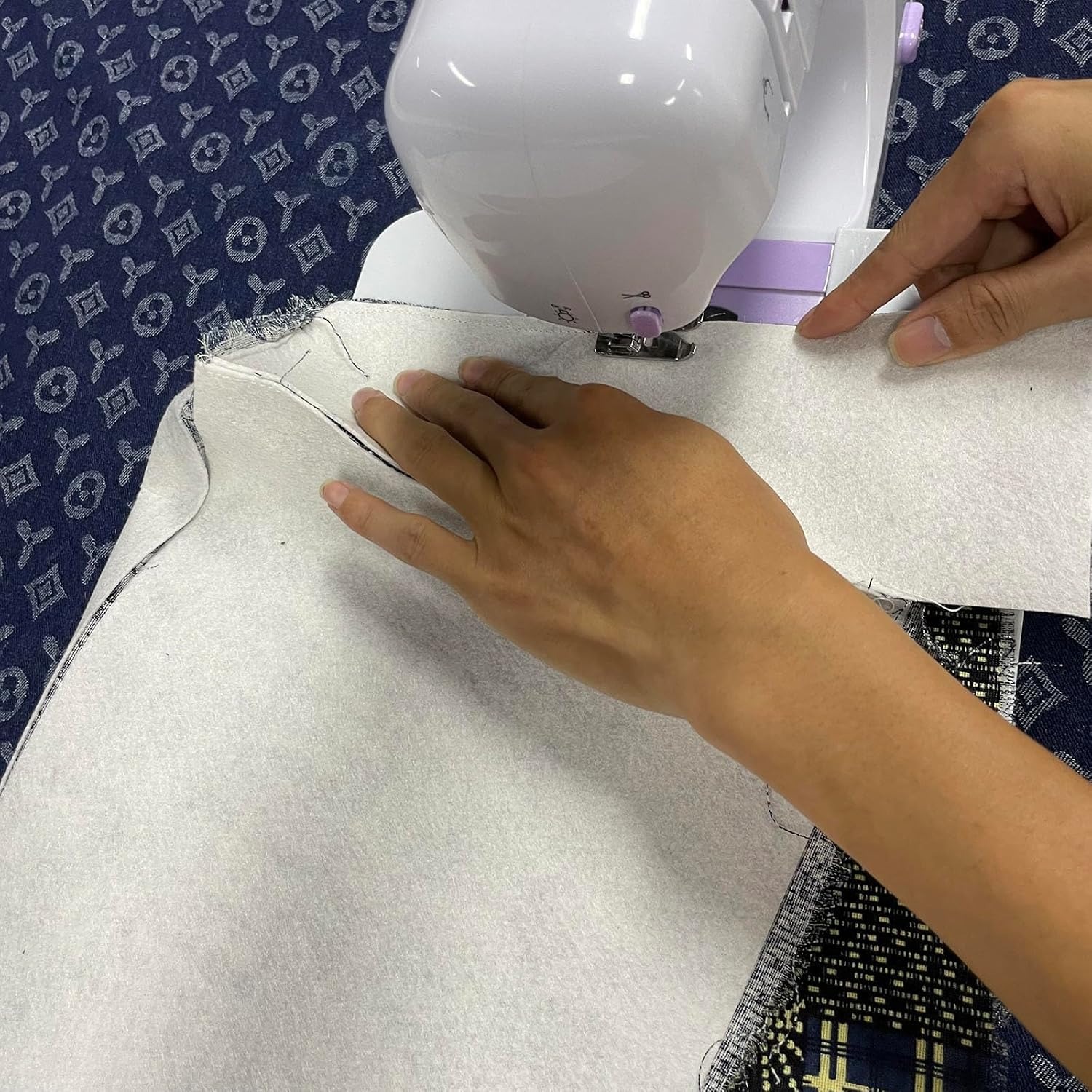
For interfacing for pouches, pay close attention to zip ends and corners. These areas can bring several layers together in a small space. Follow the pattern's directions for reducing bulk rather than trimming fleece at random.
Try your machine setup on a sample of the full stack. Check stitch formation and feeding before working on the visible project pieces. This is a practical way to spot a problem while it is still easy to change your approach.
Decide whether it suits your kind of sewing
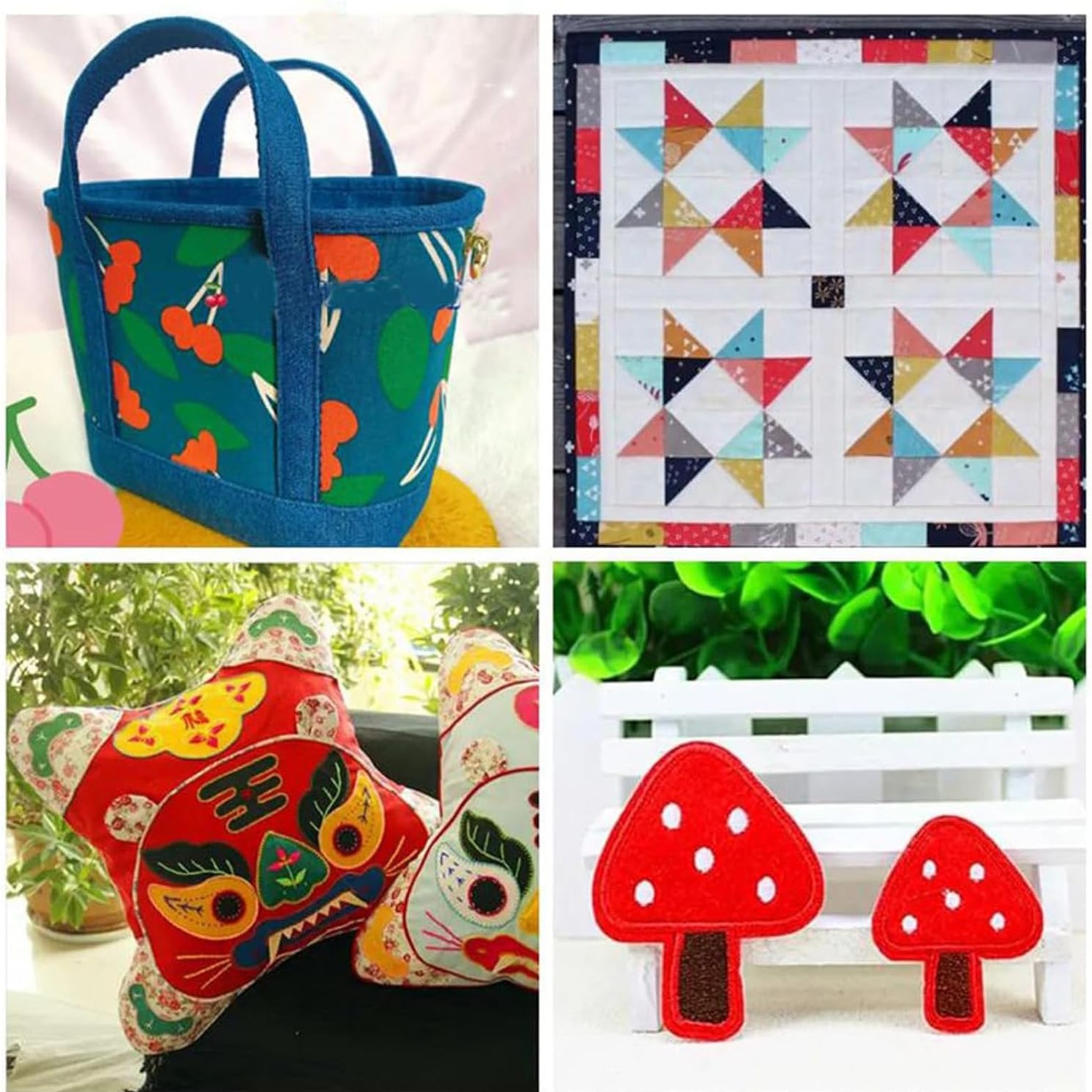
This product is intended for bags and sewing or craft projects. It is worth considering when your instructions call for a white medium weight fusible layer and the supplied piece fits your layout.
It is not automatically the right choice for clothing, quilts or any project that needs a particular wash performance. Those uses may have different requirements, and the maker's description does not establish suitability for them.
If you are choosing polyester fusible fleece for a new pattern, focus on the stated requirements rather than the project name alone. “Bag” covers everything from a soft drawstring style to a structured case. The supporting layer needs to match the design.
Think about care before assembly
The maker does not state washing or tumble-drying performance. That is important if you are making something you expect to clean often. Check the supplied guidance before choosing the fleece for that purpose.
The finished item contains more than the fleece. Outer fabric, lining, thread and closures may all have different care limits. Choose a care method that suits the complete item, not just its most washable part.
Keep unused craft interfacing clean and dry, away from direct heat. Store the remaining piece with its instructions so you have the same guidance when you return to it for another project.
Check delivery and returns before you start
No delivery lead time is stated in the maker's description. Use the delivery information at checkout when planning a project deadline, especially if you still need time to test the materials.
Inspect the product when it arrives. Confirm that it is the piece you ordered before washing, cutting or using it. Returns are available within 14 days of delivery for unwashed, uncut, unused fabric in its original packaging, with return postage paid by the customer.
Faulty or wrongly described goods are put right free of charge. If something seems wrong, raise it before changing the condition of the piece.
The short version
Choose this fusible fleece when your pattern needs a white medium weight iron-on layer and a single 120 cm x 1 m piece covers the cutting plan. Check fabric heat tolerance, follow the supplied pressing guidance and test the full layer stack before sewing.
The hidden parts of a project deserve a little planning. A careful layout and a useful sample can help you decide whether this fleece gives your project the body and feel you want.