
The complete guide
Choosing Felt Sheets for Small Colourful Craft Projects
A small craft project can call for several colours but very little of each one. Buying a large length in every shade can leave you with more fabric than you need.
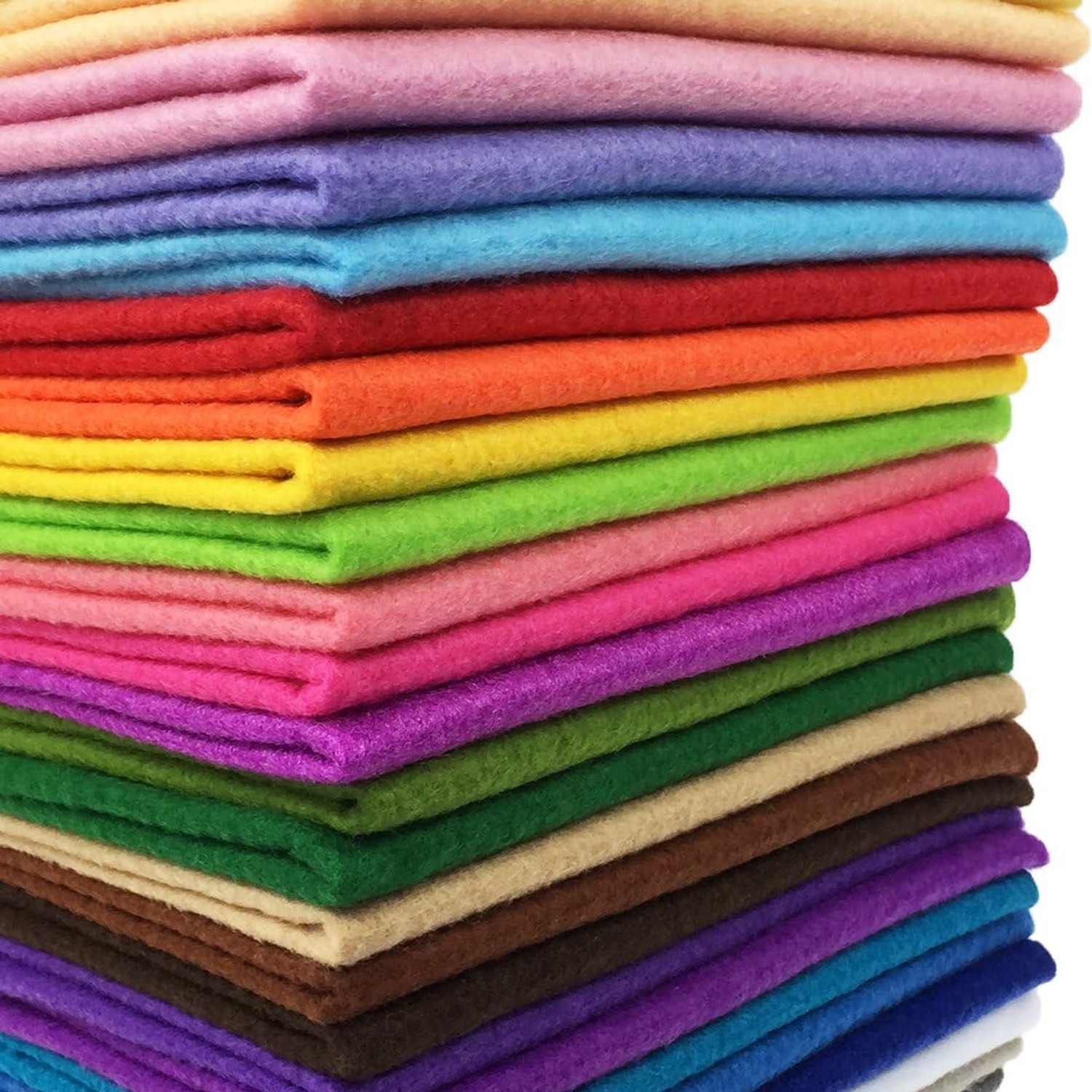
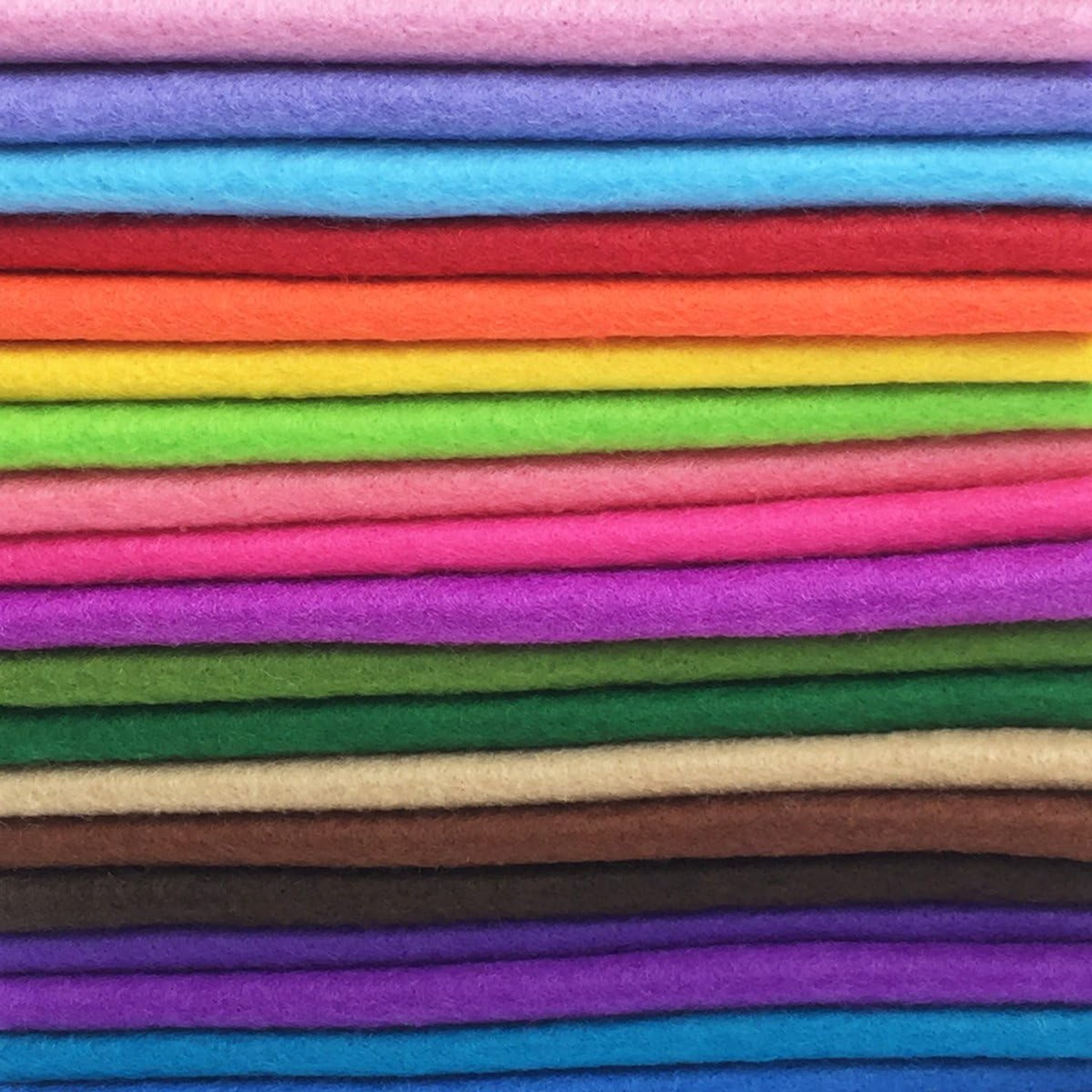
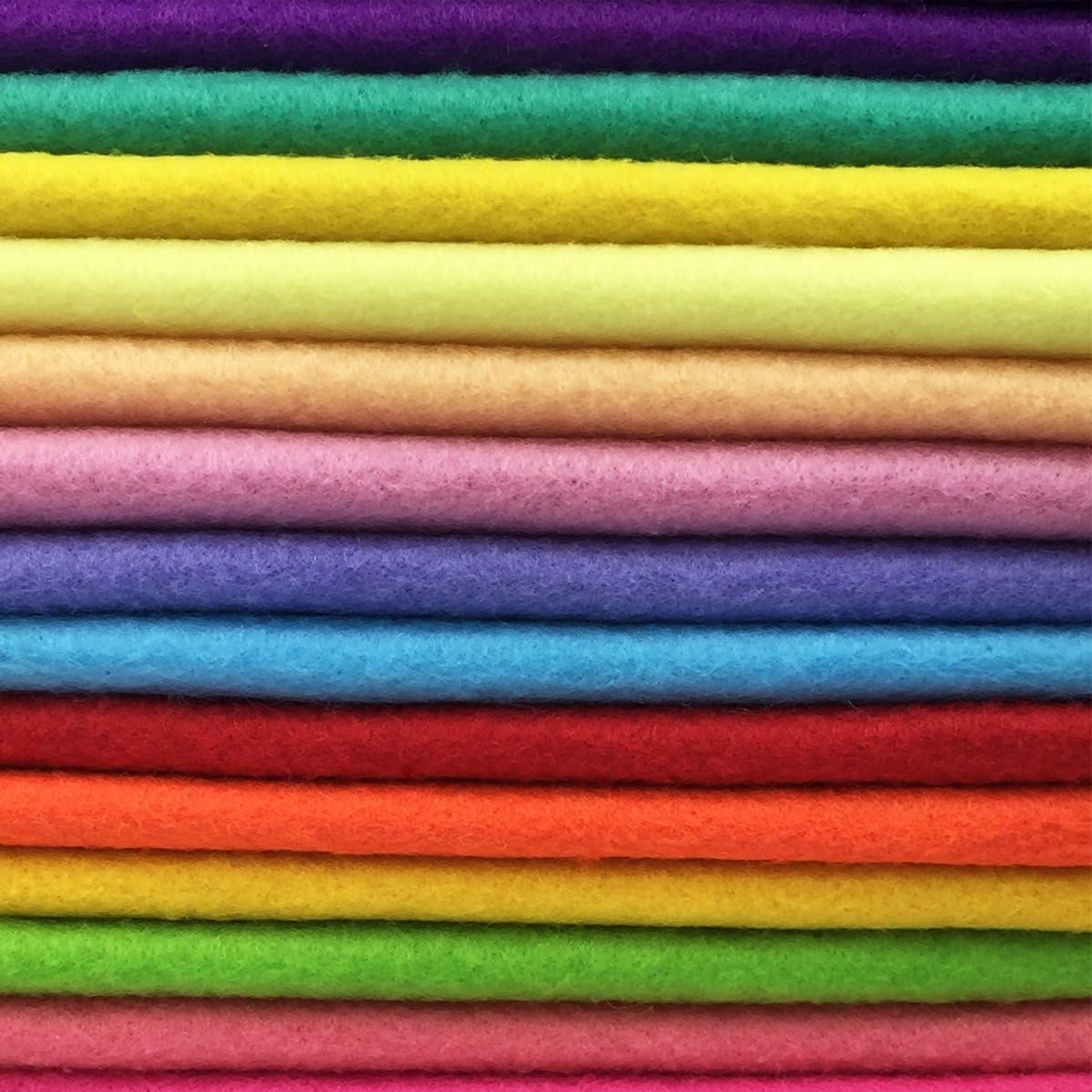
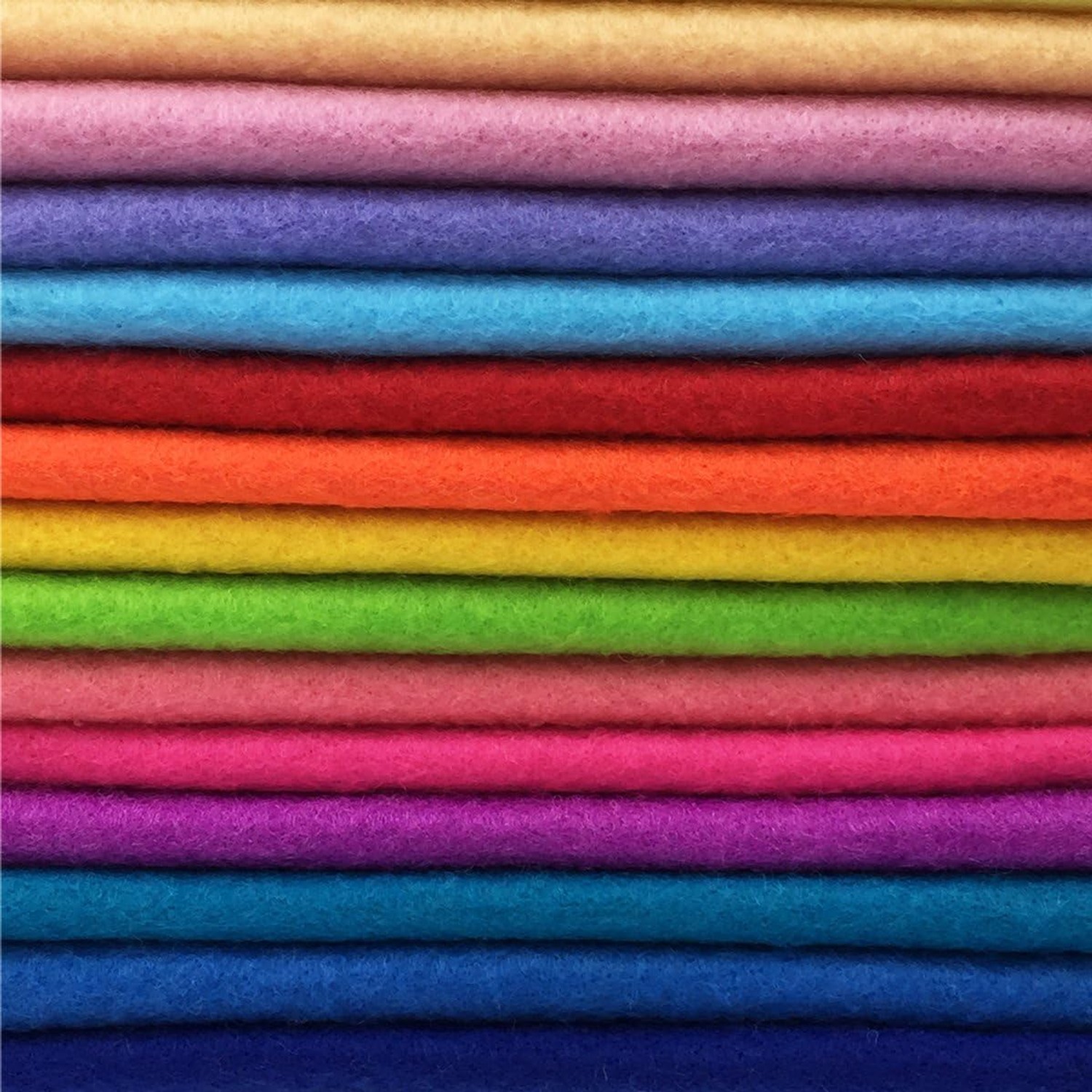
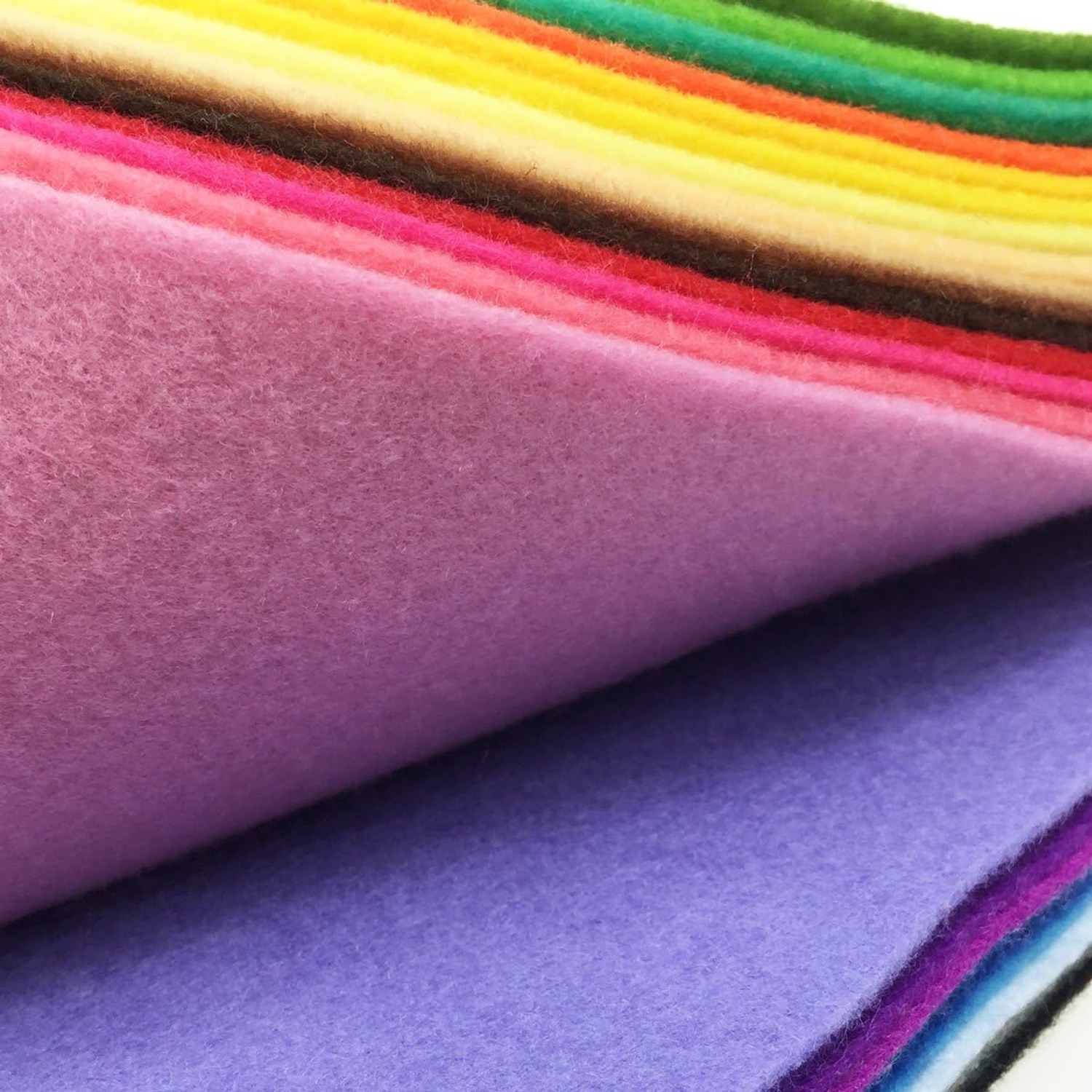
This pack contains 28 felt sheets in 28 different colours. Each sheet measures 30 x 20 cm and is approximately 1.4 mm thick. Those measurements matter more than a general description such as “craft size”. They tell you whether your pattern will fit and help you work out how much you can make before the scissors come out.
Start with the project, not just the colours
It is easy to choose coloured felt sheets because the assortment looks useful. A better first step is to think about the largest piece in your design. Draw it on paper, including any overlap or joining allowance, then check it against a 30 x 20 cm rectangle.
Small flowers, letters, decorative patches and costume accents are possible project ideas. A broad letter may take most of a sheet, while several small leaves may fit beside one another.
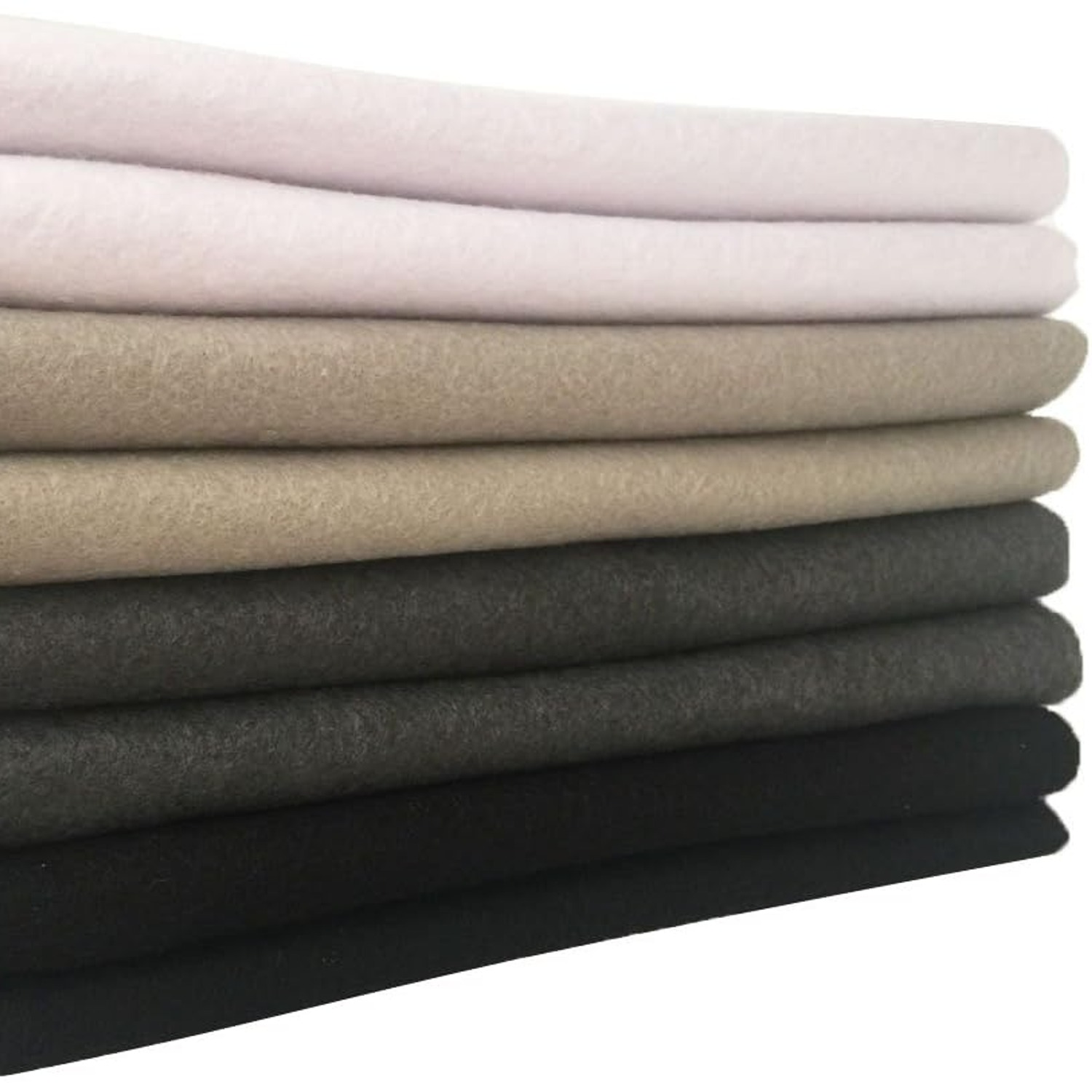
Also count how many pieces you need in the same colour. This pack provides variety, with one sheet in each of 28 colours. It is not a supply of multiple sheets in one matching shade. If your design depends on repeated identical colours, settle that requirement before buying.
Understand what the felt is
The supplied fabric information describes a non-woven felt with an acrylic, rayon and wool blend. It does not give the fibre percentages. That means you should not treat it as pure wool felt or assume it has the same properties as another blend you have used.
Non-woven describes the construction rather than a woven thread pattern. For your project, the useful point is that these are felt sheets made for craft methods such as cutting, folding, sewing and gluing.
The pattern is listed as solid. There is no printed motif to position within your template, so you can focus on the outline and colour placement. Exact shade names are not provided. If a precise match to an existing fabric matters, an assorted pack needs more caution than a named colour bought for that purpose.
Match the sheet size to your design
A 30 x 20 cm sheet is suited to smaller parts rather than broad, unbroken panels. You can combine sheets in a larger arrangement, but the joins become part of the design. Plan where those joins will sit instead of discovering the problem halfway through.
For a bulletin board, for example, individual felt shapes may be more practical than trying to make one continuous background. For costume work, think about badges, decorative panels or other details that fit within the sheet boundaries.
Paper templates help with this decision. Lay them inside a measured rectangle and rotate them to compare layouts. Leave room to cut comfortably, especially around curves. This simple check can prevent a design from depending on a few centimetres of fabric that are not there.
Consider thickness and layers together
The felt is approximately 1.4 mm thick. That gives you a useful planning figure, but it is not a guarantee of stiffness or support. The maker does not state a stiffness rating.
Think about the finished stack when you layer shapes. A base piece, a decorative shape and a small top detail will be thicker together than any single sheet. That can affect where you sew, how pieces overlap and how the finished work sits.
If you are adding felt to another item, check the attachment area too. A small accent may need only a few fixing points, while a larger panel needs more thought. Make a simple sample with offcuts before building the final piece.
Choose an assembly method that fits
These sheets can be cut, folded, glued, sewn and stapled. Having several options is useful, but each method asks something different of the design.
Sewing may suit a project where stitches are part of the look. Glue may suit a flat layered arrangement. Staples may work for some display projects, provided their position is appropriate and they will not leave exposed points where people handle the work.
The maker does not specify a particular glue, needle or stitch setting. Test your own supplies on an offcut. Let adhesives dry according to their instructions before judging the result. If you plan to mix methods, such as gluing pieces in place before sewing, test the whole combination rather than each step alone.
Plan colour use before cutting
An assorted felt pack is helpful when you want to compare colours side by side. Lay out the sheets and place your paper shapes over them before making any cuts. You may find that a small change in colour placement makes the design easier to read.
For patchwork craft felt arrangements, decide which pieces should draw attention and which should sit quietly behind them. You do not need to use every colour just because it is in the pack. A limited selection may be enough for one project, leaving the other sheets for later.
Set aside the colour you need for the largest piece first. Small details can often come from offcuts, but a large shape needs an uncut area. This is especially important when each colour is represented by one sheet.
Think about painting and drawing
Drawing and painting are listed uses for the felt. Even so, the maker does not name suitable pens, paints or application methods. A trial piece is the sensible first step.
Use a small offcut in a colour close to the one in your finished design. Check how the mark looks after it has dried, not just while it is fresh. If you are drawing a guide line, place it where it will be hidden or removed by cutting.
For a project with repeated painted details, finish one sample before marking every piece. That gives you a chance to adjust the design without using up several colours. Keep your workspace protected and follow the instructions supplied with your chosen art materials.
Decide whether it suits the person using it
Felt craft supplies can support simple projects as well as more detailed ones. A beginner might start with a few large shapes and one joining method. Someone with sewing experience may prefer layered details or more involved patterns.
No age recommendation or safety certification is supplied in the maker's description. The fabric pack alone does not determine whether an activity suits a child. Scissors, needles, adhesives and small cut pieces all need their own care and supervision.
As a gift, the pack makes most sense for someone who already enjoys working with fabric or has a project in mind. It is not a complete kit. Consider whether the recipient already has the tools and joining supplies they will need.
Keep care needs in the decision
The listed care instruction is dry clean only. That is worth checking before you spend time making something that will need regular cleaning.
A display decoration has different care demands from an item used and handled every day. If your plan depends on machine washing, the maker's description does not support that use. Choose a fabric with stated care instructions that fit the finished project instead.
Added parts matter as well. Glue, paint, thread and trims may have their own cleaning limits. Keep a note of what you use so you can check the care needs of the whole item later. Detailed ironing settings are not specified, so do not guess a pressing temperature for the blend.
Store sheets and offcuts with a plan
Keep unused sheets flat, clean and dry. A folder or suitable storage box can help you see what remains without repeatedly unfolding or shifting the fabric.
Offcuts are worth sorting if you make small details. A narrow piece may be enough for a stem or border, while a small square might cover a decorative centre. Keep usable scraps together, but avoid letting tiny leftovers hide the larger pieces you still need.
Before putting a project away, separate its reserved colours from general supplies. A note with the pattern can prevent a sheet intended for a final detail from being used elsewhere. Good organisation is often more helpful than buying extra fabric without a plan.
Check the pack before changing it
On arrival, check the quantity and compare the sheet size with your project needs before cutting or using the felt. This is also the time to decide whether the assortment works for your design.
Change-of-mind returns are available within 14 days of delivery for fabric that is unwashed, uncut, unused and in its original packaging. The customer pays return postage. Faulty or wrongly described goods are put right free of charge.
A delivery lead time is not specified by the maker. If you are making something for an event, check the delivery information for your address before ordering and leave time to complete the work.
The short version
Choose this pack when you want 28 assorted colours for small felt projects. Plan around individual 30 x 20 cm sheets, an approximate thickness of 1.4 mm and dry-clean-only care.
Check templates, repeated colour needs and your joining method first. With those decisions made, you can use the assortment for shapes, decorations and sewn details without mistaking it for a continuous length of fabric or a complete craft kit.