
The complete guide
A Practical Guide to Choosing Floral Charm Pack Squares
A simpler start for a patchwork idea
A patchwork project can stall before the first seam. You need to choose fabric, work out how much to buy and cut it into pieces that match. If you want to begin with a layout rather than a cutting session, precut squares offer a useful starting point.
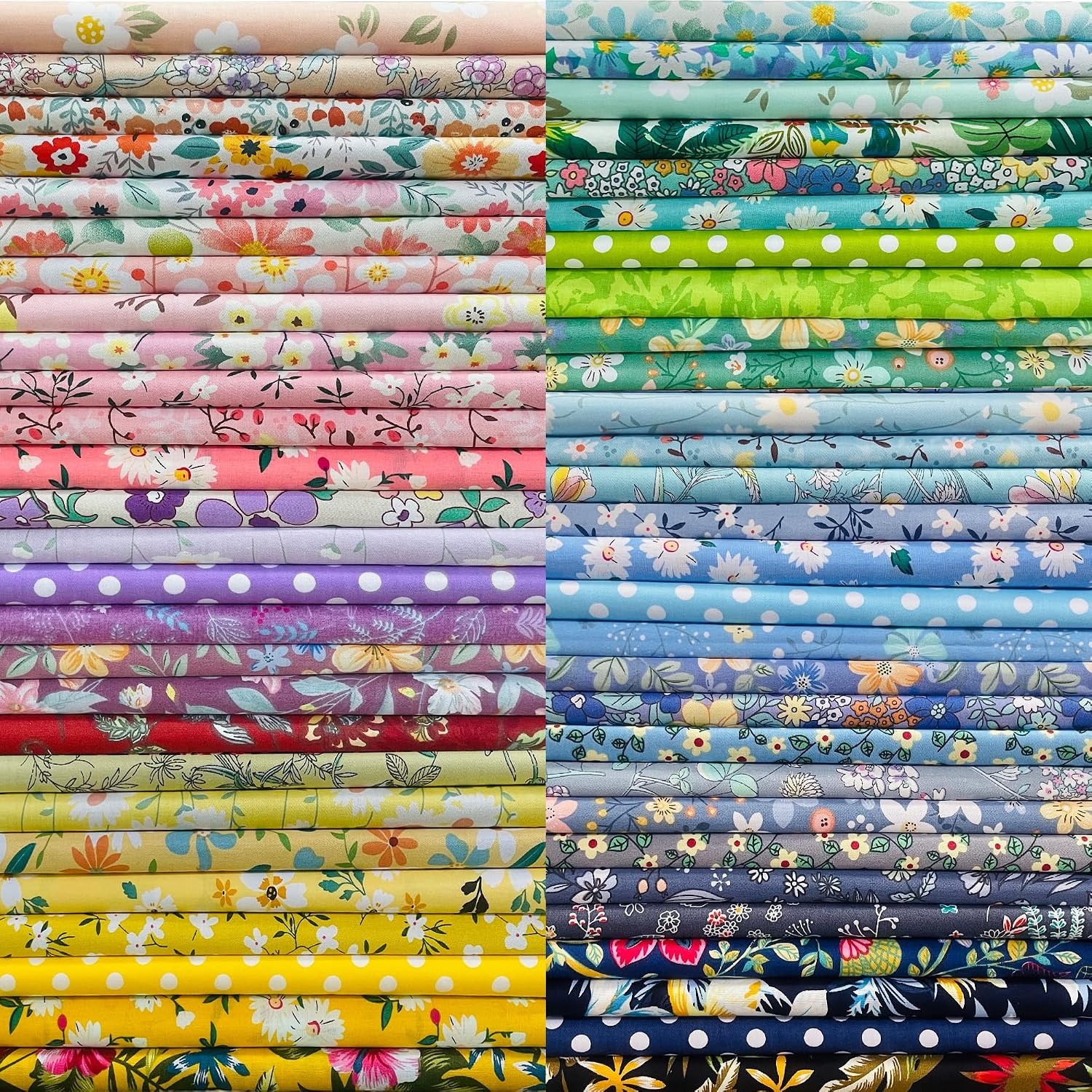
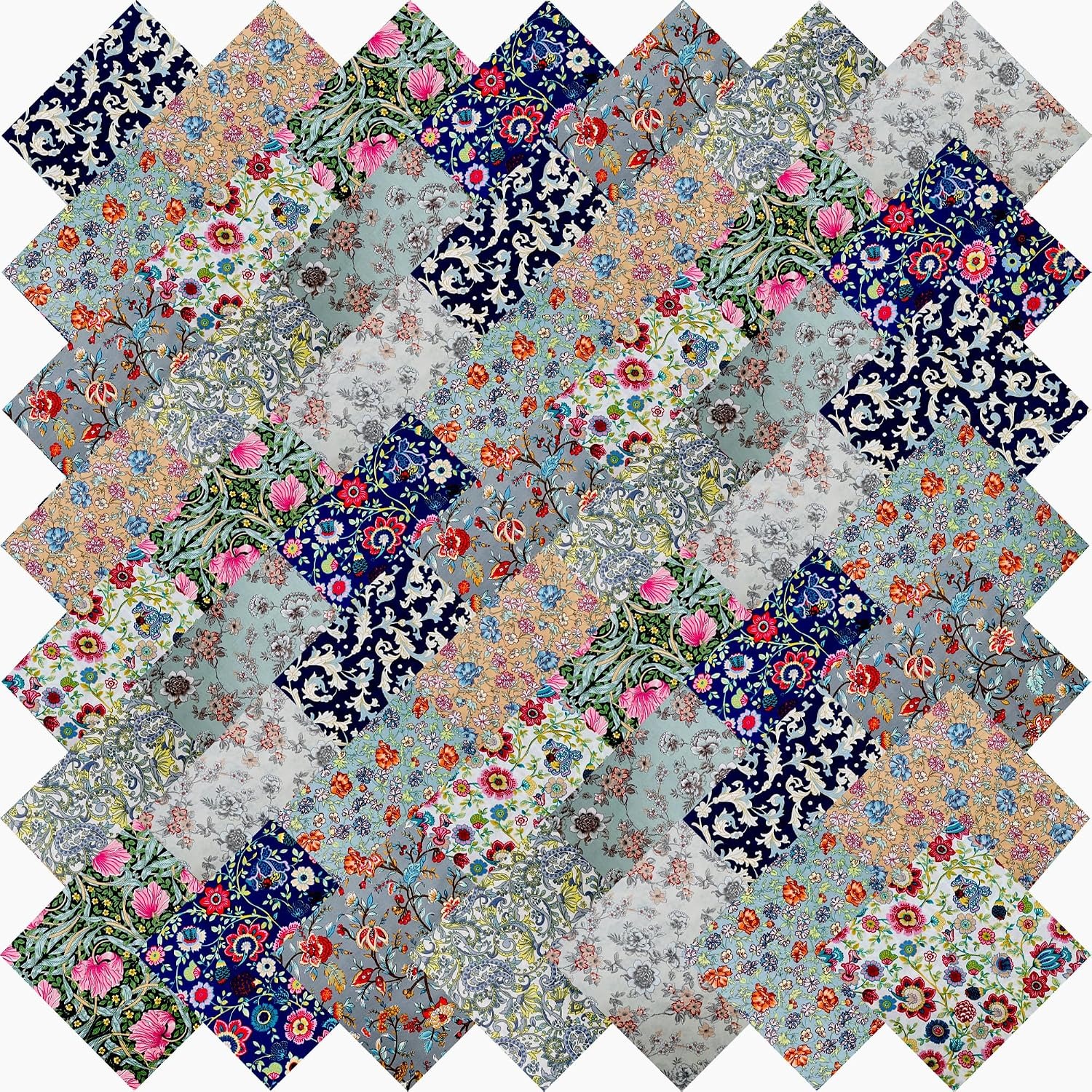
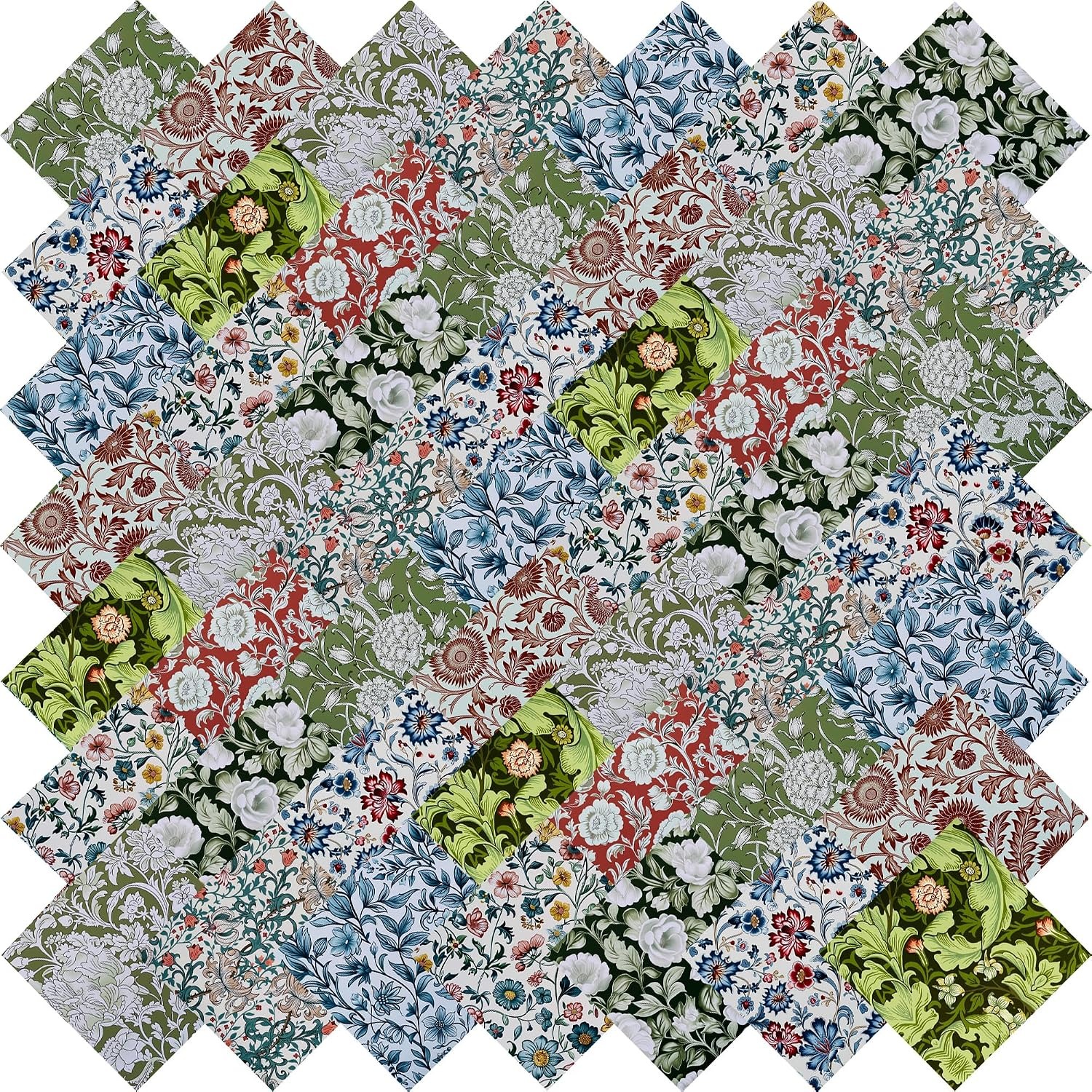
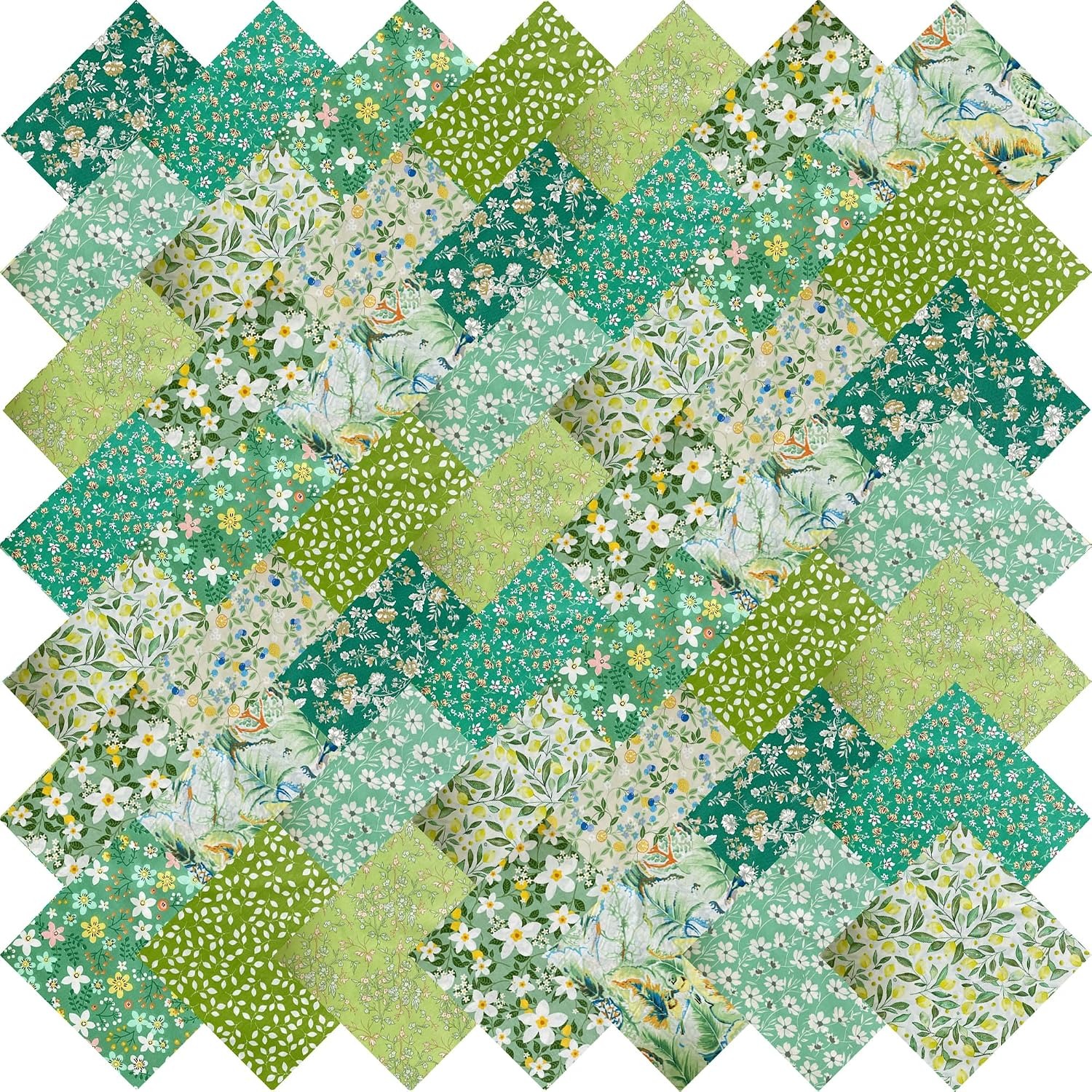
This pack contains 50 floral cotton squares. Each measures 12.7 x 12.7 cm, or 5 x 5 inches. You get 50 different floral patterns, with one piece of each, so there is room to play with the arrangement before you sew.
The main question is whether that size and assortment suit your plan. A cotton quilting bundle is an ingredient, not a complete kit. It helps to choose a project first, then check what else you will need.
What charm pack squares do for you
Charm pack squares give you a repeated starting shape. Instead of cutting every square from larger lengths of fabric, you can spread the pieces out and begin comparing prints.
That does not mean every pattern can be made without more cutting. Some designs use whole squares, while others divide them into smaller shapes. Read the cutting instructions before you buy, especially when a pattern uses several precut sizes.
These are 5 inch fabric squares, not finished 5 inch patchwork blocks. Seams take up part of each piece, and trimming may reduce it further. Use the finished measurements in your pattern when planning a cushion, quilt panel or other sewn item.
The pack is sold as precut pieces.
Understanding the fabric details
The fabric is described as 100% cotton with a sateen weave and a 200 thread count. The product details also use the term Satin in the weave field. Those are the listed details, rather than a promise about how the fabric will perform in every project.
Weave and fibre content are useful when comparing materials, but they do not tell you everything. The maker does not specify shrinkage, colourfastness test results or a pressing temperature. If those points matter to your design, allow time to test before committing the whole pack.
The listed item weight is 80 g. This is not a fabric weight per square metre, so it should not be used as one when comparing cloth. For a project that requires a particular fabric weight or stiffness, seek that information before ordering.
Working with 50 different floral patterns
A floral charm pack can be enjoyable because you do not need to repeat one print throughout the work. Here, each of the 50 patterns appears once. That gives the project variety, but it also means you should not rely on having several matching pieces.
Start by laying out the squares without sewing them. Look at which prints catch your eye first and which sit more quietly in the background. Move a few pieces, step back, and see whether the balance feels right.
The exact colour palette and individual design names are not specified by the maker. Use the images as a visual guide, but avoid building a project around an exact colour match that has not been confirmed.
If your pattern depends on repeated matching blocks, check its requirements carefully. A varied assortment works differently from a pack containing several copies of each print.
Choosing a manageable first project
For a first attempt, a small patchwork panel lets you practise joining squares without committing to a large quilt. You can focus on seam consistency and keeping the rows in order.
A patchwork cushion cover is another possible direction. The squares can form the front panel, while your chosen pattern tells you what you need for the back and closure. Do not assume those extra materials come with the pack.
Small sewing projects such as pouches can also use pieced panels. They may need lining or interfacing to create the shape you want. Check those needs before cutting, since fabric squares alone do not make a complete bag kit.
If you prefer a quilt, choose the pattern before deciding how many packs to buy. The number of starting squares is only one part of the calculation.
Checking quantity before you order
Count the pieces your pattern calls for and compare that number with the 50 squares supplied. Then check whether all those pieces must be different, repeated or grouped by colour.
A design that needs matching pairs may not suit an assortment with one piece of each print. You might prefer a layout that treats each square as its own part of the whole.
Also read the requirements for background fabric, borders and backing. Those materials can change the finished size and look far more than the precut count alone suggests.
Avoid estimating a quilt's final size by simply placing 50 unsewn squares side by side. Seams and trimming change the measurements. The pattern should be your guide to finished dimensions and total fabric needs.
Planning the layout before sewing
Give yourself a clear surface and arrange the patchwork fabric squares where you can see them together. It is easier to change a layout at this stage than after joining rows.
Take a photo once you find an arrangement you like. The photo can help you spot a misplaced piece and gives you a reference if you need to clear the table.
Keep rows in order as you lift them. A simple label or a separate stack for each row can save confusion, especially when every floral pattern is different.
Before sewing the main panel, check your seam allowance against the pattern. A consistent seam matters more than working quickly. Small differences can add up across several joined squares.
What to check when the pack arrives
Open the packaging carefully and keep it until you have decided the fabric suits your project. Count the pieces and check their condition before washing or cutting anything.
Compare the supplied size and floral assortment with the maker's description. Then look again at your pattern, including any preparation steps you may have missed.
This is also the right time to decide whether the prints work together for your purpose. You can arrange the unused squares without making a permanent change to them.
The stated return conditions require the fabric to be unwashed, uncut, unused and in its original packaging. Inspecting first gives you a chance to make that decision before starting work.
Care and preparation without guesswork
Cold water is the stated care instruction. The maker does not provide a specific washing cycle, drying method or ironing temperature, so do not treat an unstated setting as approved.
Prewashing small precuts needs thought. Washing can affect dimensions and cut edges, which may matter when your pattern expects the full starting size. Follow the pattern's preparation advice and consider a small test before treating all the pieces.
Likewise, test before placing contrasting fabrics together if colour transfer would spoil the result. The maker does not provide colourfastness or shrinkage results.
Once the squares become a finished item, care also depends on the other materials you add. Backing, lining, batting and closures may have their own needs. Plan care for the whole project rather than the cotton alone.
Choosing for gifts and deadline projects
Fabric squares for crafts can be a thoughtful gift when you know the recipient likes floral prints. The 5 inch format is worth checking, since some makers prefer larger pieces or work from patterns with other size requirements.
If you are buying for a planned class or gift deadline, check delivery information for your address before ordering. A lead time is not specified by the maker. Leave room for inspection, preparation and any extra supplies you need.
For change-of-mind returns, the stated window is 14 days from delivery. The fabric must be unwashed, uncut, unused and in its original packaging, and the customer pays return postage. Faulty or wrongly described goods are put right free of charge.
The short version
It offers a way into patchwork without cutting every square from yardage.
Check your pattern's quantity, seam allowance and extra materials before buying. Inspect the pack before washing or cutting, and use cold water for care as stated. With those points settled, you can spend your time on the part that makes the project yours: choosing how the prints come together.