
The complete guide
A Buyer's Guide to Off-White Marine Vinyl Fabric
Start with the panel you need to cover
A worn seat or an unfinished headboard can leave you looking for a small piece of upholstery fabric rather than a whole roll. The hard part is finding material that suits the job and gives you enough room for folds, seams and fixings.
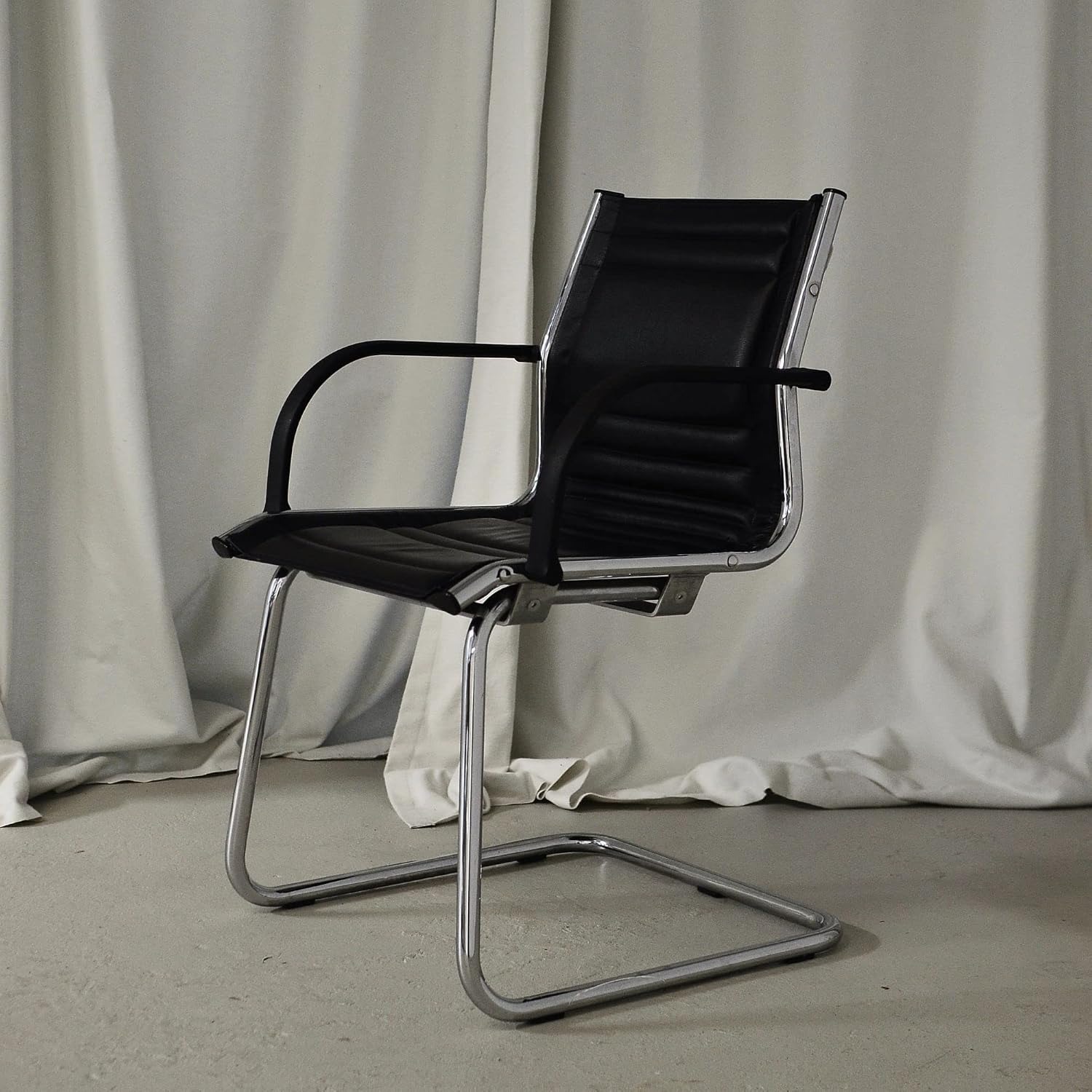
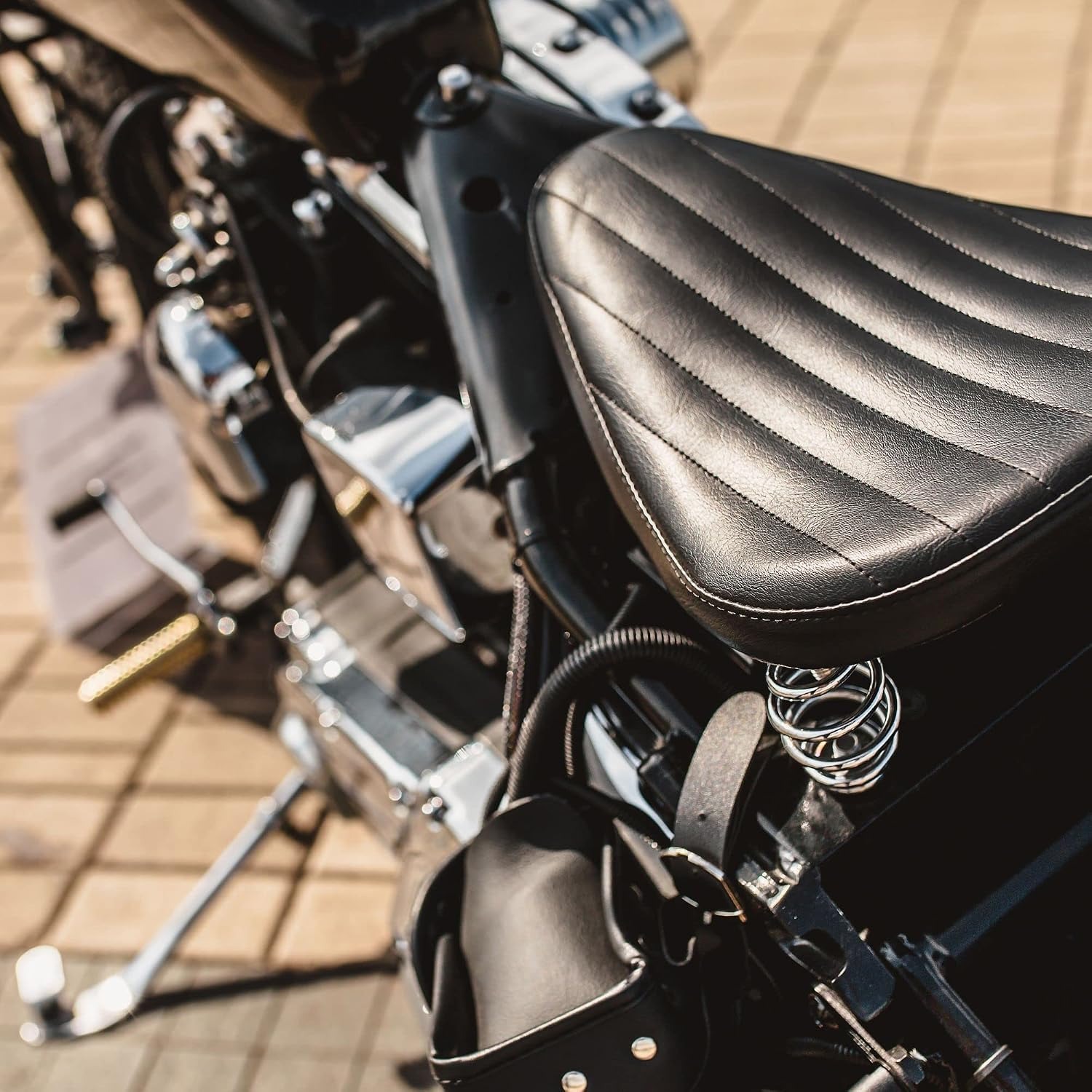
This off-white marine vinyl fabric is supplied as one piece. It is described as 1 yard (90 cm) long and 140 cm wide, with a solid colour and a faux leather fabric type. Its listed uses include boat seats, indoor and outdoor upholstery, nautical accessories, headboards and crafts.
That makes it worth considering for a planned panel or smaller project. Before choosing it, though, start with your pattern rather than the visible size of the seat.
What marine vinyl offers
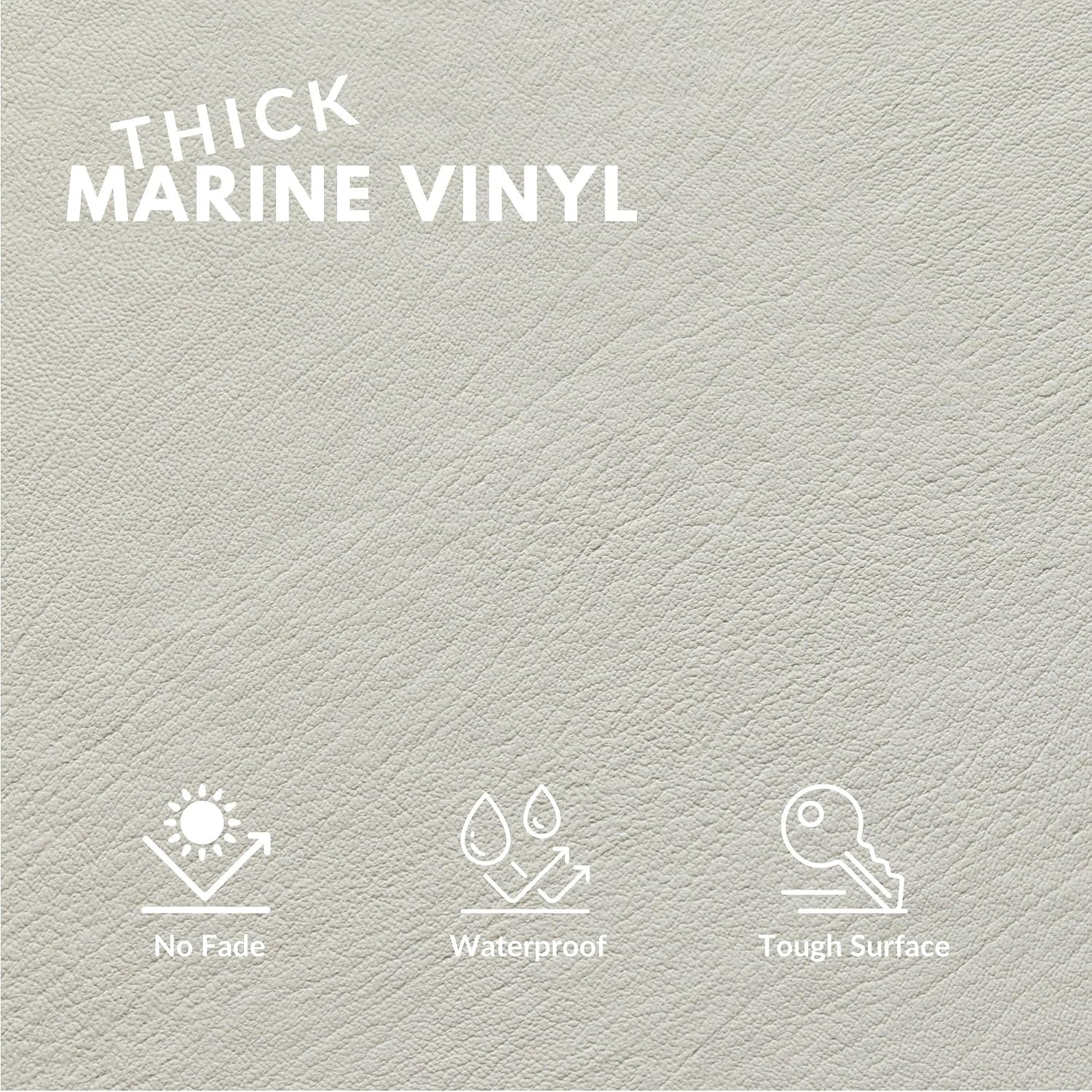
The product details identify this as vinyl, with resistance to water, abrasion, UV and sunlight. Those are useful properties to consider when choosing marine upholstery material for a seat or accessory that may face moisture and daylight.
These claims have limits. No test scores, exposure periods or expected lifespan are given. Water resistance also does not mean that a sewn cover will be waterproof. Stitch holes, joins and the way the cover fits can affect the finished result.
Think of this as a material choice within a wider project. It supplies the covering, while your pattern, base and fixing method shape how that covering works. If your project requires a particular performance rating, confirm it before buying. The word “marine” alone does not establish a test standard.
Understand the supplied size
Size deserves a careful check here. The piece is sold as 1 yard (90 cm) long and 140 cm wide. The maker's description also gives dimensions of 137.16 x 91.44 x 0.1 cm.
Do not plan a tight layout using whichever figure gives you more room. A little uncertainty on paper can become a missing fixing margin once the fabric is cut.
Ordering more than one piece does not establish that you will receive a continuous length. For a long bench or large headboard, settle the layout and supply format first.
The listed weight is 600 g. That is the item weight, not a stated weight per square metre.
Decide whether off white suits the space
Off-white upholstery vinyl can work when you want a light, solid-colour surface without a printed pattern. Here, the listed colour is off white, but the maker does not define its exact undertone.
Look at the other finishes around your project. A seat may sit beside painted trim, flooring or an existing cushion. A headboard may be close to white bedding. Small differences between pale shades can be easy to notice when they sit side by side.
Product photos help you judge the general appearance, but they cannot settle an exact match. Check the fabric in the light where it will be used before making permanent changes. Keep it uncut and unused while you decide whether the colour works.
If you are matching an existing vinyl seat covering, allow time for that check rather than assuming that two items described as off white will look the same.
Match the material to your project
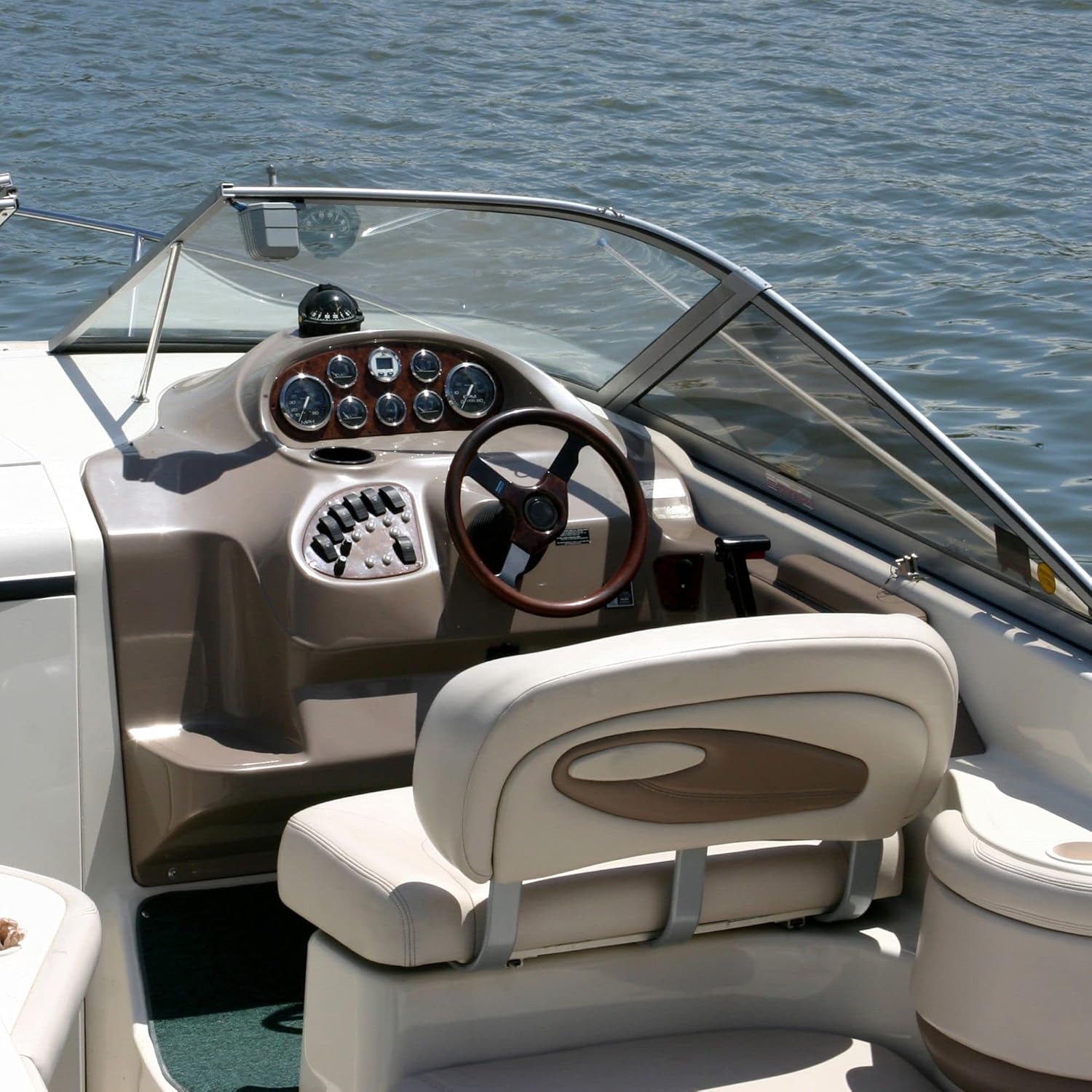
Boat seating is one of the listed uses. For a seat panel, measure more than its top face. Include the sides, any folds and the material needed to attach the cover underneath. Curves and corners may also change the pattern.
For a headboard, measure the depth as well as the front. A piece that covers the visible surface may still be too small to wrap around and secure at the back. Mark the whole outline on paper before committing to fabric.
Smaller uses may be easier to arrange within one piece. Nautical accessory fabric and craft panels can often be laid out separately, but each part still needs its own allowances. Leave space between pattern pieces so one cut does not damage the next.
Indoor upholstery and outdoor upholstery are both stated uses. If the project has special requirements beyond those described, ask about them. The maker does not provide a backing composition, stretch figure or detailed performance rating.
Choose how you will attach it
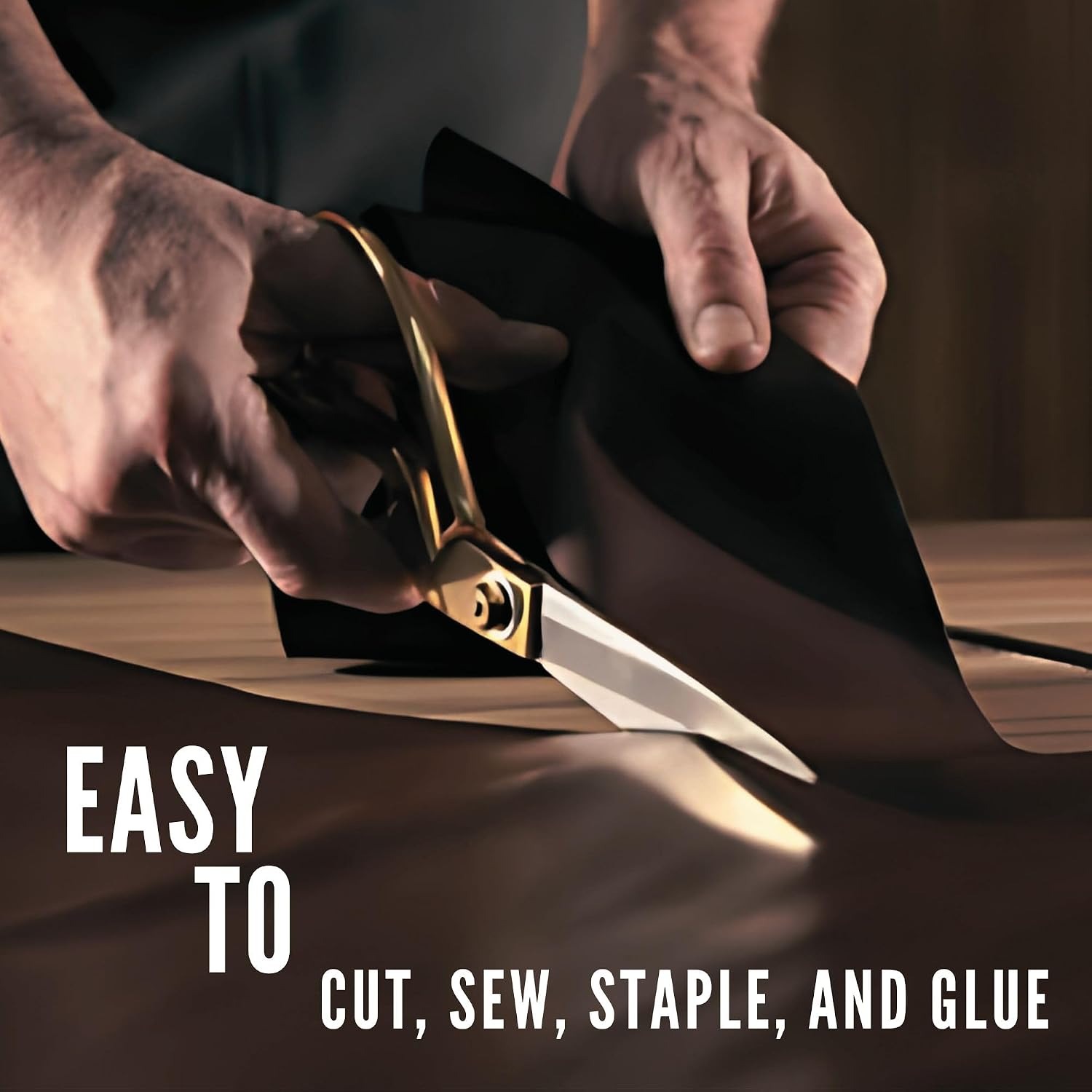
The listed working methods are cutting, sewing, gluing and stapling. That gives you options, but it does not mean every method suits every design.
Sewing may be part of a shaped cover or a joined panel. No needle, thread or machine settings are supplied, so use an offcut to check your setup when possible. It is better to find a problem in a spare piece than along a visible seam.
Gluing calls for a suitable adhesive and a suitable base. Check the adhesive maker's guidance for vinyl compatibility. The maker does not name a glue or promise that all adhesives will work.
Stapling depends on the structure beneath the covering. Check that your base can accept the fixings and that you have left enough fabric to reach them. The fabric description does not include a fastening plan, so work that out before cutting.
Build a full pattern before using the fabric
A paper pattern is a useful way to test a DIY upholstery fabric project without altering the material. Mark the finished outline, then add every seam, fold and fixing margin your design needs.
Lay all parts out together. This helps reveal whether a single piece is enough and whether you have left room to cut cleanly. Do not forget parts that are hidden when the work is finished, such as a return around a seat edge.
Take another look at the layout before making the first cut. Check which side of each pattern piece should face up and where any joined edges will meet. A solid colour removes pattern matching from the task, but shape and orientation still matter.
If you are replacing an old cover, it may help you understand the original construction. Treat it as a guide to check, not proof that every measurement will transfer without adjustment.
Be realistic about outdoor use
Outdoor upholstery vinyl has to suit the conditions where you intend to use it. This material has listed resistance to sunlight, UV and water, but there is no stated limit for exposure or a promise of permanent colour stability.
Consider the whole seat or cover. Water may reach foam through seams or collect in parts of a finished design. A water-resistant outer material does not answer every question about drainage, storage or the base underneath.
For demanding outdoor work, identify the performance details you need before ordering. If you need a specific test result, ask for it rather than reading it into a general resistance claim.
This also applies to wear. Abrasion resistance is listed, but there is no score that lets you compare it directly with a tested commercial upholstery fabric.
Care for it without guessing
The supplied care instruction is hand wash only. The maker does not give a washing temperature, approved detergent or stain-removal process.
Start cautiously with cleaning products. Check that a product is suitable for vinyl and test it in a hidden area before treating a visible panel. Avoid abrasive tools that could affect the finish.
Do not assume machine washing or direct ironing is suitable. Neither is supported by the care details. If creases or a stubborn mark need treatment, seek advice before applying heat or a strong cleaner.
Allow the fabric to dry before storing it. Keeping it clean and dry also makes it easier to inspect before the next stage of your project.
Check the order before changing the fabric
When the piece arrives, check its colour, condition and usable measurements before washing or cutting. Compare it with your full pattern while you can still leave it unchanged.
For Canadian orders, the delivery lead time is not stated by the maker. Check the estimate for your address, especially if you are trying to finish a seat or gift by a set date.
Returns are available within 14 days of delivery for fabric that is unwashed, uncut, unused and in its original packaging. The customer pays return postage for these returns. Keep the packaging while you inspect the piece and decide whether it suits the job.
Faulty or wrongly described goods are put right free of charge. If something appears wrong, raise it before starting work rather than trying to cut around the problem.
The short version
This one-piece off-white vinyl fabric is an option for planned upholstery, nautical accessories and crafts. It has a faux leather fabric type, several stated working methods and listed resistance to water, abrasion, sunlight and UV.
The key step is checking fit. Then inspect the piece before making changes. That gives you a clearer basis for deciding whether this fabric belongs in your project.