
The complete guide
A Practical Guide to Choosing and Using White Tulle
Small details need the right fabric format
A bow that looks simple in a photo can take more fabric than you expect. Long tails, full loops and a secure tie all use up length. When you are making several matching decorations, it helps to start with a fabric format that fits the job.
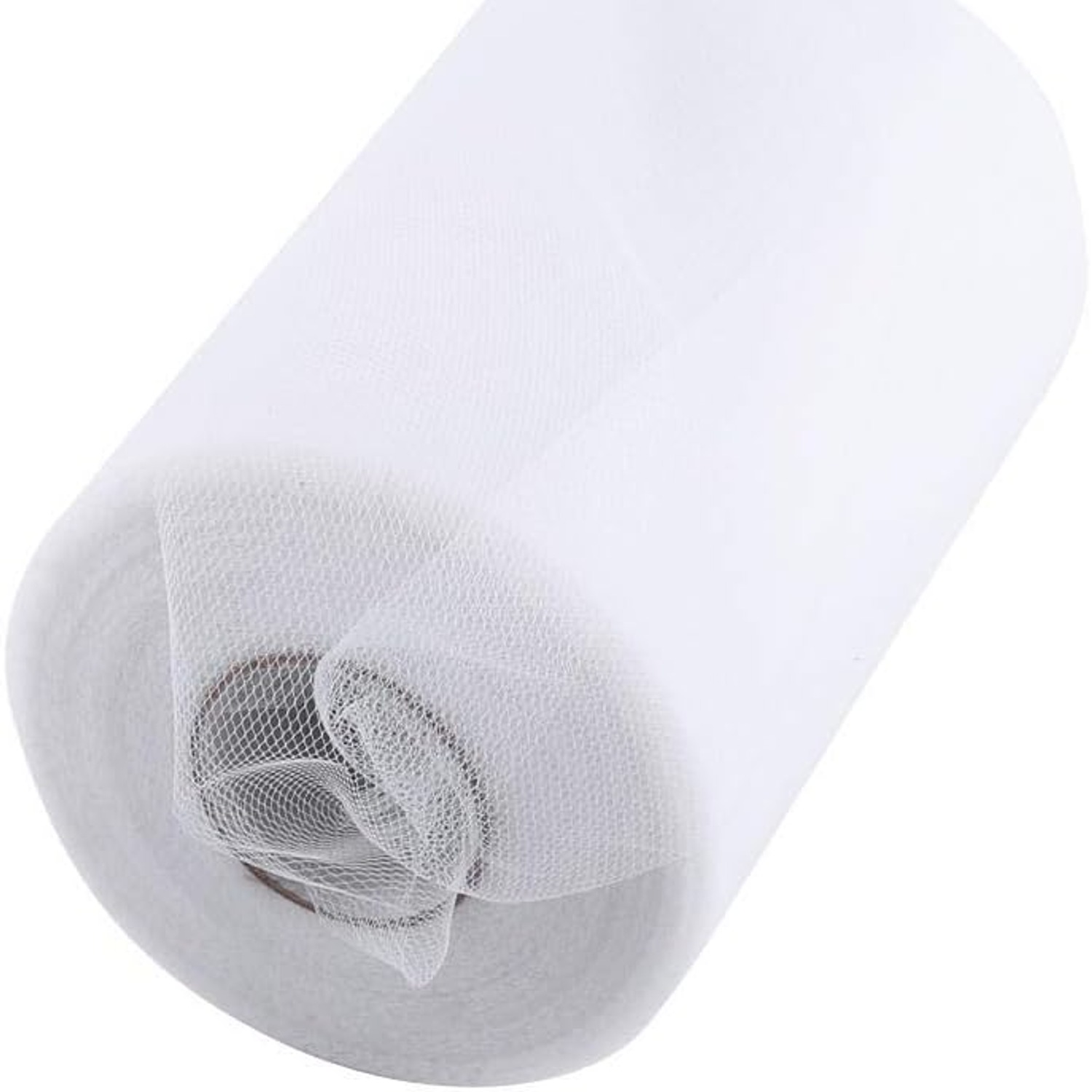
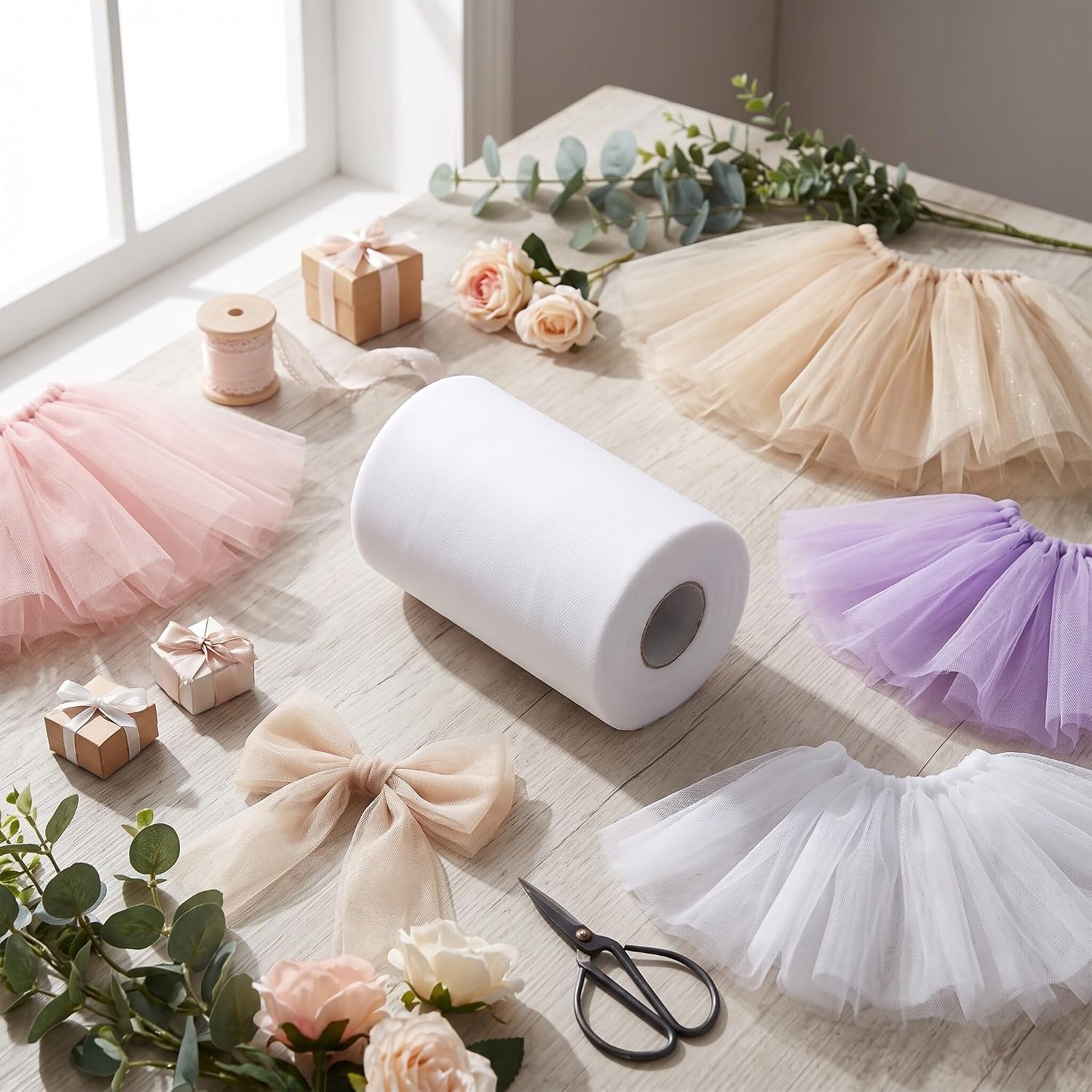
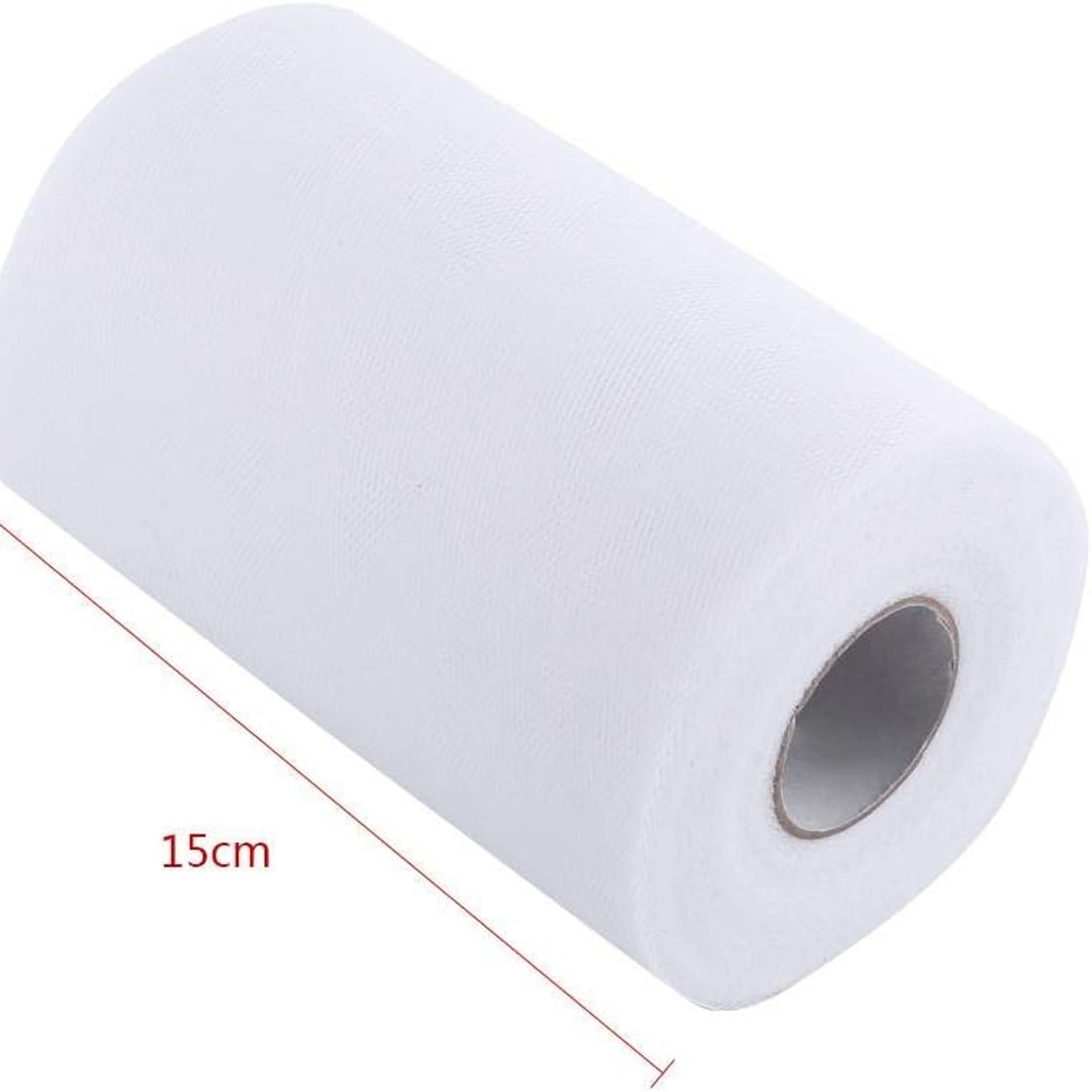
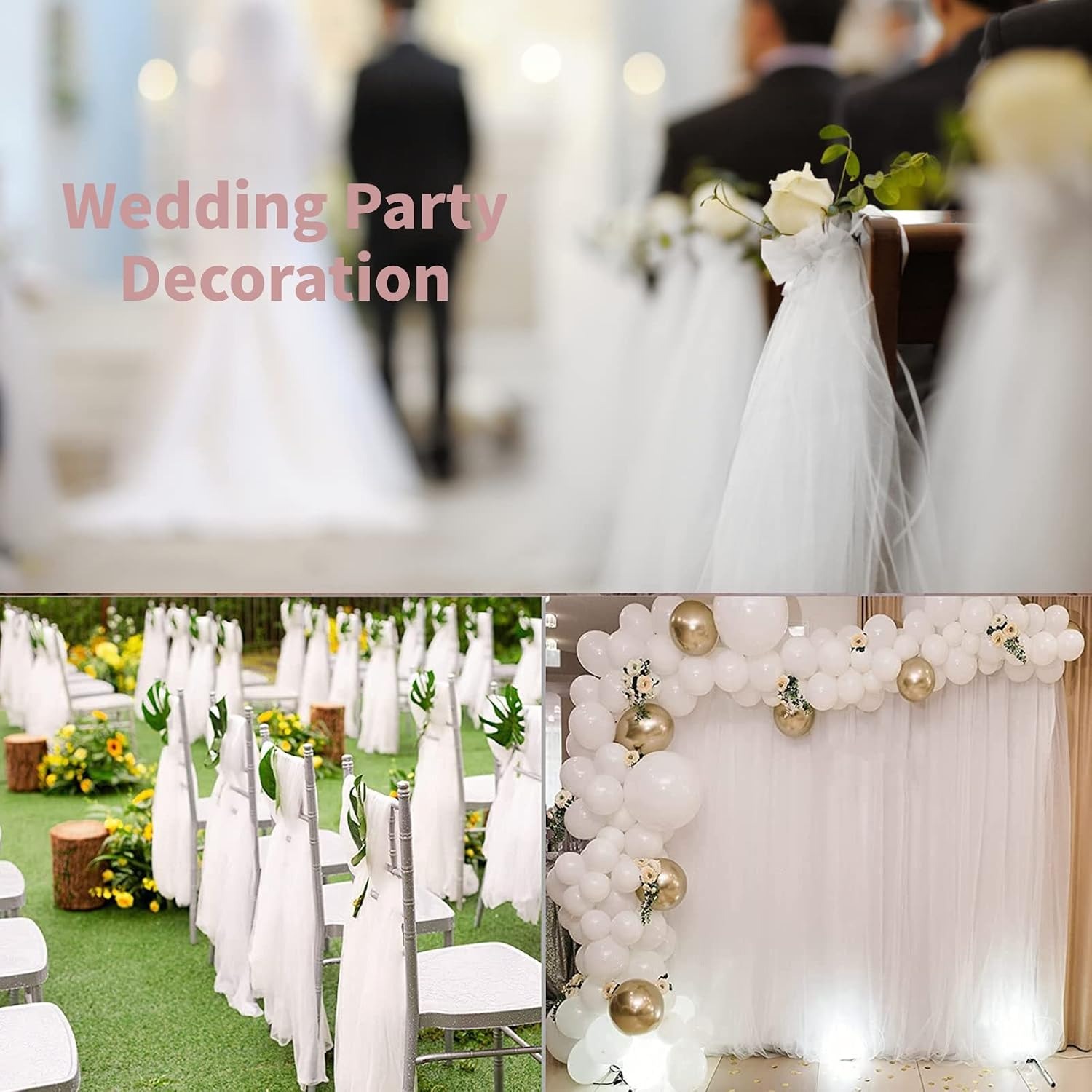
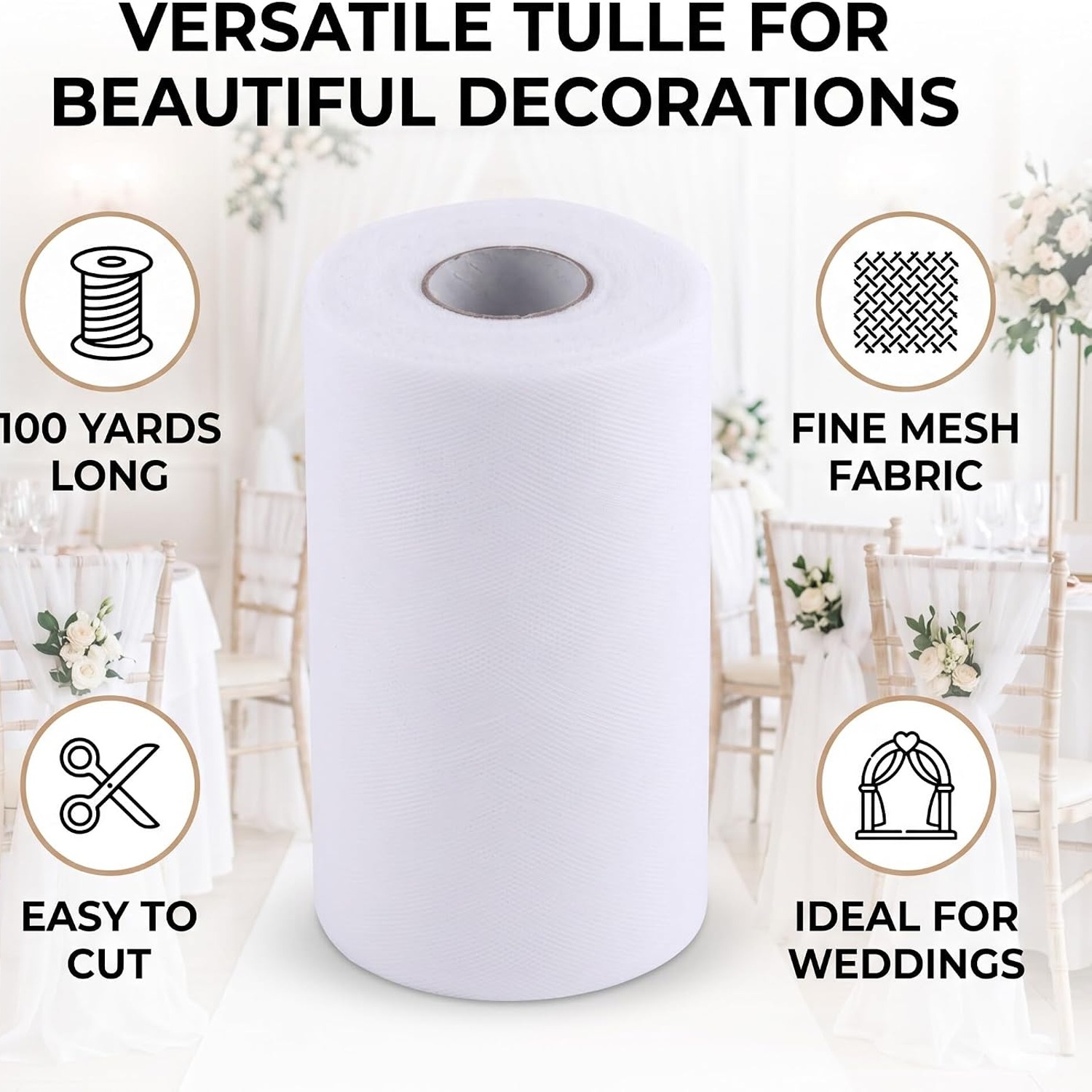
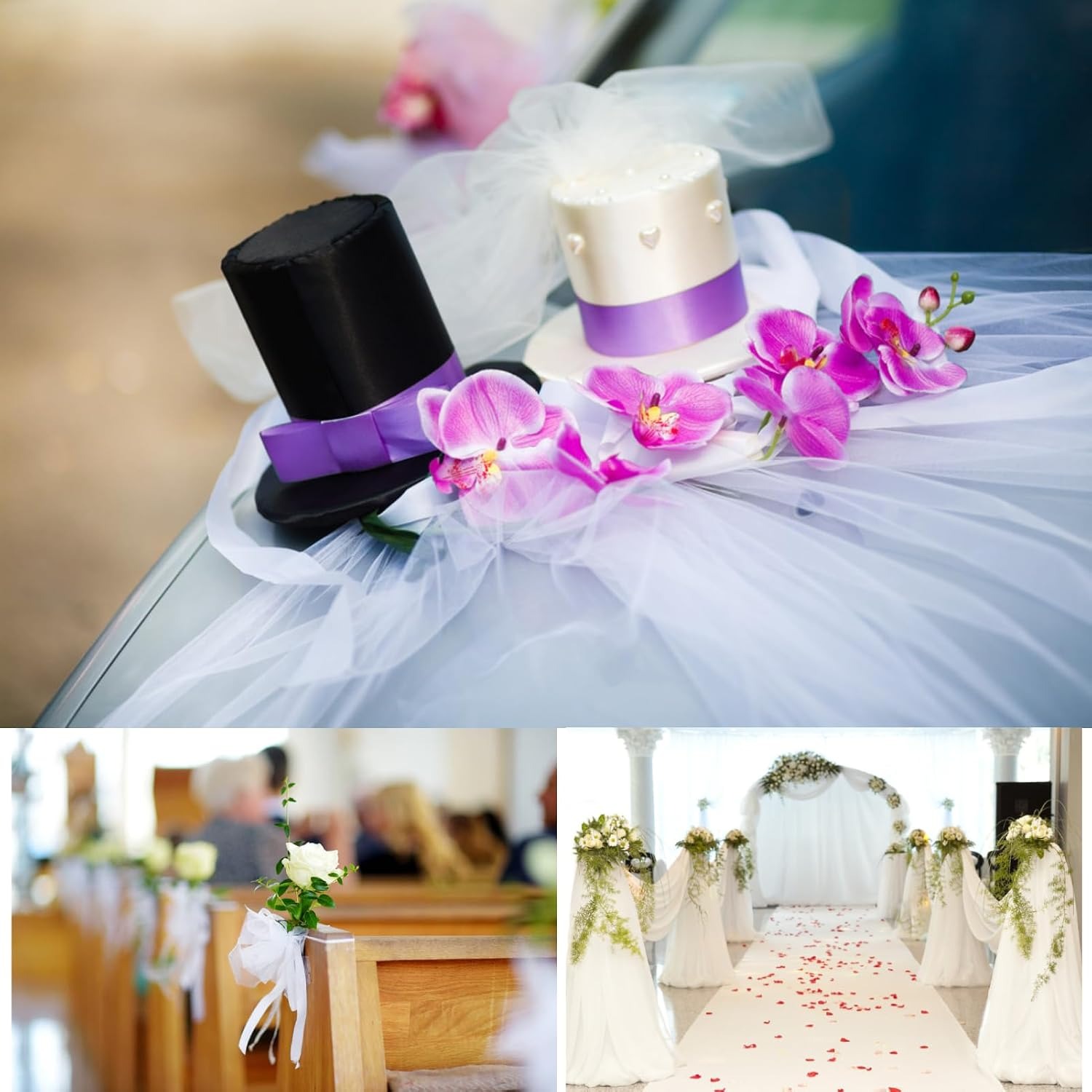
This tulle fabric roll is one spool of white mesh, 15 cm wide and 100 yards long, approximately 91 m. It is intended for craft work and decorative uses such as chair bows, gift wrapping and wedding favours. You cut the pieces yourself.
The main buying question is whether that narrow width suits your design. A long spool can supply many separate lengths, but it does not give you a wide sheet. Checking that difference early can save a lot of redesigning later.
What the spool gives you
The fabric is listed as 100% polyester with a fine mesh structure. The product details also name a leno weave and a floral pattern. They do not give a mesh opening size, stiffness rating or stretch measurement.
Those missing details matter if your project needs a very particular finish. A bow with upright loops may call for a different feel from a loose fabric accent. Do not assume this tulle will hold a certain shape simply because another roll you have used did.
The stated weight is 120 g. This is not a fabric weight per square metre, so it should not be used to compare fabric density with dressmaking materials sold by that measure.
Use the supplied measurements as your starting point. Then judge the look and feel of the uncut fabric before moving on to a full set of decorations.
How tulle works in a decoration
Tulle is a mesh fabric, so the way you arrange it becomes part of the design. A single layer and a gathered section will not look the same. Folding, looping and layering change how much fabric sits in one place.
For a bow, the length must cover the loops, the centre tie and the tails. For a favour wrap, it must reach around the item with enough left to close the top. A flat trim may need much less allowance than either of these.
This is why a test piece is more useful than a rough guess. Arrange one example in the way you intend to use it. Look at it against the actual chair, gift box or table setting, rather than judging the fabric on its spool.
Who this narrow roll suits
A narrow tulle roll makes sense for someone working on repeated small details. You might be preparing wedding favour wrapping, adding bows to chairs or finishing gift packages. The 15 cm width gives each piece a defined starting size.
It also suits craft projects where you want to cut separate strips without first dividing a broad fabric panel. Tulle sewing trim is another listed use, though the right attachment method will depend on your project.
It is less straightforward for anything that needs a broad, continuous surface. If your sketch calls for a wide table covering or a full fabric backdrop, consider how narrow strips would fit into that plan. Length alone does not solve a width mismatch.
Choosing tulle for chair bows
Start with the chair, not with a standard bow estimate found elsewhere.
Measure the route the fabric will take around the chair. Add enough length for the bow you want, including its tails. If you intend to use several layers, include each one in your calculation.
Make one sample and view it from a few steps away. This helps you decide whether the proportions work. A small bow can look quite different once it sits in a large room.
Check with the venue before fitting decorations. Ask where you may attach them and whether any fastenings are restricted. Keep the fabric clear of walking routes and moving parts of chairs.
Planning favour wraps and gifts
For tulle gift wrapping, begin with the finished gift rather than the empty packaging. Measure it with its contents in place, since a filled bag or box may need more room than expected.
Try a paper mock-up at the same 15 cm width before cutting fabric. This is a useful way to see whether the material will reach around the item. It also makes a width problem clear without using your tulle.
Once you are ready to test the actual fabric, make one complete wrap. Include any ribbon or other closure you plan to use. The length needed for a tidy finish can be greater than the length needed simply to cover the object.
This fabric is listed for decorative wrapping. The maker does not state that it is suitable for direct food contact, so keep edible favours in their own suitable packaging.
Working out how much you need
The most reliable estimate comes from a finished sample. Measure the cut length used for that sample, then multiply it by the number of pieces you need.
For example, a project using one metre per decoration would use one metre for each finished piece before any extra allowance. A design using two metres per piece would use twice as much. These are planning examples, not promised yields from this spool.
Allow for trial pieces, cutting errors and changes to the design. You may also want spare decorations for replacements or last-minute additions.
Keep your units consistent. Choose one unit for your cutting list and write down each measurement clearly before you start.
Check the appearance before cutting
White tulle can sit beside many other materials, but the maker does not provide a precise white shade reference. If you need a close match to table linen, ribbon or clothing, compare them together.
Use the lighting that is closest to your event setting where possible. Also look at the fabric against its intended background. Mesh allows the surface behind it to affect what you see.
The listed floral pattern is another detail to check in the product images and on arrival. Its scale is not specified by the maker. If your design depends on a plain appearance or a particular motif size, resolve that question before cutting.
Keep the packaging while you make these checks. Once the fabric is cut or used, it no longer meets the stated change-of-mind return conditions.
Cutting and assembling your pieces
Work on a clean, flat surface with enough room to lay out your measured length. Keep the mesh relaxed rather than pulling it tight. Pulling can make it harder to judge the shape you are cutting.
Use fabric scissors and work slowly around curves or shaped pieces. For a repeated design, a paper template can help keep the pieces consistent. Label the template with the project name and measurement so it is easy to reuse.
If you are sewing the mesh onto another fabric, test the stitching on an offcut first. Check how the two materials sit together before attaching a long section.
For bows or wraps, finish one complete item before preparing the rest. A small adjustment to the first piece is much easier than changing a whole stack of cut lengths.
Care and storage
Machine washing appears in the product details, but no temperature or cycle is stated. Check any care information supplied with the spool before washing it. Ironing and tumble-drying instructions are not provided by the maker.
A finished craft may also include ribbon, stitching or other materials with different care needs. Consider the whole item rather than treating the tulle's care information as instructions for every part.
Store unused fabric clean and dry. Wind it neatly on the spool and keep it away from sharp tools or rough fastenings that could catch the mesh. Store completed decorations where they will not be crushed by heavier supplies.
Ordering for an event and knowing your options
A fixed event date needs a little planning room. The maker does not include a delivery timeframe, so check the delivery information when ordering in Canada. Leave time to inspect the fabric and make your trial piece before a group craft session.
The return window is 14 days from delivery. For a change-of-mind return, the fabric must be unwashed, uncut, unused and in its original packaging. The customer pays return postage.
If the goods are faulty or wrongly described, they are put right free of charge. Check the spool on arrival so any concern can be raised before you begin the project.
The short version
Choose this white tulle spool when your project calls for a 15 cm wide mesh strip and you want to cut your own pieces from one 100-yard roll. Its listed uses include bows, wedding details, gift wrapping and sewing trim.
Measure first, make one complete sample and use that sample to plan the rest. The right width and a realistic cutting allowance will do more for your finished project than guessing how far a long spool might go.