
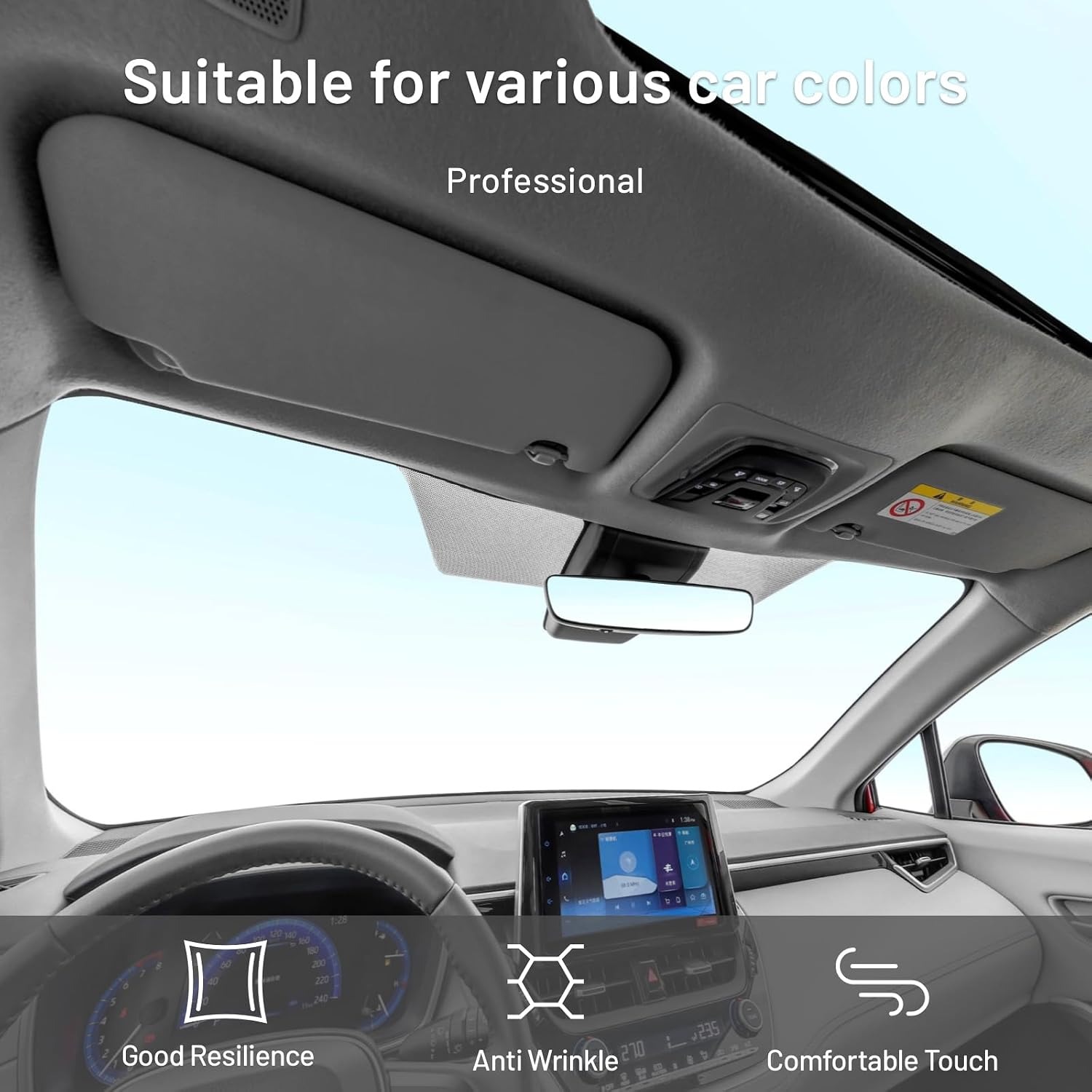
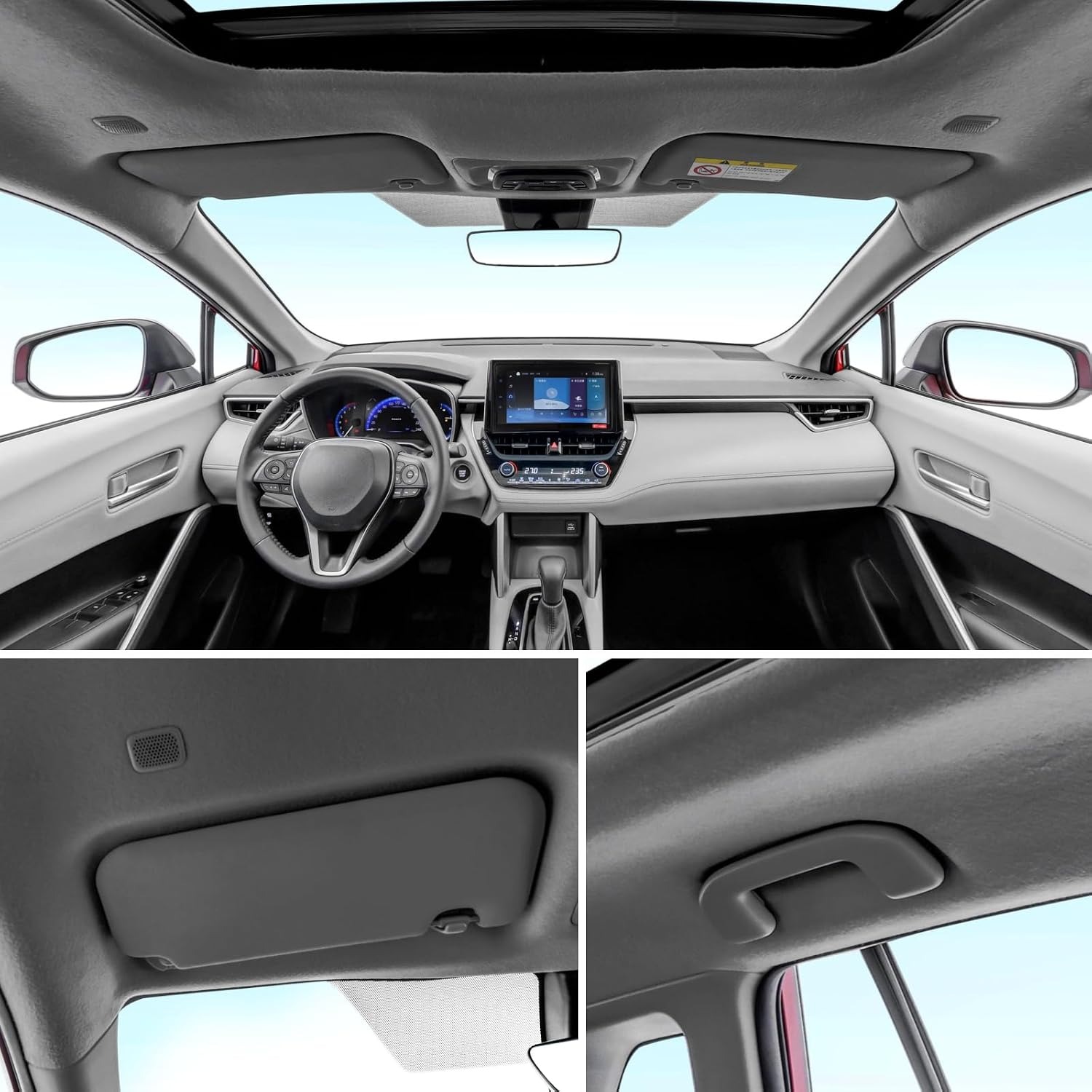
The complete guide
A Buyer's Guide to Grey Foam-Backed Headliner Fabric
A worn or sagging roof lining can make the whole cabin feel tired. Replacing its fabric may be part of the answer, but buying the right material starts with a closer look at the job. You need enough coverage, a suitable backing and a plan for the roof board beneath it.
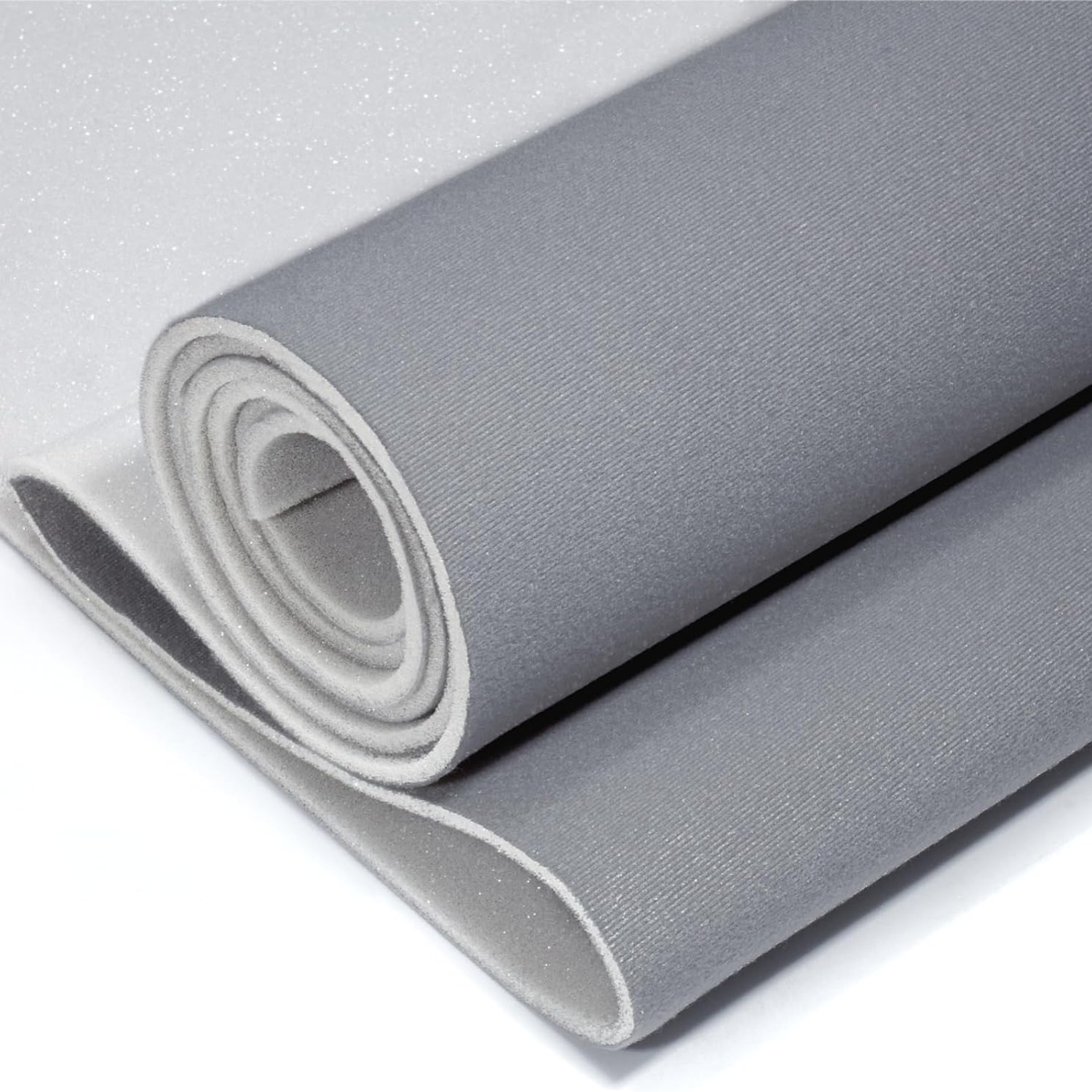
This headliner fabric is supplied as one grey foam-backed piece measuring 244 x 152 cm (96 x 60 in). It is material for a measured project, not a ready-made roof panel. That gives you room to shape it to your layout, provided the dimensions and construction suit the work.
Before choosing it, check what your existing lining needs. A fresh surface will not fix a damaged board or an unsuitable bonding surface.
What you are buying
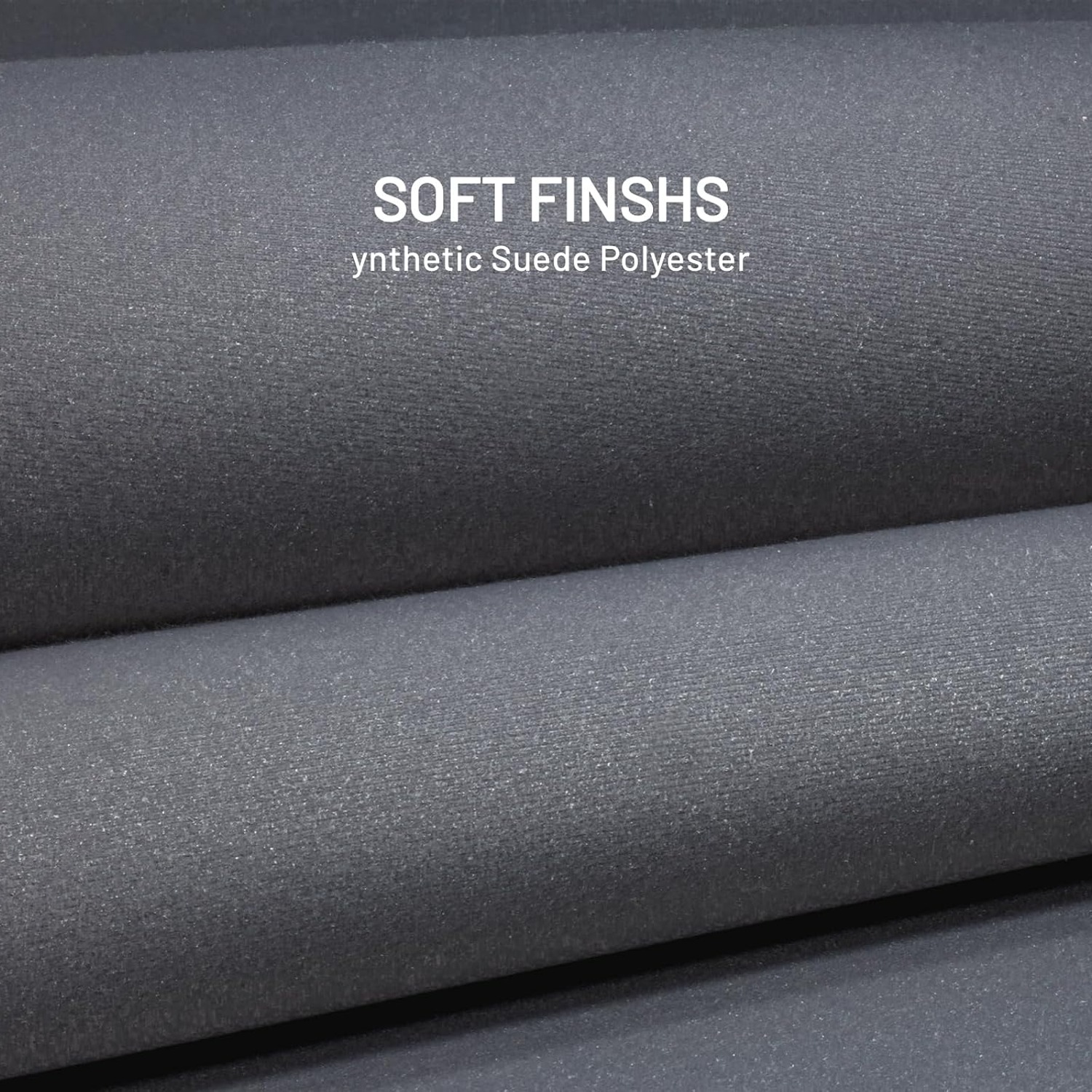
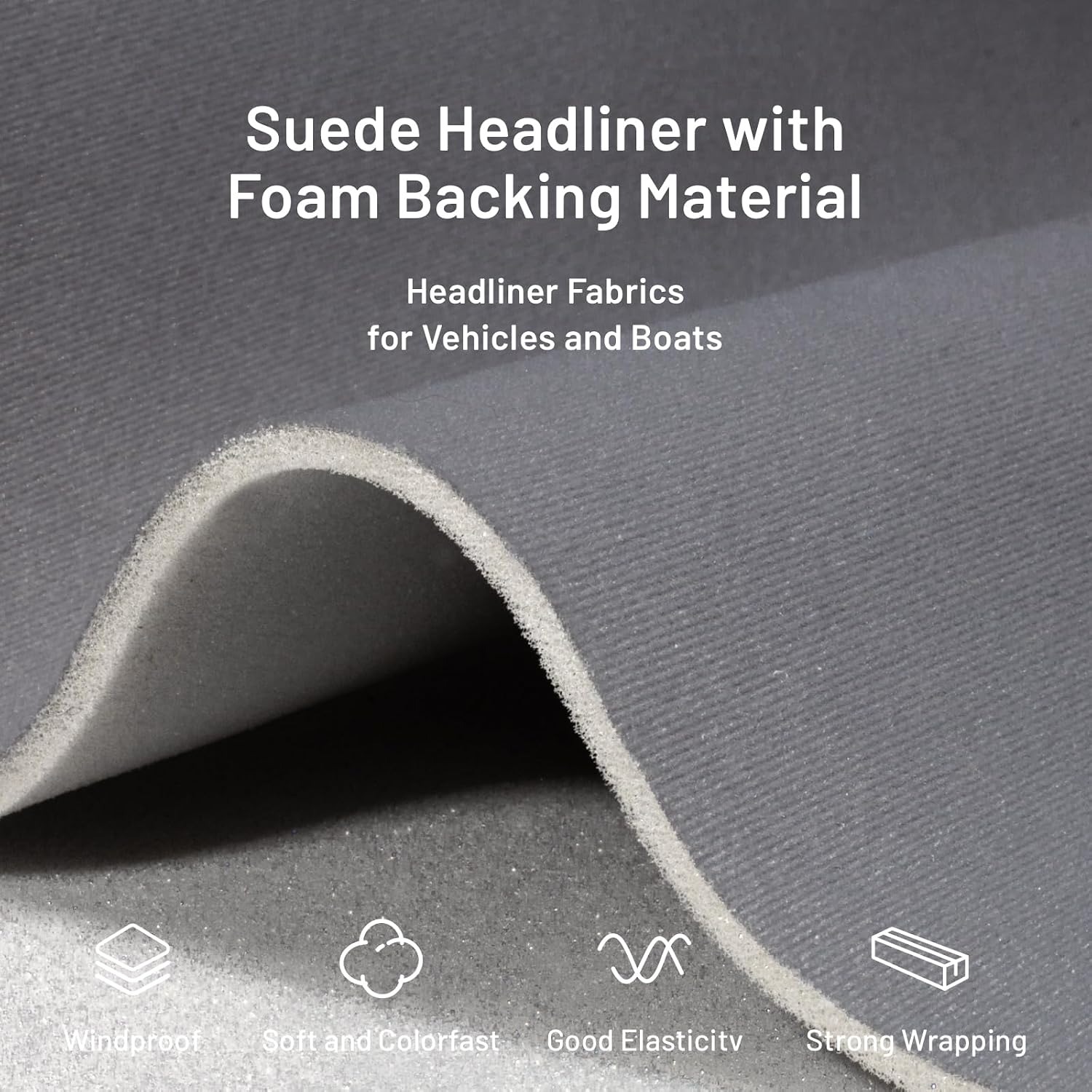
The maker's description is for one piece of foam-backed headliner fabric. The foam is already joined to the fabric, giving it a padded feel. You trim the supplied piece for your project rather than ordering a custom length.
The stated piece size is 244 x 152 cm (96 x 60 in). The product details also description dimensions of 243.84 x 152.4 x 0.1 cm and a weight of 1.04 kg. Use the supplied length and width when making your initial coverage check.
This is not a vehicle-specific kit. No shaped roof board or fitting pattern is described. Adhesive is not listed as included, so check what else your installer or fitting method requires.
How foam-backed roof lining works
A roof lining has to follow the surface beneath it while presenting a tidy face inside the cabin. Foam-backed fabric brings the visible layer and a padded backing together in one material.
That construction does not make it self-adhesive. Nor does it tell you which glue will work with your existing board. The bond depends on the materials involved, the condition of the surface and the adhesive instructions.
For this product, the foam type and separate foam thickness are not given. The fibre composition is also unspecified. If your project calls for a particular construction, get those details confirmed before buying. A description such as foam-backed headliner fabric is useful, but it is not a substitute for a required technical specification.
Measure the board, not just the cabin
A quick measurement across the visible roof can miss the material needed at the edges. Curves, recesses and wrapped sections may all affect the amount you need.
Where possible, work from the actual roof board or a reliable fitting pattern. Measure its full length and width, then consider how the fabric will sit across the surface. Check whether the job needs extra material beyond the visible face.
Compare that layout with the 96 x 60 inch piece in both directions. Having enough total area does not guarantee that the shape will fit. A long, narrow board can exceed one dimension even when its overall area seems small enough.
Do not cut openings at this planning stage. First establish that the whole layout fits within the material available.
Check the condition beneath the fabric
When an old roof lining drops, the visible cloth may not be the only part that needs attention. Inspect the board and any remaining backing before deciding on a repair method.
Do not assume that sticking headliner repair fabric over loose layers will create a sound finish. If the surface underneath is failing, that problem needs to be assessed first. An upholsterer can help decide what preparation is suitable.
Keep preparation separate from product choice. This product tells you the piece size and that the fabric has foam backing. It does not provide a repair method for every roof board.
If trim removal or board handling is unfamiliar, get advice before taking the interior apart. Planning that step early is easier than stopping halfway through a job.
Decide whether grey suits your interior
Grey can be worth considering when planning a roof lining refresh, but an exact colour match is not promised. The maker does not provide a shade code or a match to any vehicle trim.
Look at the surrounding parts of the cabin, including pillars, visors and edging. Decide whether you want a close match or are comfortable with a visible difference. Product photos can help you assess the general appearance, but screens and lighting can change how a shade looks.
If matching existing grey car interior fabric is essential, ask for further colour guidance before ordering. Inspect the actual piece before applying adhesive or making cuts.
Know which details are still unknown
Some projects need more information than the maker's description supplies. Stretch, abrasion performance and temperature limits are not stated. Neither waterproof performance nor any certification is claimed.
The recorded height of 0.1 cm should not be read as a separate foam measurement. There is no breakdown showing the thickness of the face fabric and backing.
These gaps matter most when you have a strict fitting requirement. A deep curve may call for a known degree of stretch, while a specialist restoration may need a specific fabric construction.
Rather than guessing, write down the requirements that cannot change. Check those with an installer or request more product information before treating this vehicle ceiling fabric as a confirmed match.
Choose a fitting method before you start
The right adhesive needs to suit both the fabric backing and the surface receiving it. No particular adhesive is specified here, so seek advice from an adhesive maker or upholsterer.
Explain that you are working with foam-backed roof lining. Describe the board material if you know it, along with the conditions the finished lining will face. Follow the chosen adhesive's preparation, application and curing instructions.
Do not assume that a general craft glue or a product left over from another job is suitable. Check compatibility first.
Also plan where the work will happen. A clean working surface helps keep the visible face free from dirt while you measure and position the material. Leave enough space to lay out the full piece without forcing it into sharp folds.
Is this a sensible DIY project?
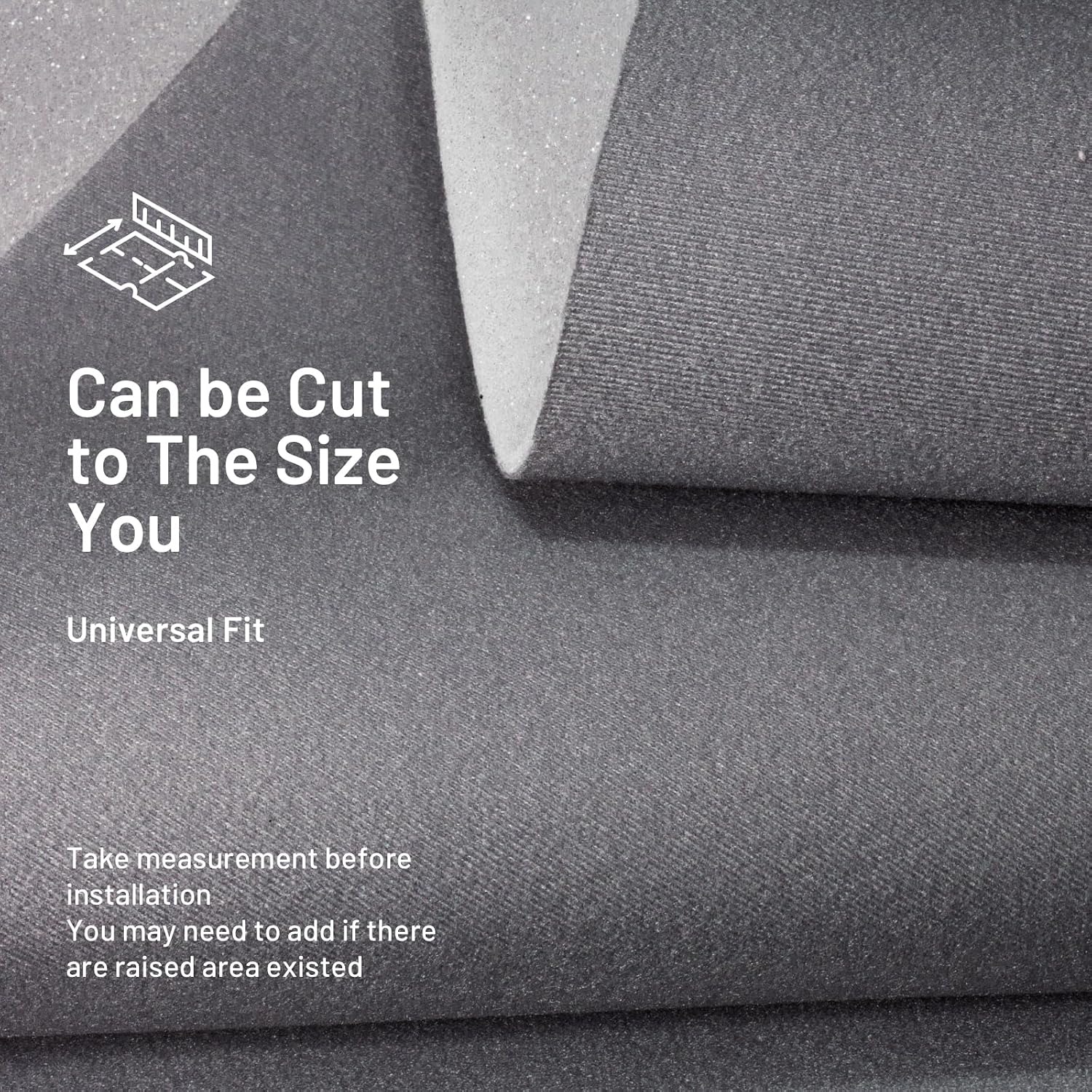
DIY headliner replacement can appeal if you are comfortable measuring, working with trim and handling a large fabric piece. This material can be cut to shape, but that is only one part of the job.
Think through the entire process before ordering. Can you remove and replace the board correctly? Do you have somewhere to prepare it? Are you confident about positioning the fabric before the adhesive sets?
If one of those steps is uncertain, professional fitting may be the better route. You can still choose the material yourself, but ask the installer to approve it first.
For a larger vehicle, do not assume one piece will be enough. Vans and other long roof areas need the same careful dimension check as any car.
Check everything before making the first cut
Once the fabric arrives, inspect its appearance and condition while it is still unused.
Keep the original packaging until you have decided to proceed. Lay out your plan and check the direction of the piece before marking any cutting lines.
Work slowly around openings and edges. An early cut in the wrong place can limit your options later. Use suitable cutting tools and protect the work surface underneath.
The aim of this check is simple. Resolve doubts while the material is still whole, rather than discovering a size or colour problem after fitting has begun.
Care before and after fitting
Before installation, keep the fabric clean and dry. Avoid placing heavy objects on it or pressing sharp folds into the foam backing.
Detailed washing instructions are not given by the maker. Do not machine wash or soak the material without confirmed guidance. If cleaning becomes necessary, test a suitable cleaner on a small hidden area before wider use.
Once fitted, care also depends on the adhesive and installation. Follow any relevant cleaning guidance from the adhesive maker or your upholsterer.
Avoid making assumptions based on other upholstery fabrics. A method suitable for a seat cover may not be right for a foam-backed roof lining.
Delivery and returns worth checking
A delivery timeframe is not given by the maker. Check the delivery details available for your address before booking installation or setting a firm project date.
The return window is 14 days from delivery. To qualify under the stated change-of-mind conditions, fabric must be unwashed, uncut, unused and in its original packaging. The customer pays return postage.
Faulty or wrongly described goods are put right free of charge. If something appears wrong, contact us before altering the piece.
These conditions make the first inspection important. You can assess the material without committing to the irreversible parts of the project.
The short version
Choose this grey headliner fabric if one 244 x 152 cm (96 x 60 in) foam-backed piece meets your measured layout and fitting requirements. It offers material to shape for a roof lining job, not a guaranteed fit for a particular vehicle.
Measure carefully, confirm adhesive compatibility and inspect the piece before cutting. If your project needs a known fibre type, stretch level or foam thickness, get those details confirmed first. A little checking at the start can prevent a difficult compromise later.