
The complete guide
How to Choose and Use Lightweight Fusible Interfacing
When soft fabric needs a little help
A collar can look right on the cutting table yet lose its shape once worn. A pocket edge may need more support than the main fabric gives it. These are the kinds of details where interfacing for sewing can help.
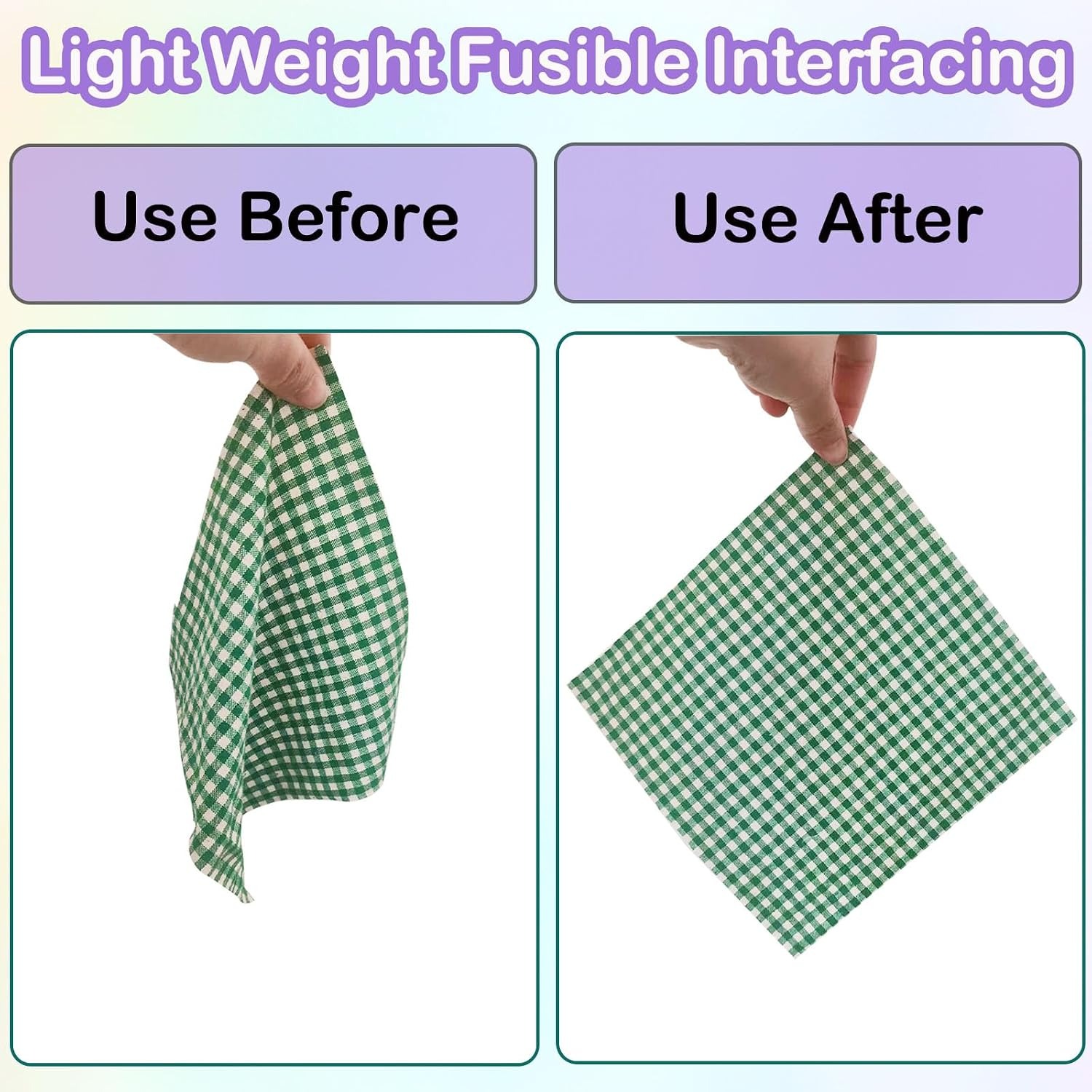
Interfacing sits behind the outer fabric and changes how that section behaves. The aim is not always to make something stiff. Often, you simply want a little more body while keeping the finished piece soft enough to wear or use.
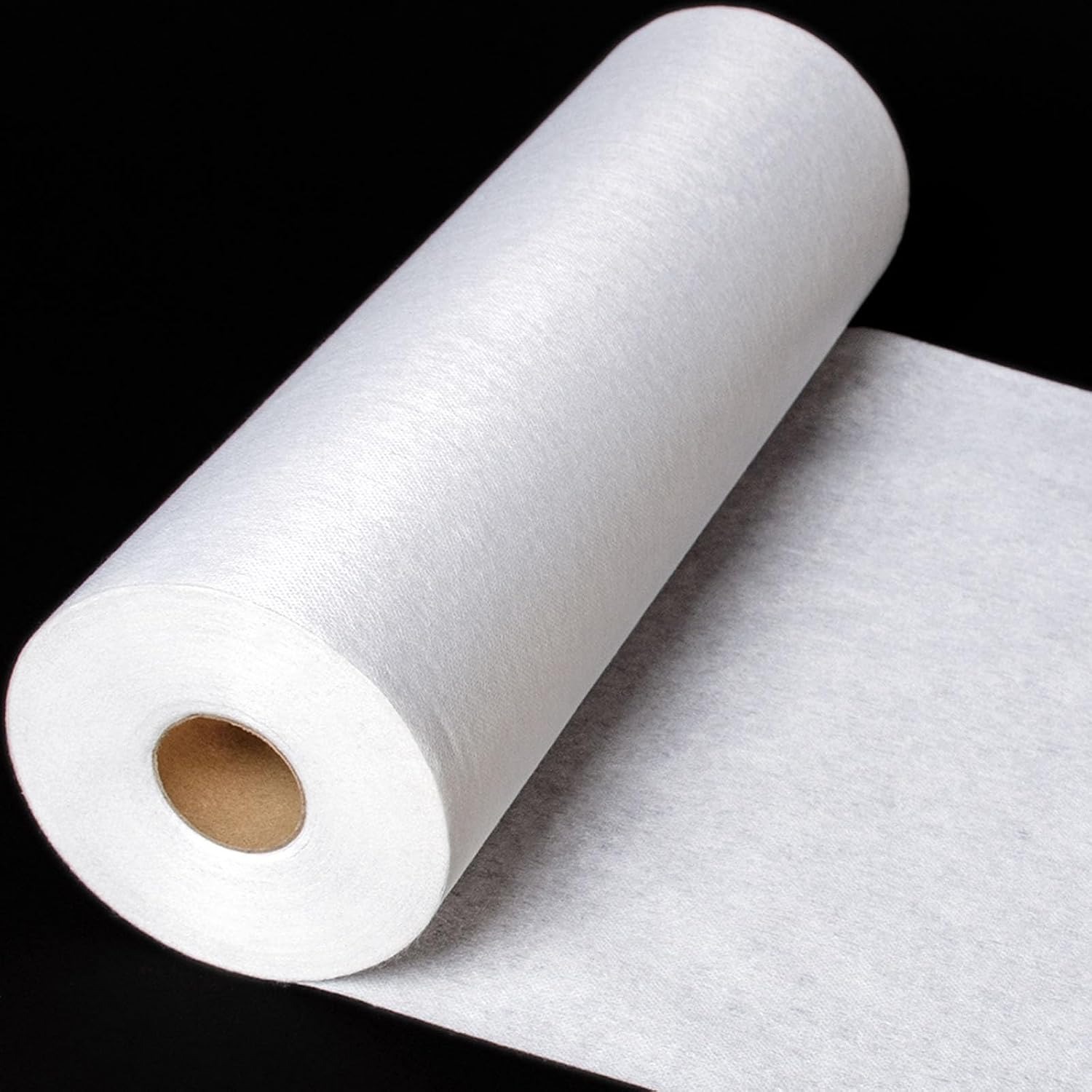
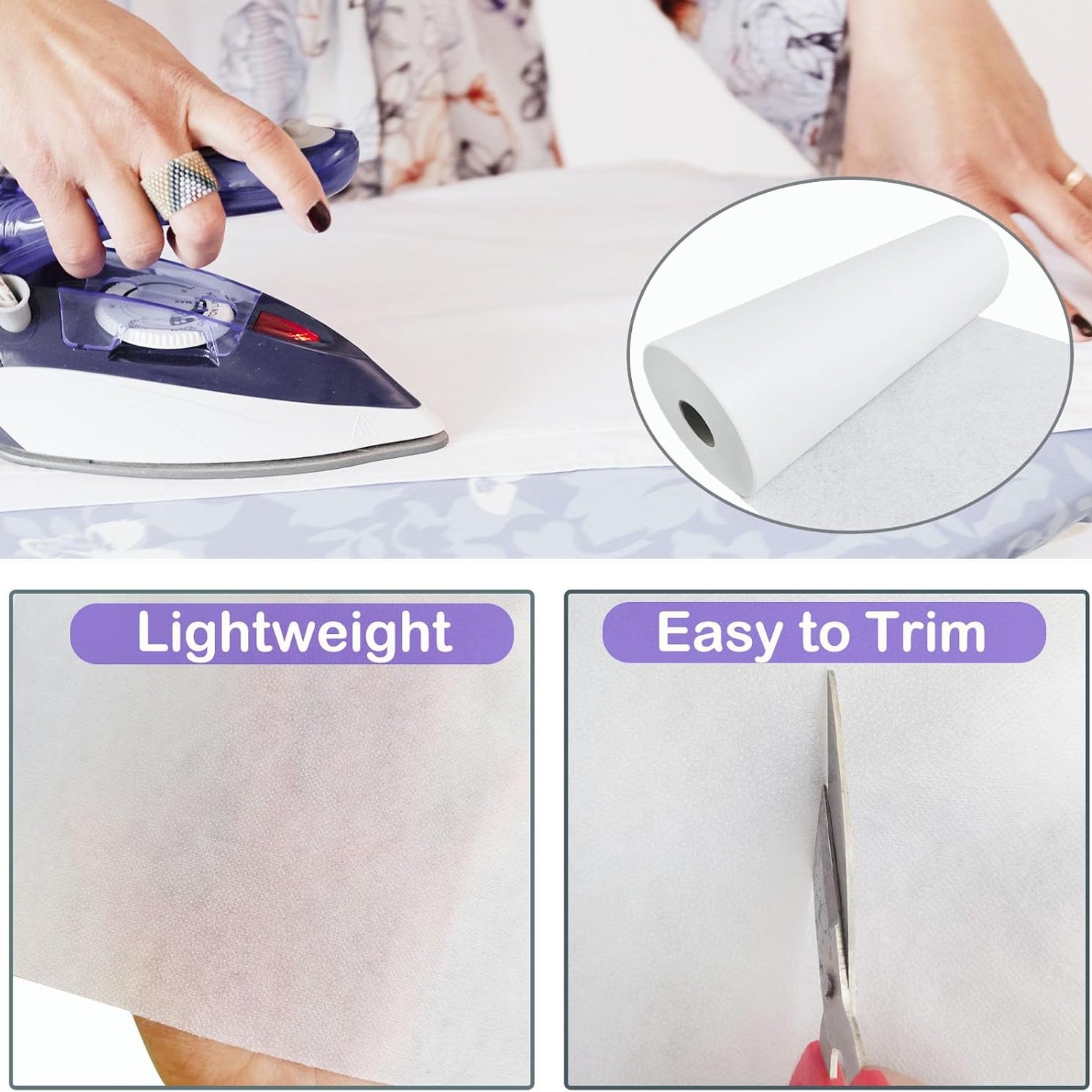
This roll is lightweight fusible interfacing. It is described as thin and soft, with a non-woven construction and an iron-on adhesive. Think of it as a support layer for selected parts of a project, not a replacement for the main fabric or a thick padded filling.
What comes on the roll
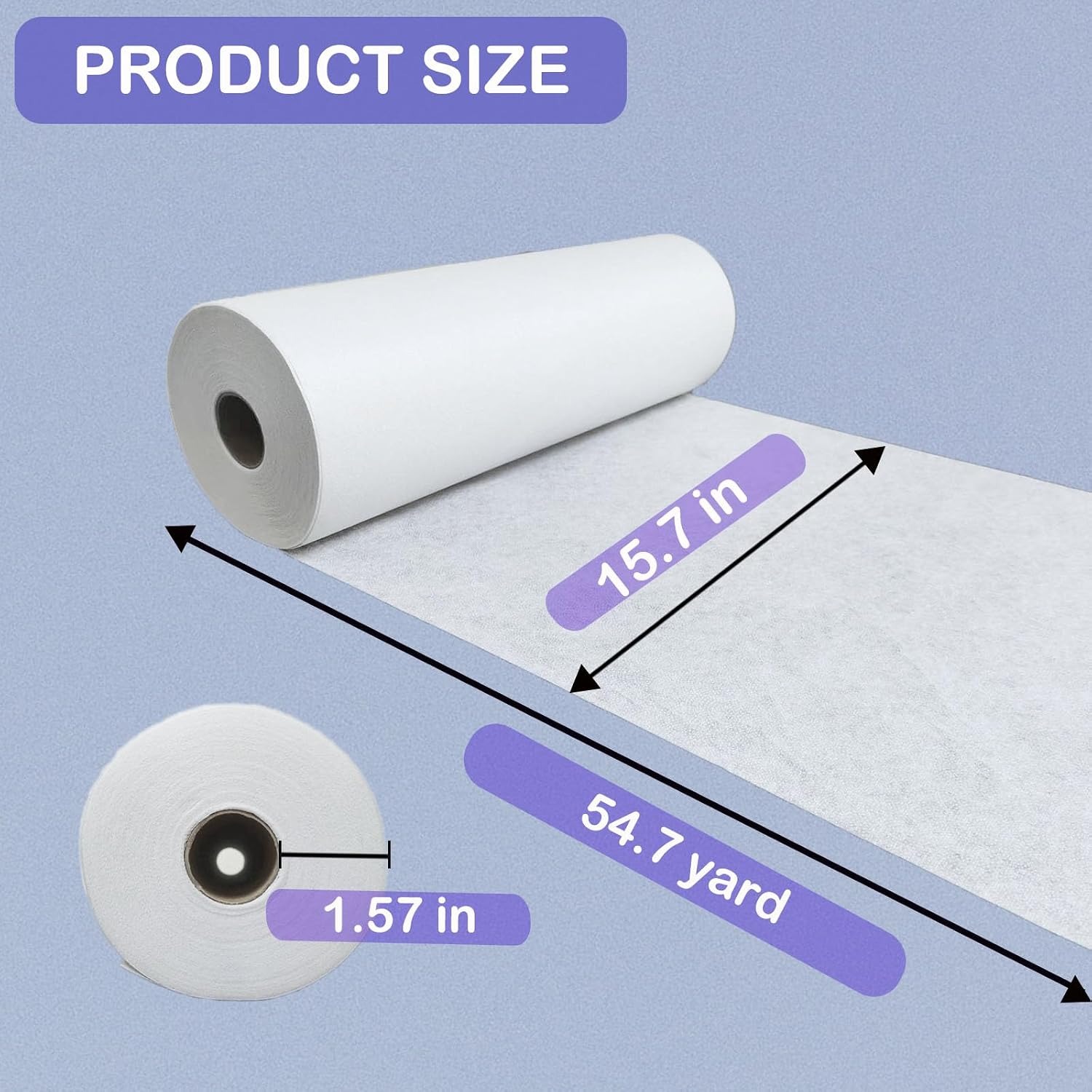
You receive one roll of white fusible interfacing measuring 40 cm (15.7 in) wide and 54.7 yards (50 m) long. You cut the pieces you need yourself. It is not sold as fabric cut to your chosen length.
That length gives you material to draw from across repeated sewing projects. The width deserves just as much attention, though. A long roll will not make a wide pattern piece fit across it. Lay out your largest interfacing pieces on a 40 cm-wide space before deciding whether this format suits your work.
The maker's description also gives product dimensions of 39.88 x 11.99 x 11.99 cm and an item weight of 930 g. Those figures are separate from the stated material width and length. The item weight does not tell you how many grams each square metre of interfacing weighs.
How the iron-on layer works
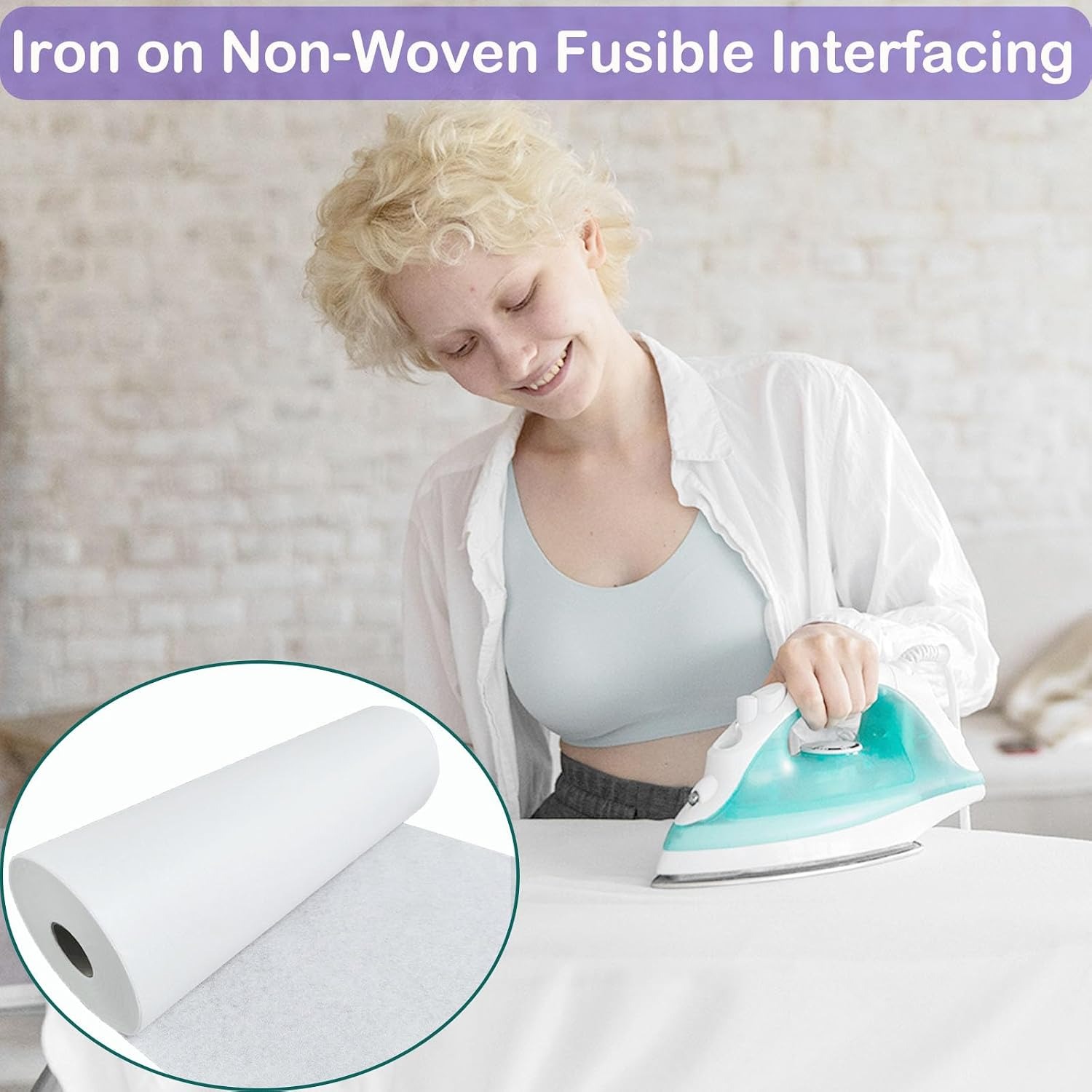
Fusible interfacing uses heat to attach a support layer to the reverse of a fabric. This product has PES adhesive on one side. The adhesive side has a rougher, textured feel, while the opposite side is smooth.
Place the adhesive against the wrong side of your fabric, then press from the smooth side. The maker gives a pressing time of 20 to 30 seconds. It does not give a numerical iron temperature or say whether steam is needed.
That missing information matters. Read any instructions that arrive with the roll and check your fabric's care guidance. Do not treat a general pressing time as proof that every fabric can withstand the same method.
Start with a sample, not a finished piece
A small test can save a carefully cut garment section. Use a scrap of the actual outer fabric, rather than a similar fabric from another project. Differences in finish, weave or thickness can change the result.
Cut a matching piece of interfacing and try the application method on that sample. Use a suitable pressing surface and keep adhesive away from the bare iron. Press with care rather than dragging the iron around and shifting the layers.
Let the sample cool flat before judging it. Then look at both sides. Check for puckering, visible adhesive marks or a change in colour. Feel the sample too. It should have the amount of support your project needs, not merely a bond that holds.
If the finished item will be washed, test the sample using the intended care method once you have checked any supplied care instructions.
Match the support to your pattern
A sewing pattern may call for lightweight fusible, woven, stretch or firm interfacing. Those terms are not interchangeable. Start with the pattern's recommendation and consider what the supported area is meant to do.
This soft fusible interfacing is a candidate when the instructions call for a light iron-on layer. It is not automatically suitable when the design needs a crisp, rigid panel or a thick layer of padding. Adding more layers without testing can also change the way a piece folds and sews.
If you are choosing dressmaking interfacing for a new pattern, test the smallest useful section first. A collar corner or pocket opening sample can tell you more than pressing a large piece and hoping it works. Judge the result against the design, not against a general idea that firmer must be better.
Collars, cuffs and pocket details
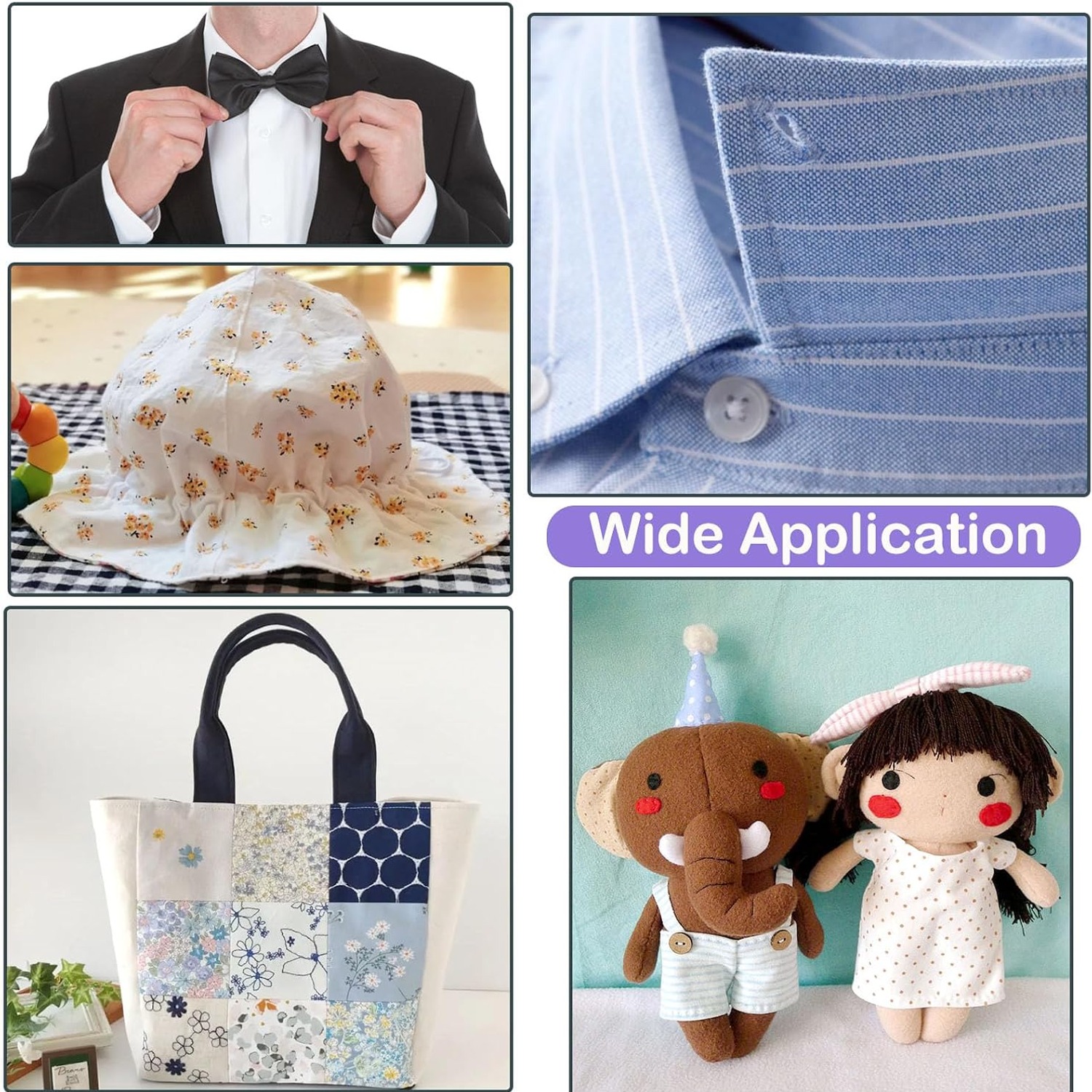
Collars and cuffs are listed applications for this roll. These parts often need a different feel from the body of a garment. A soft shirt fabric may drape nicely at the shoulder but need support where it folds around a neckline or wrist.
For collar interfacing, consider the shape you want after pressing and sewing. A relaxed collar and a sharply defined collar have different needs. This product's lightweight description is useful guidance, but it does not promise either finish on every fabric.
Cuff interfacing needs the same care. Test the fold and any layered sections so you can judge bulk as well as firmness. For pocket reinforcement, focus on the area your pattern marks for support. More coverage is not always necessary, especially when you want the surrounding fabric to keep its original drape.
Using it for bags and purses
The listed uses include handbags and purses. A lightweight layer may suit parts of an accessory where you want gentle support rather than a rigid shell. The right choice depends on both the outer fabric and the construction method.
Before selecting interfacing for handbags, look at the finished shape in your pattern. Does the bag need to stand upright on its own? Does the pattern call for a separate firm support? If so, do not assume a soft, thin product can do that job by itself.
For purse interfacing, make a sample with the layers your pattern actually uses. Include the lining if it affects the final feel. Bend the sample and examine the seams or folds. This gives you a more useful check than judging the interfacing alone straight from the roll.
What to check with knits and light fabrics
Jersey and knits appear in the suggested uses, but the maker does not give measured stretch or recovery figures. That means suitability needs to be checked on your own fabric. Fusing can change how a stretch fabric moves.
When testing interfacing for knits, compare the supported sample with an untreated scrap. See whether the part still stretches as much as the pattern needs. A stable detail can be helpful in one area and restrictive in another.
Light and sheer fabrics need a visual check as well. White interfacing may show through, even when the layer itself is thin. Look at the sample in daylight and under the lighting where the garment is likely to be worn. Pay attention to the edges, since a supported area may look different from the fabric beside it.
Plan your cutting before you start
Begin by identifying every pattern piece that needs interfacing. Note whether the instructions call for a full piece, a partial section or a particular seam allowance. Follow those directions rather than adding support to every part.
Next, arrange the pieces within the 40 cm width. Check the layout before cutting either material. This is especially useful for larger facings or accessory panels that might not fit in one piece.
Cut only when you are happy with the product choice and layout. The roll is supplied for you to cut at home, and the return terms require change-of-mind fabric to remain uncut and unused. Keeping the roll intact while you review the pattern avoids an unnecessary problem if the width or support level is wrong.
Care for the project and the remaining roll
The maker does not state washing temperatures, drying limits or dry-cleaning suitability in the maker's description. Avoid guessing based only on the outer fabric. A finished item includes both fabric and adhesive, so the care method needs to suit the whole piece.
Follow any instructions supplied with the interfacing and test care on a fused sample. Look for changes in shape, feel or adhesion before applying the same method to your finished work.
Store the unused roll somewhere clean and dry, away from direct sunlight and heat. Keep dust off the adhesive surface and avoid leaving it beside a hot iron. A protected roll is easier to bring back to the sewing table when the next project calls for a non-woven fabric stabiliser.
Check delivery and returns before ordering
For delivery in Canada, check the current estimate for your address. The maker does not state a handling or shipping lead time, so it would be unwise to plan a time-sensitive project around an assumed arrival date.
The return window is 14 days from delivery. For a change-of-mind return, the fabric must be unwashed, uncut, unused and in its original packaging, and the customer pays return postage. Check the roll and review your project needs before altering it.
If the goods are faulty or wrongly described, the store will put that right free of charge. Contact us with the issue rather than treating a fault as an ordinary change-of-mind return.
The short version
Choose this roll when you need lightweight iron-on fabric support and your pieces fit its 40 cm width. It provides one white roll, 54.7 yards (50 m) long, for you to cut as needed.
Let your pattern guide the choice. Test heat, appearance and finished feel on a scrap before working on the main pieces. A little preparation makes it much easier to decide whether this soft support layer belongs in your next project.