
The complete guide
A Practical Guide to Choosing White Cotton Fabric
A sewing project can stall over a simple choice: which plain fabric should sit beside the print, form the background, or become the first practice piece? White cotton fabric is worth considering when you want a solid surface without a printed design.
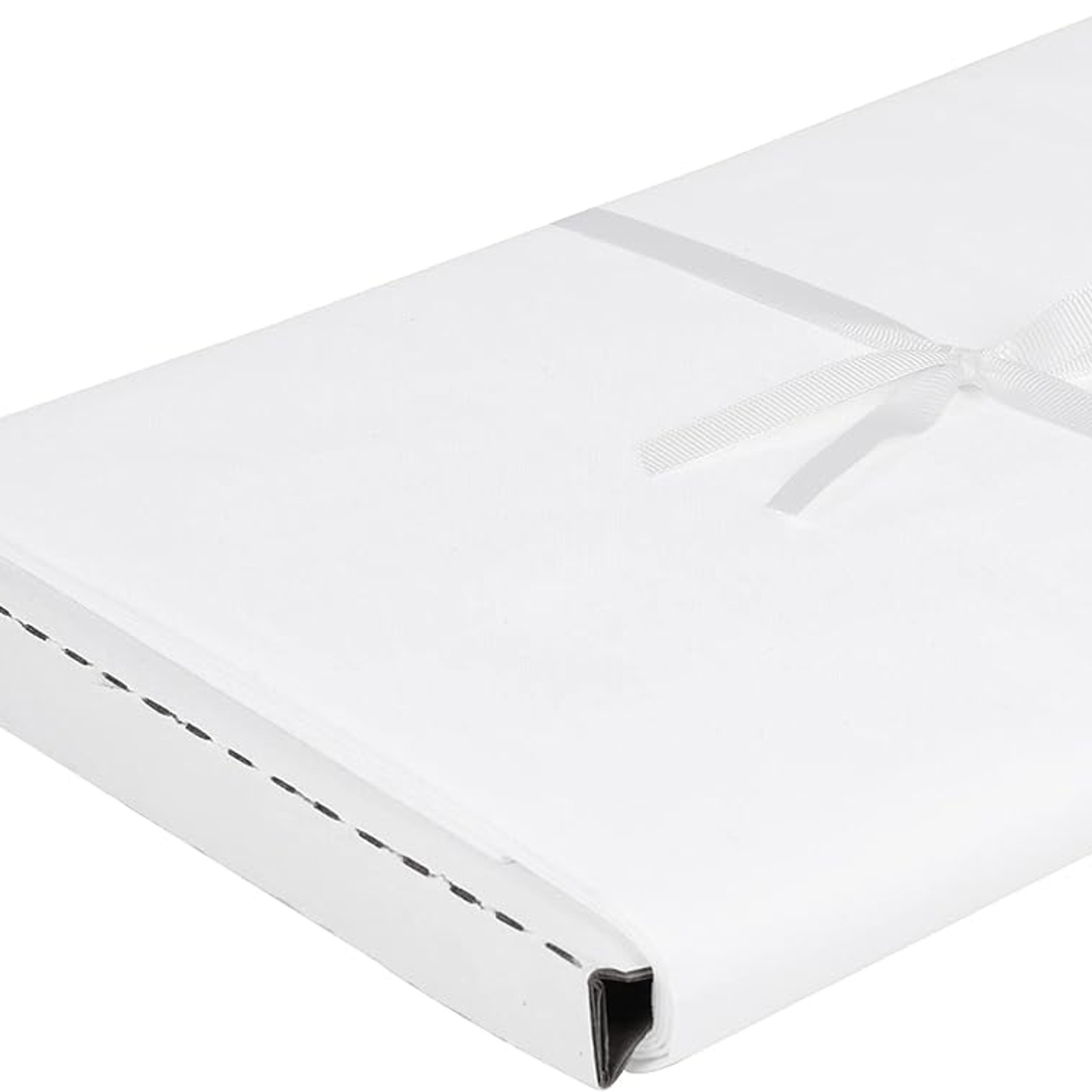
This piece gives you a clear starting quantity. You receive one length measuring 3 yards (2.74 m) long and 112 cm (44 in) wide. It is plain-weave cotton intended for sewing, quilting and craft work. The useful next step is to match those facts to your project, rather than assume one fabric will suit every pattern.
Start with the project you want to make
Before choosing cotton fabric for sewing, decide what the finished item needs to do. A quilt block has different needs from a fitted shirt. A decorative cushion cover may need a different finish from a small embroidered panel.
The product information suggests uses including quilts, apparel, bags and home decorations. Those are starting points, not a promise that every design in those groups will work. Your pattern remains the main guide.
Read its fabric suggestions and yardage table. Look for the required width, any need for stretch, and the expected drape. If your pattern calls for properties that are not stated by the maker, ask for more information before ordering.
A little checking now can prevent a larger mistake after cutting. This matters most when a project has long pieces, a close fit or very little spare fabric.
Understand what plain-weave cotton tells you
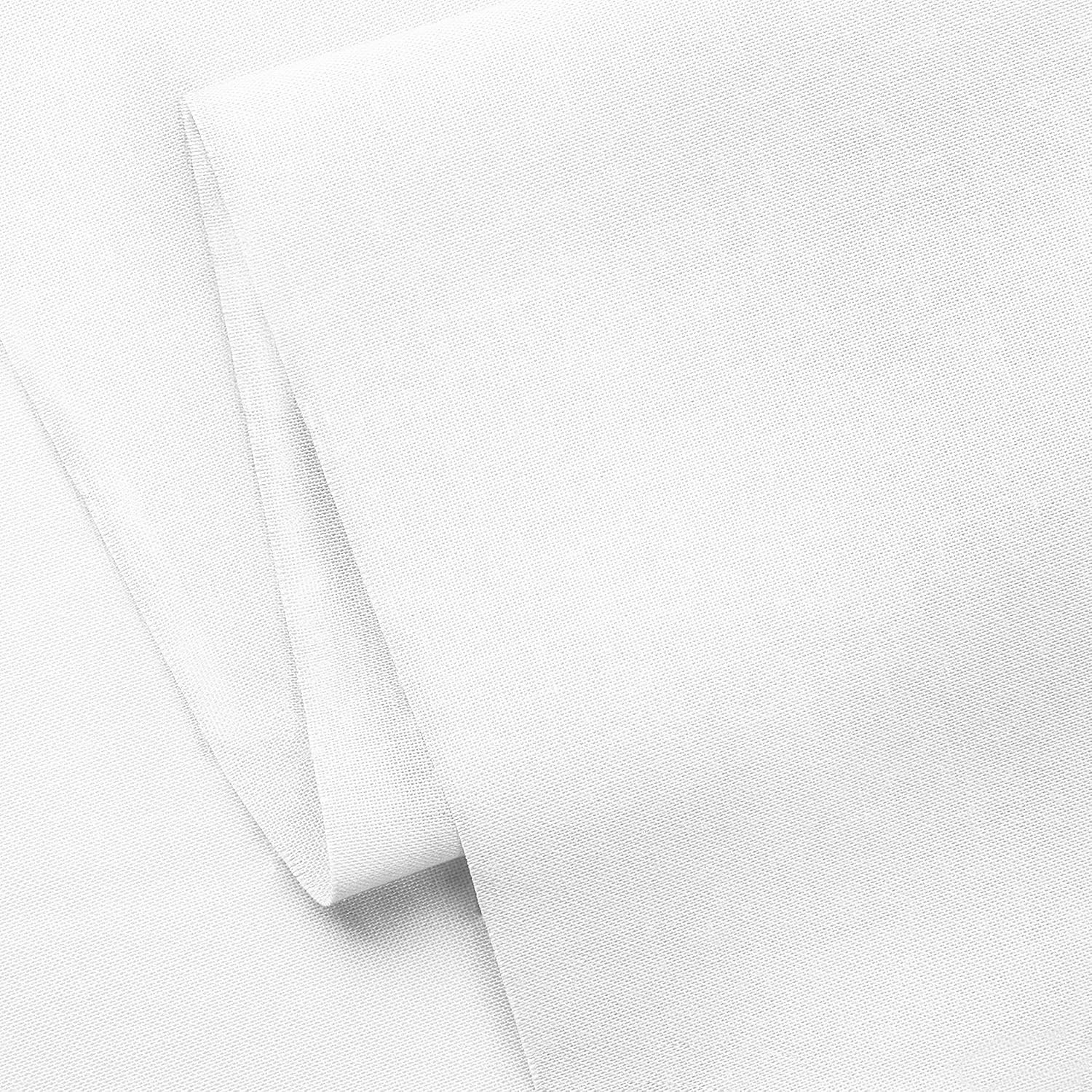
Plain weave describes the way the threads cross. In a basic plain weave, threads pass over and under one another. This tells you about the construction, but it does not tell you everything about the finished cloth.
It does not give a measured thickness, opacity or stretch percentage. Those details are not specified by the maker. Nor is there a fabric weight per square metre that you can compare with another cloth.
That distinction is useful when shopping for plain weave cotton fabric online. The listed item weight of 147 g is not a GSM rating. Do not use it to decide that the fabric will behave like another fabric with a similar-looking number.
Instead, choose by the facts you have and test the properties that matter to your design.
Check the length and width together
This is one fixed piece, not fabric cut to your chosen length. Its 3-yard length may be enough for several small items or part of a larger project, but the answer depends on your cutting plan.
Width matters just as much. Use 112 cm (44 in) when comparing the piece with a pattern's yardage table. A layout written for a wider fabric may need more length or may not fit as shown.
Lay out paper pattern pieces within a space matching the stated dimensions. Include seam allowances where your pattern requires them, along with hems, facings and other separate parts.
Do not count on using every last centimetre. Leave room for checking the edges, preparing the cloth and correcting a cutting error. If your layout is tight before you begin, consider whether another size of fabric would be a better choice.
Use white as a deliberate design choice
Solid white fabric can give the eye a quiet place to rest beside a busy print. In patchwork, it can separate blocks or make coloured shapes easier to read. It can also become the main surface of a project.
Think about the effect you want rather than choosing white only because it seems neutral. A large white border changes the look of a quilt differently from narrow white sashing. A white cushion cover will also show its seams and finishing details clearly.
The maker does not give a specific shade code. If you need an exact match to fabric you already own, do not assume all whites will match.
For a project built around one consistent white, work out the full fabric requirement before starting. That helps you plan without relying on a later piece being an exact visual match.
Plan quilting cuts before making the first strip
White quilting cotton can serve several roles in one quilt. The supplied uses include blocks, bindings, borders and sashing. Each role asks for a different cutting plan.
For blocks, count how many shapes you need and include seam allowances. For sashing, account for every strip between the blocks as well as any outer strips. For borders, check whether your design allows joins.
Binding has its own fabric allowance. Do not treat a few leftover strips as a sure supply until you have worked out the required total length.
Keep your cutting order simple. Cut the largest or longest required parts first, then use the remaining areas for smaller pieces. Drawing a rough layout on paper can help you see where offcuts will fall before you touch the scissors.
Consider clothing and lining with care
Apparel and lining appear in the suggested uses, but that does not settle whether this fabric suits your chosen garment. Clothing depends heavily on how fabric hangs, feels and covers what is underneath.
Opacity is not stated. Before using white cotton lining fabric or making an unlined garment, hold a sample over the intended backing. Check it in the light where the item is likely to be worn.
Stretch is also not specified. A pattern made for stretch fabric should not be treated as suitable without checking. Even a simple design can fit poorly if the cloth does not behave as the pattern expects.
For a fitted garment, make time for a sample seam and a fit check. The cost of a little testing is usually smaller than the work of replacing cut panels.
Match craft ideas to the fabric
The project suggestions include embroidery, dolls' costumes, bags and cushion covers. These offer different ways to use a single piece, especially if your plan includes several smaller items.
When choosing cotton fabric for embroidery, test the stitch density and tension on an offcut. Check whether your design needs added support. A light outline and a densely filled shape can place very different demands on the same base cloth.
For bags and covers, follow the pattern's advice about lining, closures and interfacing. The fabric alone does not determine how structured the finished item will feel.
Small projects are also a useful way to assess the cloth before attempting something larger. Keep a sample with notes about your stitch settings and any preparation you carried out.
Inspect before washing or cutting
Open the package and check the fabric before making changes to it. Confirm that it is the item you expected and inspect the piece for any concern you may need to raise with the store.
This is important because the return conditions require fabric to be unwashed, uncut and unused, with its original packaging. If you are unsure whether you want to keep it, pause before preparing a test sample.
Once you decide to keep the piece, test the things that matter to your project. That might include a sample seam, the look of a hem or how the fabric sits over another layer.
Keep the main piece intact until those checks are complete. A careful start gives you more choices than trying to solve a problem after every part has been cut.
Plan washing around the finished item
Machine washing is listed in the product details. Specific wash temperatures, drying settings and ironing temperatures are not given by the maker, so check any care label that arrives with the fabric.
A measured shrinkage percentage is not stated. If size matters to the finished project, test wash a small sample before preparing and cutting the full piece. This lets you make your own informed plan rather than rely on a guessed allowance.
Think about every material in the finished item, too. A quilt, lined bag or decorated cushion may combine cloth, thread and other parts with different care needs.
Store unused fabric clean and dry, away from direct sunlight. Keep useful offcuts together so you can use them for later stitch tests or small repairs.
Check delivery and returns before ordering
No delivery lead time is given in the maker's description. Check the delivery information for your address before placing an order, particularly if the fabric is needed for a class, gift or event.
The stated return period is 14 days from delivery. For a change-of-mind return, fabric must be unwashed, uncut, unused and in its original packaging. Return postage is paid by the customer.
Faulty or wrongly described goods are put right free of charge. If you notice a problem, contact us before washing or cutting the piece.
The short version
Choose this white cotton fabric when your plan calls for a solid, plain-weave cotton piece measuring 3 yards (2.74 m) by 112 cm (44 in). Quilting, sewing and craft projects are the listed uses.
Check the pattern, plan the cuts and inspect the cloth before changing it. Where opacity, stretch or shrinkage matters, test rather than guess. That approach gives your project a sound start.